
Reaching 77 can expose parts of retirement that looked distant at 60. Time feels more valuable, health problems carry greater consequences, familiar people begin disappearing, and independence can suddenly feel less permanent.
Those changes can make ordinary decisions feel heavier. Yet age 77 is not an expiration date, and the statistics tell a more useful story than that.
A 77-year-old American man has about 10.19 additional years of life on average according to the Social Security Administration’s 2023 period life table used in its 2026 Trustees Report.
Some will live much less and others considerably longer, which is exactly why the realities of life at 77 deserve preparation rather than panic.
1. Time No Longer Feels Unlimited

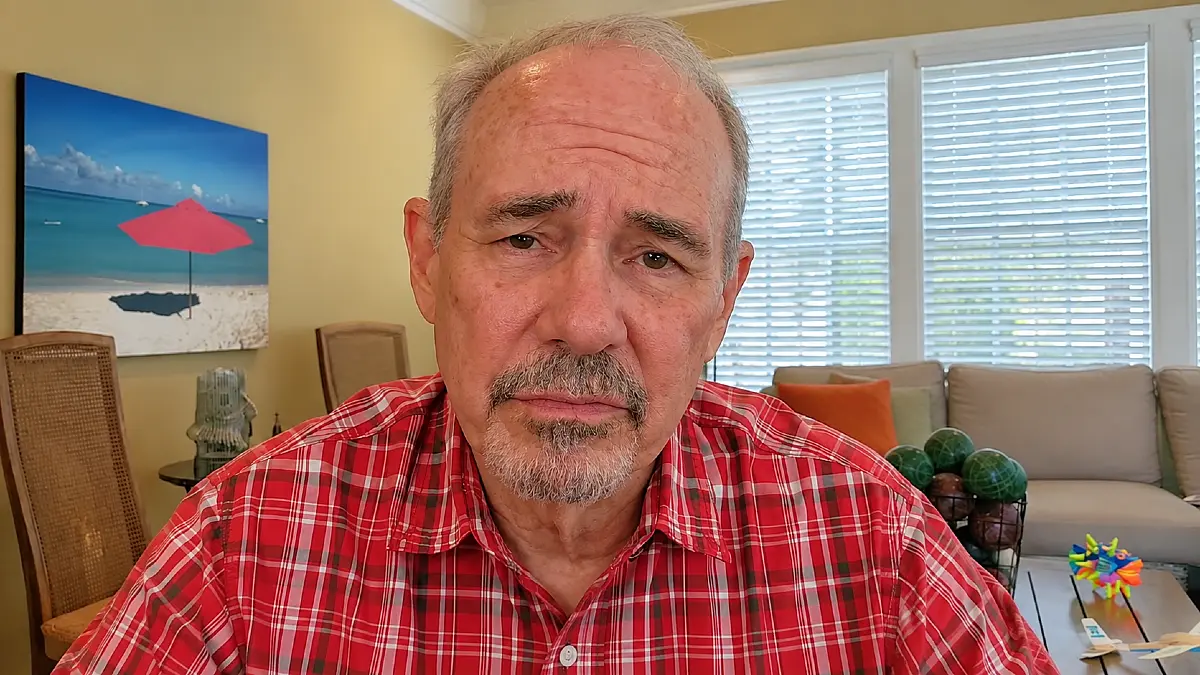
Robert, the 77-year-old retiree whose reflections inspired this article, described wondering whether an overseas vacation, a visit with his brother, or another major experience might quietly be the last time he does it. The uncomfortable part is not knowing which ordinary event will eventually deserve that label.
That does not mean a 77-year-old should assume death is close. In fact, using life expectancy at birth to predict the future of someone who has already survived to 77 produces the wrong impression.
The current Social Security actuarial table estimates another 10.19 years for the average 77-year-old man. That is an average, not a deadline, but it still changes the way a decade feels.
A useful snapshot shows how several numbers have already changed by this point in retirement.
| Item | Current Figure | Why It Matters |
|---|---|---|
| Average remaining life expectancy for a 77-year-old man | 10.19 years | Retirement may still need to fund a decade or much longer |
| 2026 Social Security COLA | 2.8% | Benefits received a cost-of-living increase in 2026 |
| 2026 standard Medicare Part B premium | $202.90/month | Healthcare remains a recurring retirement expense |
| 2026 Part B deductible | $283 | Medicare still involves out-of-pocket costs |
| General RMD starting age | 73 | Many 77-year-olds already face annual required withdrawals |
Sources: SSA, Medicare, and IRS.
The lesson is not that 77 is almost over. It is that postponing every meaningful experience for “someday” becomes harder to defend when remaining healthy years are unknowable.
2. Health Can Move to the Center of Daily Life

Robert describes medical appointments differently now. A test result appearing outside the normal range in an online portal can create anxiety before he has even spoken with his doctor.
That change makes sense because health influences almost every other retirement freedom. Traveling, driving, exercising, living independently, caring for a spouse, and simply getting out for lunch all become harder when mobility or stamina changes.
Money remains important, but a retirement portfolio cannot completely replace physical ability. By the late 70s, maintaining function may feel more valuable than owning another expensive item.
3. Two 77-Year-Old Men Can Live Completely Different Lives

Age becomes a poor description of ability in the late 70s. One man may still exercise, drive, travel internationally, manage his home, and have a packed social calendar, while another man of exactly the same age may require help with several parts of daily life.
Robert noticed the same widening difference among people around him. His transcript describes peers dealing with heart problems, back problems, mobility limitations, joint replacements, hearing changes, and other very different health situations.
That matters because statements such as “people are old at 77” are almost useless for individual planning. Functional ability, health conditions, social support, finances, housing, and access to care can matter far more than the number printed on a driver’s license.
4. One Fall Can Threaten More Than a Hip

Robert eventually gave away his tall ladder. He also became more cautious about walking in slippery conditions because a fall no longer looked like a temporary inconvenience.
That concern has strong evidence behind it. The CDC reported in September 2026 that more than 14 million adults 65 and older, roughly one in four, report falling each year, and falls remain the leading cause of injury for this age group.
The real fear is often not the fall itself. It is the chain reaction that can follow: hospitalization, reduced movement, fear of falling again, dependence on another person, or changes to where someone can safely live.
Avoiding all physical activity is not the answer because strength and balance also support independence. The smarter approach is removing needless risks while continuing safe movement appropriate for the individual.
5. Ordinary Memory Slips Can Suddenly Feel Frightening

Robert tells a revealing story about forgetting the name of a man he regularly saw at his gym. He knew the man’s name was Max, yet for a period his mind kept supplying a different name, and the experience frightened him.
Many older adults know that feeling. The National Institute on Aging says occasional forgetfulness can occur with normal aging, while more serious cognitive problems interfere with everyday abilities such as paying bills, driving, using the phone, or finding the way home.
The distinction matters because treating every forgotten word as dementia creates unnecessary fear. At the same time, assuming every major cognitive change is simply “getting old” can delay an appropriate medical evaluation.
Here is a simpler way to separate the two patterns.
| More Consistent With Normal Aging | More Concerning Change |
|---|---|
| Forgetting a name but remembering it later | Increasing difficulty following conversations |
| Missing a payment once | Repeated inability to manage bills |
| Forgetting the day and remembering later | Frequently losing track of dates or seasons |
| Occasionally misplacing something | Repeatedly losing items and being unable to retrace steps |
| Making one poor decision | Frequent major judgment problems |
The NIA emphasizes that dementia is not a normal part of aging. Any new memory or thinking problem that begins interfering with everyday life deserves medical attention.
6. Hearing Loss Can Quietly Push a Man Out of the Conversation
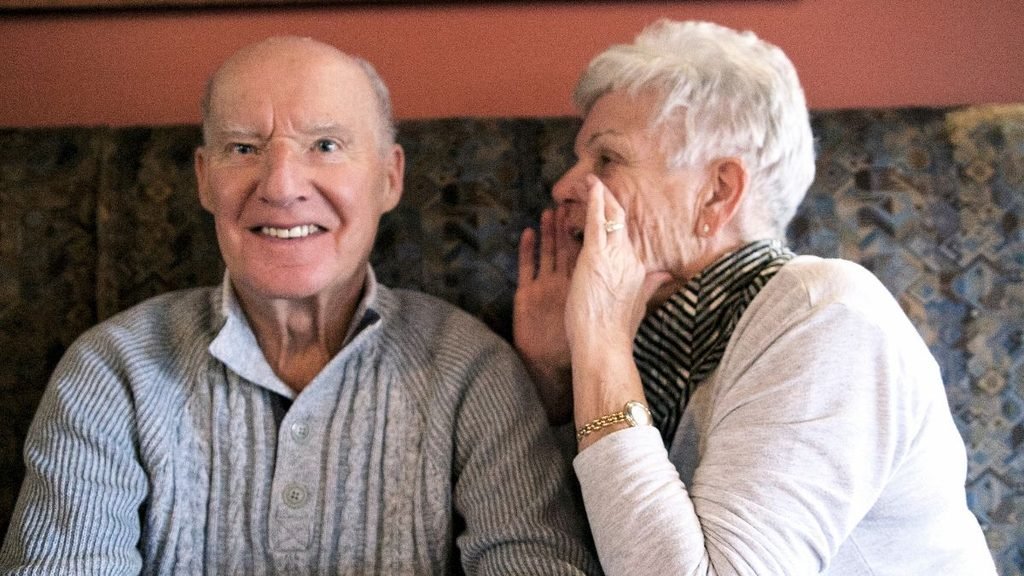
Hearing loss does more than make the television louder. Background noise can turn restaurants, family gatherings, club meetings, and group conversations into exhausting situations where following several voices becomes difficult.
The National Institute on Deafness and Other Communication Disorders reports that nearly half of adults older than 75 have difficulty hearing. Its broader statistics estimate disabling hearing loss in about 55% of people age 75 and older.
The social effect can be easy to miss. A man may seem quiet, distracted, or uninterested when he simply cannot clearly follow what everyone is saying.
Robert specifically noticed greater difficulty with background noise and rejected the idea that hearing aids should be avoided merely because they signal age.
7. Driving Freedom May Begin to Narrow
Driving represents more than transportation to many retirees. It means choosing when to visit a friend, buy groceries, attend an appointment, go to the gym, or leave town without asking anyone for help.
The National Institute on Aging notes that age-related changes involving vision, hearing, joint movement, muscle strength, medical conditions, and medications can affect driving ability. Night driving and glare can become especially difficult for some older drivers.
There is no single age at which everyone should stop driving. A better question is whether the person can still drive safely under the conditions he actually encounters.
These common changes show why protecting independence often means adapting before a crisis forces the decision.
| Independence Issue | Possible Effect | Practical Response |
|---|---|---|
| Reduced balance | Greater fall risk | Review fall hazards and strength/balance needs |
| Hearing difficulty | Missed warnings or conversations | Arrange a hearing evaluation |
| Night-vision problems | Less comfortable driving | Shift trips to daylight when practical |
| Medication side effects | Drowsiness or slower reactions | Review medicines with a clinician |
| Reduced mobility | Harder stairs or home tasks | Modify routines or the home before an emergency |
The goal is not to surrender independence early. It is to protect as much independence as possible by recognizing when the old way of doing something has become needlessly risky.
8. Friends Stop Being Permanent Parts of the Landscape

One of Robert’s hardest observations involved people around his retirement community dying. Couples who had once visited for dinner gradually disappeared from everyday neighborhood life.
That kind of loss changes the emotional experience of aging. Death is no longer mostly associated with grandparents or much older generations because the person who dies may now be a friend from school, a former colleague, a neighbor, or someone younger.
Grief also accumulates. Losing several people over a number of years can leave a social life much smaller even when no single dramatic event caused the change.
The difficult response is withdrawing because relationships feel temporary. The healthier practical response is often the opposite: make contact while the person is still here.
9. Losing a Spouse Becomes an Uncomfortable Possibility
Robert had been married for 52 years when he recorded his reflections. He said losing his wife frightened him more than many of the physical realities of aging because so much of everyday life had been shared for decades.
This is one of retirement’s hardest subjects because emotional and practical dependence can develop together. A spouse may also be the emergency contact, driver, cook, bill payer, travel companion, medication reminder, social connection, and person who knows what to do when something goes wrong.
Couples therefore benefit from knowing more than each other’s feelings. Each person should also understand essential accounts, household bills, insurance, medical information, passwords or access arrangements, and who should be contacted during an emergency.
Preparing for widowhood does not mean expecting it soon. It means recognizing that one partner will usually have to manage some period of life without the other.
10. Loneliness Can Develop Without Anyone Choosing It

Loneliness does not always begin with somebody deciding to isolate himself. Retirement ends workplace contact, friends move, spouses die, health problems interfere with activities, hearing becomes difficult, and nighttime driving may become less appealing.
Piece by piece, the calendar can become empty. The person may not notice how much his world has contracted until several normal weekly interactions are gone.
The National Institute on Aging emphasizes that loneliness and social isolation are not simply unavoidable parts of aging. Research has connected social isolation with important physical and mental health concerns, while staying socially involved remains one useful part of healthy aging.
That makes regular contact something worth planning rather than leaving to chance. A weekly breakfast, volunteer role, walking group, phone call, faith community, hobby group, or scheduled family visit may sound ordinary, but ordinary contact is exactly what can disappear.
11. Medicare Does Not Mean Every Later-Life Care Need Is Covered

By 77, Medicare has probably been part of retirement life for many years. That familiarity can create a dangerous assumption that if serious care is eventually needed, Medicare will automatically pay for it.
It does not. Medicare states clearly that it generally does not pay for long-term custodial care, including ongoing help with activities such as dressing, bathing, using the bathroom, transportation, and other non-medical support.
Original Medicare also has deductibles, coinsurance, and services it does not routinely cover. In 2026, the standard Part B premium is $202.90 per month and the Part B deductible is $283.
The difference between medical coverage and long-term support becomes especially important in the late 70s.
| Need | Original Medicare Position | Why Retirees Should Care |
|---|---|---|
| Doctor and many outpatient services | Part B generally helps cover eligible care | Premiums, deductible and coinsurance may apply |
| Eligible hospital treatment | Part A generally helps cover eligible care | Deductibles and cost sharing can apply |
| Short-term skilled nursing under qualifying conditions | Limited coverage may apply | It is not unlimited nursing-home coverage |
| Long-term custodial care | Generally not covered | Another funding or care plan may be needed |
| Routine hearing aids | Original Medicare generally does not cover them | Other coverage or personal funds may be needed |
Medicare Advantage, Medicaid eligibility, long-term-care insurance, veterans benefits, state programs, and personal resources can change an individual situation. The harsh reality is simply that having a Medicare card does not eliminate every later-life care cost.
12. Money Mistakes Become Harder to Recover From
At 37, an unexpected $15,000 expense can be painful, but a person may have decades of earnings ahead. At 77, returning to full-time work, rebuilding a portfolio after a major loss, or dramatically increasing future savings may be much harder.
That makes financial flexibility important even for retirees who feel comfortable today. Home repairs, help for a spouse, insurance costs, taxes, dental work, transportation, or uncovered care can arrive without respecting the monthly budget.
A 2025 Transamerica retirement study found that 53% of surveyed retirees relied on Social Security as their primary source of retirement income. The study also found wide differences in savings, reminding readers that there is no single financial picture for someone in his 70s.
Social Security benefits did receive a 2.8% COLA for 2026, but a COLA does not eliminate every household’s exposure to rising costs.
13. Retirement Accounts May Start Telling You When to Withdraw

By age 77, retirement-account rules may be controlling part of the tax calendar. Under current federal rules, owners of traditional IRAs and many retirement-plan accounts generally begin required minimum distributions at age 73.
Roth IRAs and designated Roth workplace accounts have different lifetime RMD treatment for their owners. Account type therefore matters, and inherited accounts have their own rules.
There is another age-related Social Security distinction worth knowing. Delayed retirement credits stop at age 70, so a 77-year-old does not earn additional delayed credits simply by continuing to postpone an unclaimed retirement benefit.
These rules show how retirement changes over time. Planning at 77 is not simply planning at 62 with older numbers.
14. Possessions Can Turn From Treasures Into Responsibilities

Robert says he became less interested in adding clothes, gadgets, and other possessions. Instead, he began thinking about what would eventually happen to collections and belongings he already owned.
That question can be surprisingly uncomfortable. A collection that brought decades of enjoyment may mean little to adult children who have different homes, tastes, storage space, or interests.
This does not mean everyone needs to empty the house. It means the owner may be in the best position to decide which objects deserve family, donation, sale, preservation, or disposal.
Making those decisions personally can be an act of control. Leaving thousands of decisions for a grieving family can turn treasured possessions into an unwanted job.
15. Retirement Status Can Fade, Leaving the Question of Purpose
Early retirement can feel busy because there are trips to take, projects to complete, homes to improve, and years of deferred plans waiting for attention. Later retirement may look different once some of those goals have already been completed.
A former title may also stop carrying much weight. Robert described caring less about competition, corporate status, larger houses, impressing people, and proving that he had achieved more than somebody else.
The difficult side of that freedom is the question, “What am I useful for now?” A man who once solved problems, managed people, built things, served customers, or supported a family may need new places for competence and responsibility to live.
Purpose does not need to mean starting another career. Helping family, mentoring, volunteering, learning, creating, exercising with friends, caring for a spouse, managing a community role, or simply being someone others can depend on can all provide structure.
16. End-of-Life Decisions Become Real Decisions

At 40, wills and advance directives can feel like paperwork for a distant future. At 77, avoiding the subject can leave people you love guessing during exactly the kind of emergency when clear thinking is hardest.
Robert discussed reviewing his will, thinking about an advance health care directive, choosing someone to speak for him, talking with family about his wishes, and considering funeral or cremation preferences.
The National Institute on Aging explains that advance care planning can include a living will and a durable power of attorney for health care. It recommends talking about preferences because family members do not always correctly predict the medical choices a loved one would want.
Planning does not mean giving up. It means making fewer high-pressure decisions somebody else’s problem.
Before waiting for a crisis, this simple checklist can expose the largest gaps.
| Priority | What to Review | Practical Next Step |
|---|---|---|
| Medical wishes | Advance directive | Review current state forms and discuss wishes |
| Decision maker | Health care proxy | Confirm the person still agrees to serve |
| Finances | Accounts, bills and beneficiaries | Make sure the right people can locate information |
| Independence | Falls, driving, home layout | Address problems before an emergency |
| Relationships | People who matter most | Schedule contact rather than assuming there is time later |
Documents also need periodic attention because families, addresses, health conditions, and preferences change. NIA recommends treating advance directives as living documents that can be reviewed and updated.
17. Being Right Starts Looking Less Valuable Than Peace
One of Robert’s most interesting observations has little to do with medicine or money. He noticed the temptation to become the older man who has “been there, done that” and responds to every younger person’s story with advice or a better story of his own.
Experience creates knowledge, but it does not make anyone right about everything. Robert described deliberately trying to argue less, resist the need to prove himself, and ask whether a disagreement was worth entering at all.
That may be one of the strangest harsh realities of reaching 77. A person can spend decades learning how to win arguments, earn status, accumulate possessions, and get ahead, only to discover that none of those victories can produce another healthy year or another dinner with someone who is gone.
Peace begins to compete with pride. At this age, peace may finally be the better bargain.

Denis Short is a Senior Living writer focused on helping older adults enjoy a safer, more comfortable, and more independent life. He covers aging at home, downsizing, home organization, everyday wellness, senior-friendly design, lifestyle choices, and practical ways to make daily routines easier.
Denis brings a warm, realistic perspective to later-life living, offering clear advice and useful ideas that help seniors and their families create homes, habits, and plans that support confidence, comfort, and independence.