


At 67, Jonathan thought dating after 60 would mostly mean learning a few apps. The bigger surprise was how much had changed around trust, money, privacy, and even the definition of a serious relationship.
Pew found only 14% of Americans in their 60s had ever used online dating, yet 47% of online daters 50+ said they had encountered someone they thought was trying to scam them.
After 41 years of marriage, those changes could make the first steps feel exciting and oddly procedural at the same time.
Jonathan is a composite widower, not a real interview subject; his 13 lessons below are built from current U.S. research rather than a fabricated personal story.
1. Dating Apps Were Not Nearly as Universal as Jonathan Expected

Modern dating can make it seem as though everyone meets by swiping. The numbers tell a more complicated story.
In Pew’s 2022 survey, 14% of Americans in their 60s said they had ever used a dating site or app. Among people in their 70s and older, the figure was 12%.
That mattered to Jonathan because it changed the problem. He did not need to become an expert app user before he was “ready” to date. Apps were one door alongside introductions from friends, social groups, volunteering, classes, community activities, faith communities, travel groups, and ordinary conversations.
There was also no shortage of adults living without a partner. Pew found 41% of Americans 65+ were not living with a spouse or unmarried partner in 2023, although that category includes people with many different relationship circumstances and preferences.
Dating After 60: Numbers at a Glance
| Measure | Verified figure | What it means |
|---|---|---|
| Adults in their 60s who had ever used online dating | 14% | Apps are an option, not the whole market |
| Adults 70+ who had ever used online dating | 12% | Plenty of peers have little app experience |
| Adults 65+ unpartnered in 2023 | 41% | Many older Americans are not living with a partner |
| Online daters 50+ who encountered a suspected scammer | 47% | Verification belongs in normal dating safety |
| 2025 FBI confidence/romance losses | $929.3 million | Financial exploitation can be severe |
| Survivor-benefit remarriage threshold | After 60 | Remarriage after 60 generally does not block eligible survivor benefits |
Sources: Pew, FBI IC3, SSA.
The table does not suggest that dating after 60 is unusually dangerous or that every unpartnered person wants a relationship. It shows something more useful: Jonathan was entering a large but highly varied dating population in which experience with technology, money, relationships, and independence differed enormously.
2. After 41 Years of Being Known, Introducing Himself Again Felt Strange

A long marriage creates shorthand. Someone knows which stories have already been told, which topics hurt, how holidays work, what silence means, and whether staying home on Friday night sounds wonderful or miserable.
A first date removes all that shared history. Jonathan had to explain things that had not required explanation for decades: how he liked spending weekends, whether he wanted to travel, what family commitments mattered, how social he wanted to be, and what kind of relationship he was actually seeking.
That is one reason current dating advice emphasizes defining intentions before creating a profile or accepting dates. AARP’s 2026 guide recommends thinking through priorities, relationship goals, family responsibilities, and nonnegotiables before trying to evaluate another person.
For Jonathan, the useful exercise was not writing a wish list for the perfect woman. It was answering three simpler questions: Did he want companionship or eventual marriage? How much of his existing life did he want to preserve? What would make a relationship feel better rather than simply busier?
3. A Dating Profile Could Reveal More Than He Realized

Jonathan initially thought a detailed profile would prove he was genuine. There is a line, however, between being open and handing a stranger a map of someone’s life.
A profile does not need a home address to reveal where someone lives. Photos can expose a house number, workplace, favorite club, vehicle plate, regular walking route, grandchildren’s school, vacation schedule, or the fact that someone lives alone.
The FBI specifically warns that scammers can use information posted publicly on dating and social-media profiles to understand and target a person. It recommends checking photos and profiles, going slowly, and being careful with personal information.
FTC reporting adds another reason for restraint. Nearly 60% of people who reported losing money to a romance scam in 2025 and identified how contact began said it started on social media, where public posts can help scammers tailor a convincing approach.
Jonathan did not need to become secretive. He simply needed to reveal personal information in stages, as trust was earned.
4. A First Date Needed a Small Safety Plan

Forty years earlier, Jonathan might have simply agreed on a restaurant and shown up. An online introduction creates one additional question: Is the person behind the profile actually the person arriving at dinner?
A short video conversation before meeting can remove some uncertainty, although it cannot prove someone’s honesty. Repeated refusal to video chat or meet face to face is one warning sign cited in current romance-scam guidance.
For an initial in-person meeting, FBI guidance recommends a public location and telling someone where the meeting will occur and when the person expects to return. That is sensible dating hygiene at any adult age, not an admission that someone cannot look after themselves.
First-Meeting Options
| Option | Useful when | Main caution |
|---|---|---|
| Short video call | Confirming basic identity and conversation flow | Video alone does not prove honesty |
| Coffee | Keeping the first meeting brief | Meet in a public location |
| Lunch | Wanting more conversation without committing an evening | Decide transportation beforehand |
| Museum or busy public attraction | Conversation flows better during an activity | Keep the first meeting easy to end |
| Dinner | Both already feel comfortable | Greater time and spending commitment |
A safe first meeting does not have to feel like airport security. Jonathan could keep it simple: public place, someone knows where he is, no home pickup, and an easy way to leave if the conversation feels wrong.
That structure can actually make the date feel less stressful. Once the practical details are settled, more attention can go to the person across the table.
5. A Romance Scam Might Look Patient and Caring
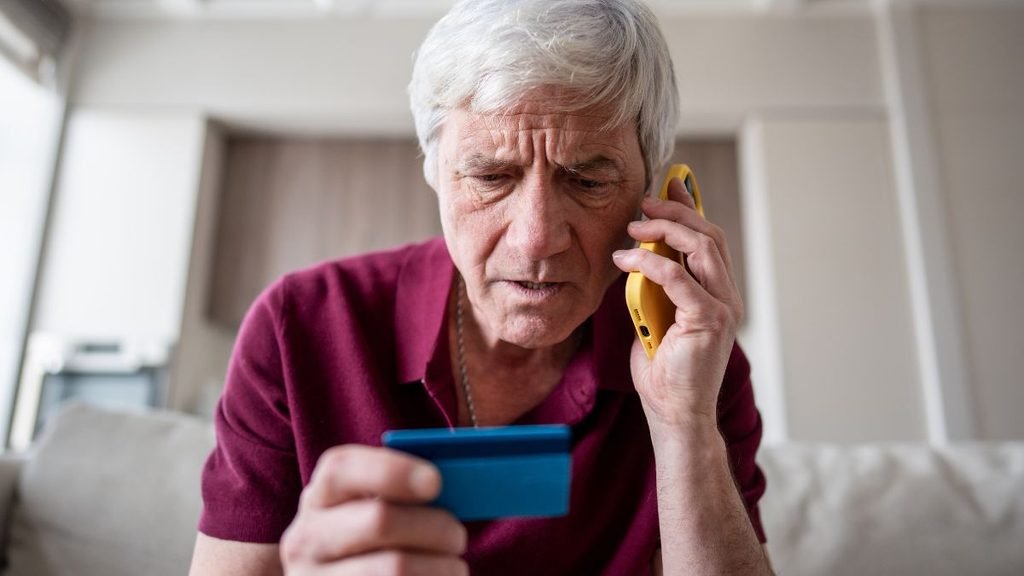
Jonathan’s mental picture of a scam was an obvious request for a gift card from someone using broken English. Modern romance fraud can be far more patient.
The FBI says perpetrators may build trust and emotional connection before inventing emergencies, financial problems, investment opportunities, or other reasons money must move. In 2025, reported U.S. losses in the FBI’s confidence/romance category reached about $929.3 million across all age groups.
Pew found that 47% of online daters age 50+ said they had encountered someone they thought was trying to scam them. That does not mean nearly half lost money; it means suspicious encounters are common enough that checking someone’s story should not feel rude or paranoid.
Romance Scam Warning Signs
| What happens | Why it matters | Practical response |
|---|---|---|
| They quickly push conversation off the dating platform | It removes some platform safeguards | Slow the pace |
| They repeatedly cannot meet | Fake identities often depend on distance | Verify before investing emotionally |
| Their photos appear under another name | Image theft is common in fake profiles | Stop and investigate |
| They ask for money, gifts or cryptocurrency | This is a major fraud warning | Do not send it |
| They offer investment help | Romance and investment fraud can overlap | Keep dating and investing separate |
| They want bank information or access | Accounts may be used for theft or laundering | Do not provide it |
| They discourage contact with friends or family | Isolation makes outside checks harder | Speak with someone trusted |
FTC and FBI guidance is unusually direct: do not send money or gifts to an online love interest who has not been met in person, and be skeptical when romance suddenly turns into investment advice.
The lesson is not that strangers cannot be trusted. It is that trust should accumulate through consistent behavior rather than romantic intensity.
6. Money Questions Arrived Earlier Than Jonathan Expected

By 67, two people can arrive at the same restaurant with completely different financial lives. One may own a paid-off home and have a pension; another may rent, support family members, carry debt, or still be working.
That does not make either person unsuitable. It does mean money can become a compatibility issue earlier than it did when both people were 25 and building their finances from scratch.
Jonathan did not need someone’s brokerage statement on the third date. He did need to notice lifestyle expectations. Would every weekend involve an expensive restaurant? Was frequent travel assumed? Did one person want to split expenses while another expected traditional roles?
AARP’s 2025 and 2026 money guidance for older daters emphasizes discussing spending expectations and, as a relationship becomes serious, being clearer about assets, debts, retirement plans, and financial responsibilities.
There is an important boundary here. Curiosity about someone’s financial values can be reasonable; requests for account numbers, transfers, investment access, passwords, or loans are different matters entirely.
7. Dating Could Become a Retirement Expense Without Feeling Like One

One dinner rarely threatens a retirement plan. Repeated discretionary spending can still become surprisingly large when annualized.
AARP’s 2026 dating-money guidance suggests setting a dating fund or monthly allowance. That turns an emotionally charged expense into an ordinary budget category.
Consider several illustrative budgets, not estimates of what dates supposedly cost nationally:
What a Dating Budget Becomes in a Year
| Monthly amount chosen | Annual cost | Five-year total if unchanged |
|---|---|---|
| $100 | $1,200 | $6,000 |
| $200 | $2,400 | $12,000 |
| $300 | $3,600 | $18,000 |
| $500 | $6,000 | $30,000 |
The math is simply monthly spending × 12, then × 5. Actual spending can be far lower or higher depending on where someone lives and whether dates involve walks and coffee or restaurants, concerts, flights, and hotels.
Jonathan therefore did not need to become cheap. He needed to decide what amount could be spent freely without borrowing, disrupting retirement savings, or creating resentment when another person preferred a more expensive lifestyle.
8. Caring About Someone New Did Not Require Erasing His Marriage

One of Jonathan’s stranger discoveries was that the old relationship and the new one did not occupy the same space. Forty-one years of marriage remained part of his biography whether he dated again or not.
The more useful question was not whether enough grief had disappeared. It was whether he could meet someone without expecting that person to duplicate his spouse or function mainly as relief from being alone.
Current AARP guidance for people returning after widowhood or divorce emphasizes readiness rather than a fixed timetable. It also encourages clarity about what kind of relationship someone actually wants now.
That distinction can prevent two opposite mistakes. Someone need not wait until every memory stops hurting, but neither must dating become a deadline imposed by friends who think it is “time.”
9. Adult Children Could Have Feelings Without Having the Final Say

A new relationship can change family routines even when nobody moves or marries. Adult children may wonder whether a parent is safe, whether money is involved, whether holidays will change, or whether a deceased parent’s place in the family is somehow being rewritten.
Those feelings deserve a hearing, but concern is not the same thing as authority. Jonathan remained the person choosing whom he dated and when a relationship became serious.
AARP’s 2026 guide recommends taking time before introducing every date to children or grandchildren and discussing family expectations once a relationship becomes important. It also stresses maintaining independence rather than immediately merging social circles, homes, or finances.
Jonathan could therefore share information without submitting the relationship for approval. A useful boundary was to welcome specific concerns about behavior while resisting blanket judgments based simply on the fact that he was dating again.
10. Compatibility at 67 Was Often About Tuesday Morning, Not Saturday Night
Attraction mattered. So did ordinary life.
Jonathan had an established home, preferred sleeping schedule, travel habits, friendships, family obligations, medical appointments, favorite routines, and ideas about retirement. A potential partner brought another complete life rather than an empty calendar waiting to merge with his.
Questions that seemed unromantic could therefore be highly revealing. How often did each person want to travel? Did either provide regular care for a family member? Did one expect eventually to relocate? Were pets welcome? Was one happiest attending events four nights a week while the other prized quiet evenings?
None of those differences automatically ended a relationship. The surprise was how much compatibility depended on whether two already-built lives could fit together without one person dismantling theirs.
11. Physical Intimacy Still Required Current Health Conversations

Jonathan had spent decades in a monogamous marriage, so discussing condoms, testing, medications, or sexual history could feel like returning to a conversation from another lifetime. Biology, however, does not give sexually active adults an age exemption.
The National Institute on Aging states that older adults who are sexually active can still acquire infections including syphilis, gonorrhea, chlamydia, herpes, hepatitis B, and HIV. NIA recommends barrier protection and discussing appropriate testing and prevention with a healthcare provider.
Physical changes can also affect intimacy in many different ways, and health conditions or medications may matter. That is a healthcare conversation rather than something a dating partner should diagnose or prescribe around.
For Jonathan, maturity did not mean avoiding awkward conversations. It meant being able to have them without treating intimacy or health as embarrassing.
12. Dating, Living Together, and Marrying Were Three Separate Decisions

After a long marriage, Jonathan initially assumed that a successful new relationship would eventually follow the familiar path: date, marry, combine households.
It did not have to.
Some couples keep separate homes. Others share substantial parts of their lives without combining finances. Some eventually marry. AARP’s current dating guide specifically discusses later-life relationships that preserve separate households and greater financial independence.
For a widowed person, marriage can also raise benefit questions. Current SSA guidance says an eligible surviving spouse who remarries after age 60 can generally continue receiving survivor benefits based on the deceased spouse’s record.
Different rules can apply to SSI, divorced-spouse benefits, pensions, taxes, estate plans, and other circumstances.
Before Dating Turns Into Cohabitation or Marriage
| Decision | Questions worth answering first | Who may need to help |
|---|---|---|
| Continue dating separately | Are spending and travel expectations comfortable? | Usually the couple |
| Spend much more time together | How will household costs and personal space work? | Couple; financial adviser if needed |
| Move into one home | Who pays which expenses? What happens to the other home? | Financial and legal professionals |
| Combine accounts or property | Is either person assuming debt or financial obligations? | Attorney/financial professional |
| Marry | Could benefits, taxes, pensions, estate plans or beneficiaries change? | SSA plus qualified tax/legal advisers |
Dating itself is an emotional decision. Combining property, accounts, beneficiary plans, or legal status can be a financial and legal decision as well.
Jonathan’s best protection was not automatically keeping everything separate forever. It was refusing to let romance make those decisions by accident.
13. A Serious Relationship Did Not Have to Become Marriage Number Two

This may have been Jonathan’s biggest surprise. Success did not have to mean building another version of the life he had from age 26 onward.
At 67, preserving a home, friendships, routines, financial independence, or time alone could be part of a healthy relationship rather than evidence that it lacked commitment.
AARP’s current guidance explicitly encourages older daters to think beyond traditional relationship structures if that better fits the lives they have already built.
That freed Jonathan from evaluating every date as a potential replacement spouse. A person might become a dinner companion, travel partner, committed partner, spouse, or simply someone enjoyable who ultimately was not a match.
Dating became easier once it stopped being an audition for a predetermined ending. The question changed from “Could this become another 41-year marriage?” to “Does this relationship make both lives better without requiring either person to disappear into it?”

Denis Short is a Senior Living writer focused on helping older adults enjoy a safer, more comfortable, and more independent life. He covers aging at home, downsizing, home organization, everyday wellness, senior-friendly design, lifestyle choices, and practical ways to make daily routines easier.
Denis brings a warm, realistic perspective to later-life living, offering clear advice and useful ideas that help seniors and their families create homes, habits, and plans that support confidence, comfort, and independence.