


Retirees often spend decades being told to save, then feel guilty the moment they start using the money. That can lead to a strange outcome: healthy years pass while travel, hobbies, family visits, and home projects stay postponed.
Yet spending everything early is no solution either, because housing, health care, and long term care can still demand cash later. Research on retirement spending by age shows a useful middle path.
Many households spend more in their 60s and early 70s, then less on several categories as they age. The goal is to spend with purpose now while protecting tomorrow too.
Retirement Spending Usually Falls With Age, but Not in a Straight Line

A retirement budget does not have to stay exactly the same from age 62 to age 92. Real households rarely spend that way.
J.P. Morgan Asset Management’s 2026 Guide to Retirement found that average spending among fully retired households generally declines from the early retirement years and then becomes flatter at older ages. Its research is based partly on deidentified Chase household transaction data.
Researchers have seen a similar pattern elsewhere. David Blanchett’s retirement research found that inflation adjusted spending tends to fall through much of retirement, although health related costs can cause spending to rise or decline more slowly at advanced ages. The pattern is often called the retirement spending smile.
The reason is fairly practical. A newly retired household may suddenly have time for trips, restaurants, hobbies, grandchildren, home projects, and activities that were difficult to fit around work.
Ten or twenty years later, the same household may travel less, drive fewer miles, buy fewer clothes, and spend less on entertainment. That does not mean life has become worse. The mix of activities and expenses has simply changed.
The useful lesson is not that everyone should spend heavily at 62 and become frugal at 82. It is that forcing yourself to maintain the same inflation adjusted lifestyle budget for every future year may not reflect how you will actually live.
What Retirees Actually Spend as They Get Older

The latest detailed Bureau of Labor Statistics Consumer Expenditure tables currently cover 2024. They show clear differences between households headed by adults in their late working years, younger retirement years, and later retirement years.
BLS notes that these figures describe consumer units, which can include individuals or households making financial decisions together.
Here are six major spending categories from those 2024 figures:
| Expense | Ages 55 to 64 | Ages 65 to 74 | Ages 75+ |
|---|---|---|---|
| Food | $10,214 | $8,483 | $7,168 |
| Housing | $27,019 | $22,329 | $21,999 |
| Apparel and services | $2,032 | $1,377 | $942 |
| Transportation | $15,085 | $11,414 | $6,855 |
| Health care | $6,711 | $7,715 | $7,918 |
| Entertainment | $3,706 | $3,122 | $2,888 |
| Total for these categories | $64,767 | $54,440 | $47,770 |
These are household averages, not a recommended retirement budget. They also cover selected major categories rather than every dollar a household spends. Still, the direction is useful.
Transportation shows one of the sharpest changes. Average spending drops from $11,414 for households ages 65 to 74 to $6,855 for those 75 and older. Food, clothing, and entertainment also decline.
Health care moves the other way. Average health spending rises from $6,711 for ages 55 to 64 to $7,918 among households headed by someone 75 or older.
EBRI research using the Health and Retirement Study has found similar broad patterns. Older households generally spent less on food, transportation, clothing, and entertainment, while health care took a larger share of household budgets as age increased.
These numbers help explain why spending more during your healthier 60s can make sense for some retirees. Your biggest opportunity for discretionary spending may arrive before your lowest spending years.
Why Your 60s Can Be the Best Years for Optional Spending

Money has different value at different stages of retirement.
A $5,000 travel budget at 64 may pay for a trip that involves long flights, walking through cities, visiting national parks, or spending two weeks with distant family. The same $5,000 at 84 may still be useful, but your priorities could be very different.
That is why some retirement planners distinguish between active early retirement, quieter middle years, and later years when spending becomes more focused on housing, convenience, and care.
This does not mean there is an expiration date on travel or adventure. Plenty of people remain active well into their 70s, 80s, and beyond. The point is simply that certain experiences depend on time, energy, health, or other people being available.
Early retirement spending can make particular sense for:
- Visiting relatives who live far away
- Longer trips that require substantial walking
- Hobbies that require physical activity
- Classes, clubs, and recreation
- Home improvements that improve daily life
- Family gatherings and shared experiences
- Buying equipment you expect to use for many years
There is another reason to think this way. Some retirees remain stuck in accumulation mode after work ends.
AARP noted in July 2026 that many retirees find the psychological shift from saving to spending surprisingly difficult. People who spent decades watching balances grow may feel that any withdrawal means something has gone wrong.
Saving is supposed to support retirement. Once a sound financial plan has protected the future, refusing to use any discretionary money can defeat part of the reason it was saved.
Your 80s May Cost Less, but They Are Not Risk Free

Lower average spending at older ages should never be interpreted as proof that your 80s will be inexpensive.
One reason is longevity. Social Security’s 2022 period life table showed average remaining life expectancy at age 65 of about 17.5 years for men and 20.1 years for women. Those are population averages rather than individual forecasts, and plenty of people live longer.
A person retiring around 65 therefore needs to prepare for the possibility of supporting decades of expenses.
Health costs also deserve separate treatment from vacations and restaurant spending. For 2026, the standard Medicare Part B premium is $202.90 per month, with a $283 annual Part B deductible. Higher income beneficiaries can pay larger premiums.
More important, Medicare does not generally pay for long term custodial care when that is the only care a person needs. That can include ongoing help with dressing, bathing, eating, and other daily activities.
That distinction matters when thinking about the phrase “spend freely.”
It should mean giving yourself reasonable permission to use money assigned to discretionary living. It should not mean treating every dollar in an IRA, 401(k), brokerage account, or savings account as available for vacations.
A useful retirement plan protects later life before deciding how much can safely be used earlier.
Give Retirement Money Three Different Jobs
One way to remove some of the anxiety is to stop treating every retirement dollar as if it has the same purpose.
Separate your plan into three broad jobs.
| Money’s job | What it may cover | How to treat it |
|---|---|---|
| Essential living | Housing, utilities, groceries, basic transportation, insurance, taxes | Protect first |
| Flexible living | Travel, restaurants, hobbies, entertainment, gifts, upgrades | Can rise or fall with circumstances |
| Future protection | Emergencies, major repairs, health costs, possible care needs | Keep available for later risks |
Essential spending deserves the strongest protection because you cannot easily cancel it during a difficult year.
Flexible spending is different. If markets fall, a large home repair appears, or your income changes, you can delay a cruise, buy a less expensive vehicle, or reduce restaurant spending.
Future protection is the money that prevents a pleasant early retirement from creating financial pressure later.
The exact amount in each category will differ from household to household. Someone with a pension covering most essential expenses is in a different position from someone who depends heavily on portfolio withdrawals.
Housing also changes the picture. A household with a paid off home may have lower monthly housing costs, but property taxes, insurance, maintenance, utilities, and major repairs still continue.
Your plan should therefore start with your own fixed obligations rather than an average retirement spending number from a national survey.
Once essential expenses and reasonable reserves are protected, the flexible category becomes easier to use without guilt.
Which Expenses Make Sense to Spend Earlier?
The best candidates for earlier spending are often expenses whose usefulness depends on your active years.
A home improvement that makes the house more comfortable for the next 15 years may deliver more value at 63 than at 83. A long planned family trip may also be more meaningful while everyone can participate.
Other costs need continuing protection.
| Expense | Earlier spending may make sense when | Why money may still be needed later |
|---|---|---|
| Travel | Health, energy, and budget are strong | Travel may become simpler but does not have to stop |
| Hobbies | Equipment will be used for years | Interests can change |
| Home improvements | They improve comfort, safety, or use of the home | Repairs and maintenance continue |
| Family experiences | Timing matters for children and grandchildren | Family support needs can continue |
| Vehicle upgrades | A reliable vehicle improves daily life | Transportation needs may change |
| Housing | Paying for useful improvements may reduce future hassle | Taxes, insurance, utilities, and repairs remain |
| Health care | Preventive and covered services remain part of the budget | Spending commonly rises with age |
| Long term care | Usually not an early retirement expense | Potential future costs can be substantial |
This is also where spending on experiences and spending on possessions can feel different.
An expensive purchase that produces years of storage fees, maintenance, insurance, or repairs can quietly increase fixed expenses. A one time trip may cost more upfront but create no ongoing bill.
That does not make experiences automatically better. It simply means the future cost of a purchase matters as much as today’s price.
Use Spending Guardrails Instead of One Fixed Number
A retirement budget works better when it can move.
J.P. Morgan’s 2026 retirement research found that spending volatility is common. About six in ten new retirees in its dataset experienced spending changes of more than 20 percent during their first three retirement years, and substantial year to year variation continued among older retirees.
Real retirement includes new roofs, vehicle replacements, weddings, dental work, trips, home renovations, family help, and quiet years when almost nothing unusual happens.
A rigid monthly target can make those normal variations look like failure.
A better approach is to set guardrails around flexible spending. At least once a year, review:
- Your essential annual expenses
- Reliable income such as Social Security and pensions
- Cash available for emergencies
- Upcoming large purchases
- Health insurance and expected medical costs
- Housing plans
- Investment withdrawals
- Taxes created by withdrawals
- Flexible spending for the next year
If the plan remains comfortably funded, you can decide whether some unused capacity should go toward travel, hobbies, family, or another priority.
If finances have weakened, flexible spending is the first place to adjust.
This is very different from automatically increasing every expense by inflation each year. Your grocery bill may rise with prices while your driving, clothing, or travel expenses fall because your habits have changed.
Tax rules can also affect when retirement money comes out of accounts. Under current IRS rules, required minimum distributions generally begin at age 73 for people subject to the current starting age, although rules differ by account and employment situation. An RMD requires money to leave the retirement account, but it does not require you to spend that money.
For decisions involving taxes, account withdrawals, or investment allocations, consider getting advice based on your actual accounts and tax situation.
When Spending More Now Is a Bad Idea
Front loading some discretionary retirement spending works only when the rest of the financial plan can support it.
Before significantly increasing spending, run through this checklist.
| Check | A stronger position looks like | Reason for caution |
|---|---|---|
| Essential expenses | Reliable income covers much or most of them | Large annual gap must come from savings |
| Emergency cash | Several unexpected bills could be handled | One repair would require high interest debt |
| Debt | Payments are manageable | Credit card or other costly debt is growing |
| Housing | Costs and major repairs are understood | Large repairs or a move are approaching |
| Health coverage | Premiums and likely out of pocket costs are budgeted | Coverage costs are uncertain |
| Later life plan | Some provision exists for possible care needs | Plan assumes Medicare pays all long term care |
| Flexible spending | Can be reduced during a bad year | Lifestyle creates permanent fixed costs |
Debt deserves special attention. EBRI’s 2024 Spending in Retirement Survey found that among retirees who reported debt, 68 percent had outstanding credit card debt. The study surveyed about 3,600 U.S. retirees ages 62 to 75.
Spending more on optional purchases while expensive debt is increasing is very different from deliberately using money that your retirement plan shows is available.
The same caution applies if the plan works only when investments earn strong returns every year. Markets do not cooperate with a retirement calendar.
Give Yourself Permission to Use the Money You Planned For

Some retirees have the opposite problem from overspending. They continue saving psychologically even after they have stopped accumulating financially.
Every restaurant meal feels wasteful. Every vacation becomes something that can happen “next year.” Money keeps building while the list of things they hoped to do keeps shrinking.
That may provide a larger inheritance or bigger financial cushion, which can be completely appropriate if those are important goals. But it should be a conscious choice rather than the automatic result of being afraid to touch savings.
A retirement budget should answer two questions at the same time:
What needs to remain protected for the future?
What can be used while it can still improve life today?
Once the first question has a solid answer, the second becomes much easier.
Spending intentionally is different from spending recklessly. A carefully planned $8,000 family trip can fit a retirement plan better than years of small purchases that nobody tracks.
The amount is less important than whether the expense reflects your priorities and fits inside a plan that can adjust when circumstances change.
The Real Goal Is to Match Money to the Years When It Helps Most
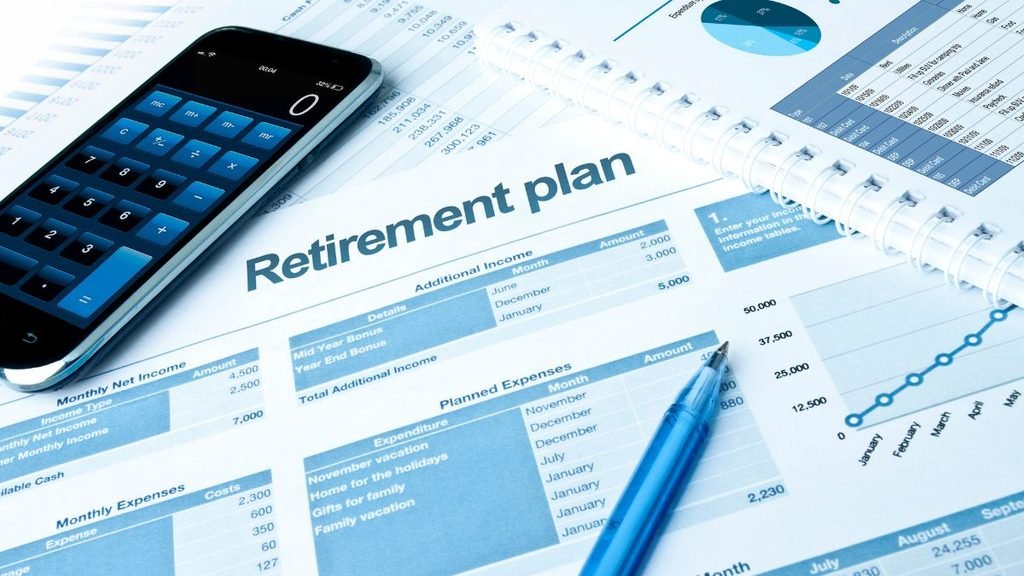
Retirement spending by age rarely follows a perfectly level path. Government data and retirement research both show that many household expenses fall as people move from their 60s and early 70s into later retirement, especially transportation, food, clothing, and entertainment.
That creates a reasonable case for using more discretionary money during active retirement years when your financial plan can support it.
Just keep the second half of the strategy.
Protect housing, essential living costs, emergencies, health care, and possible long term care before increasing optional spending. Your 80s may cost less overall, but no national average can promise what your own expenses will be.
The goal is not to die with the smallest possible account balance or the largest one. It is to use retirement resources at the times they can do the most good while keeping enough flexibility to handle the years still ahead.

Marco Kelley is a Retirement writer focused on helping older adults make confident, informed decisions about life after work. He covers retirement planning, Social Security, savings, taxes, healthcare costs, senior benefits, housing, and everyday financial choices. Marco brings a practical, straightforward approach to topics that can often feel complicated.
His goal is to give retirees and those nearing retirement clear guidance, useful ideas, and realistic strategies for building a more secure and comfortable future.