

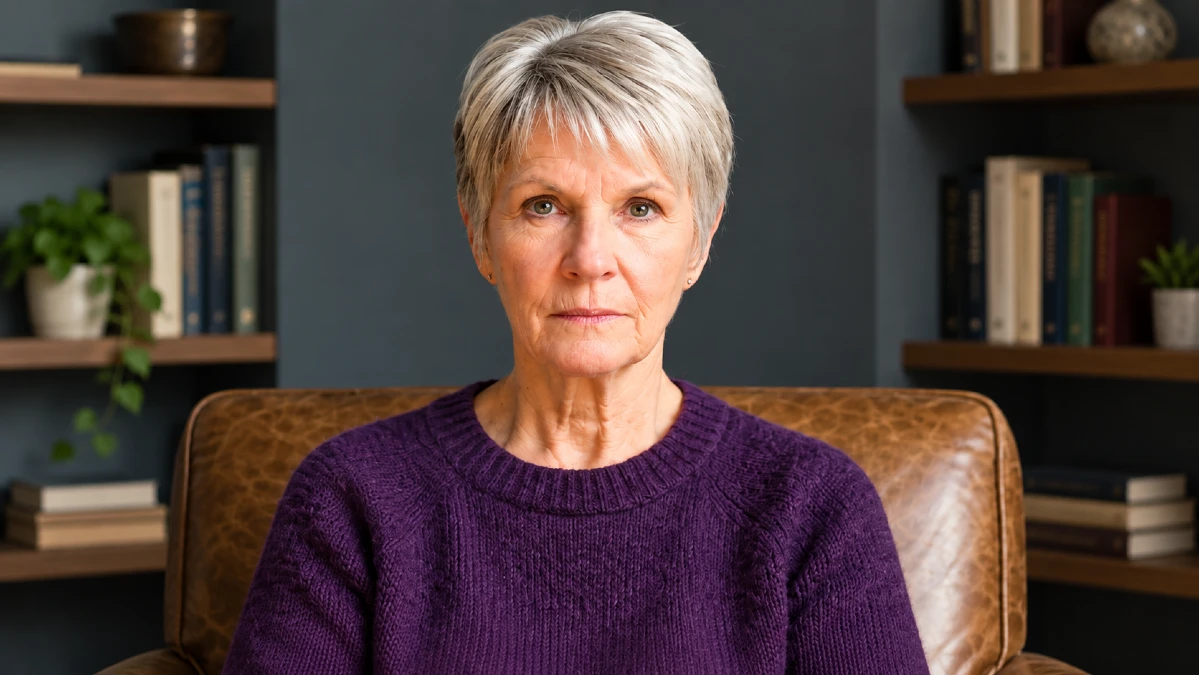
At 78, hypothetical Eleanor has no interest in being told that a boyfriend is the cure for a quiet home. She has spent much of her life caring for other people, and what she protects now is not loneliness but control over her time, money, home, and energy.
The problem is that dating after 70 can blur companionship with obligation.
A good relationship may add affection, laughter, intimacy, travel, and support, while a bad one can quietly add caregiving, financial exposure, and lost independence. These 13 truths help separate the two.
Dating After 70 Looks Different When Independence Is Already Working

Eleanor’s skepticism has some grounding, although not for the reason suggested by the stereotype that older men are simply searching for caregivers. Pew Research Center found that 51% of U.S. women age 65 and older were unpartnered in 2023, compared with 29% of men in that age group.
Women also remain more heavily represented in unpaid caregiving. AARP and the National Alliance for Caregiving reported in 2025 that women made up 61% of family caregivers, and women caregivers were more likely than men caregivers to report constant, around-the-clock care.
Those figures cover caregiving broadly, not romantic relationships, so they do not prove that a new boyfriend will expect care.
Numbers at a Glance
| What the evidence shows | Current finding | Why it matters |
|---|---|---|
| Women 65+ who were unpartnered | 51% in 2023 | Being without a partner is common, not an unusual failure. |
| U.S. family caregivers | About 63 million in 2025 | Caregiving already touches roughly one in four U.S. adults. |
| Share of family caregivers who are women | 61% in 2025 | Women continue to carry more family caregiving overall. |
| Romance-scam losses reported by adults 60+ | $329 million in 2024 | Money deserves the same boundaries as emotions. |
None of these figures says Eleanor should reject a relationship. They do suggest that protecting her independence, time, and finances is a reasonable part of deciding whether a relationship fits her life.
Truth 1: Being Unpartnered Is Not the Same as Being Lonely

People often collapse three different things into one idea: living alone, being socially isolated, and feeling lonely. The National Institute on Aging says they are not the same. Someone can live alone without feeling lonely, while someone surrounded by people can still feel deeply lonely.
That distinction matters to Eleanor. A quiet apartment, an afternoon spent reading, or eating dinner alone may be solitude she enjoys rather than a problem someone else needs to fix.
Social connection still matters. NIA and CDC associate persistent loneliness and social isolation with poorer physical and mental health, but those connections can come from friends, relatives, neighbors, clubs, volunteering, faith communities, and romantic partners.
A boyfriend is one possible form of connection. He is not a prescription.
Truth 2: Dating Can Turn Into Caregiving Before Anyone Names It

The relationship may begin with dinner on Saturday. Then come rides to medical appointments, grocery runs, help with insurance paperwork, cooking, laundry, phone calls to doctors, and reminders about schedules.
None of those acts is wrong. Loving partners help each other every day, and the help may flow both ways.
The problem begins when occasional help becomes an assumed job without an actual conversation. A woman who thought she was beginning a romantic relationship can find that much of her week is suddenly organized around another person’s needs.
That possibility deserves particular attention because caregiving is already widespread. The 2025 AARP/NAC study estimated 63 million U.S. adults were providing care, and women remained more likely than men to handle several hands-on caregiving tasks.
Truth 3: Being Needed Can Feel Good Without Being Good for You

Being useful can be deeply satisfying. Eleanor might enjoy bringing soup when someone is sick or driving a boyfriend home after a medical procedure.
But “he needs me” and “this relationship is good for me” are different statements. A relationship needs room for affection, humor, mutual interest, respect, and each person’s separate life.
Before care becomes routine, Eleanor would want to know what is voluntary and what is expected. She would also want to know what happens if her own health or energy changes.
Care or Caregiving Creep?
| Situation | Healthy mutual support | Warning sign |
|---|---|---|
| Ride to an appointment | Occasional favor that can be declined | She becomes the automatic driver |
| Cooking | They alternate or choose what works for both | She is expected to prepare every meal |
| Schedule reminders | Help is requested and appreciated | She becomes responsible for managing his calendar |
| Household chores | Tasks are negotiated fairly | His laundry, cleaning, and errands quietly become hers |
| Personal care | Boundaries and outside help are discussed | She feels she cannot say no without guilt |
The test is not whether Eleanor ever helps. The test is whether she is still free to choose when, how much, and under what circumstances she helps.
A loving relationship may include caregiving eventually. It should not acquire an unpaid job description by stealth.
Truth 4: Small Household Compromises Can Become Big Ones
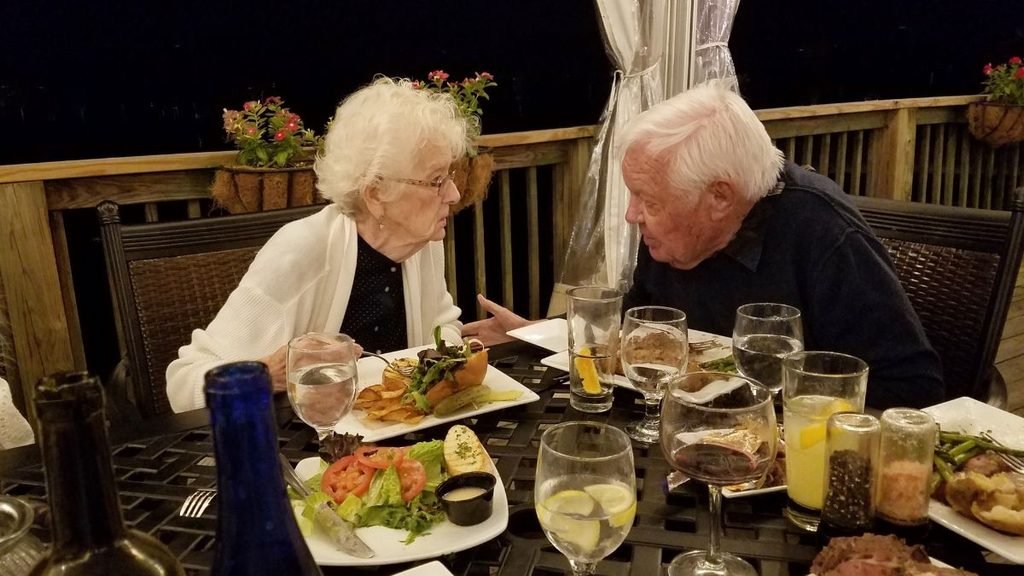
The dramatic arguments are not always what wear people down. Sometimes it is dinner at his preferred time every night, his television program, his sleep schedule, his preferred room temperature, his guests, or his expectation that weekends now belong to the couple.
Each compromise may sound tiny. Together they can change how someone lives inside her own home.
Eleanor therefore pays attention to the small negotiations. Does he occasionally adjust for her, or is she always the flexible one?
That question reveals more than whether they agree about the thermostat. It shows whether both people’s comfort carries equal weight.
Truth 5: A Serious Relationship Does Not Require a Shared Address

Later-life romance does not have to repeat the traditional sequence of dating, engagement, marriage, and one household. Some couples may prefer to maintain separate homes while having a committed relationship.
That arrangement can preserve routines, privacy, financial separation, and established relationships with family and neighbors. It may also prevent one partner from automatically becoming the other’s housekeeper or default caregiver.
It has disadvantages too. Two homes cost more to maintain than one, and living separately can make daily support less convenient if health needs increase.
The point is choice. If Eleanor loves having her own kitchen, her own bed, and complete control over her mornings, a good partner does not automatically require her to surrender them.
Truth 6: Money Conversations Cannot Wait Until Money Is Involved

Older adults often enter relationships with more financial history than people dating at 25. There may be retirement income, pensions, a home, investment accounts, adult children, previous marriages, debts, wills, insurance policies, and plans for inheritance.
That makes financial boundaries more important, not less romantic.
Consider a hypothetical dating budget rather than a national average. If Eleanor spends $45 on four outings each month, $25 on transportation four times, and another $50 on occasional tickets or gifts, that equals about $330 a month, or $3,960 a year.
The amount itself is not the issue. The useful question is whether the spending fits comfortably inside her existing retirement budget without pulling money from housing, medical costs, savings, or other priorities.
New relationships are a particularly poor time to rush into joint accounts, co-signing, loans, large gifts, property transfers, or investments suggested by the new partner.
Truth 7: Online Chemistry Can Be Manufactured
Romance scams work because the interaction often feels like a relationship before the money request arrives.
The FTC warns that scammers may communicate constantly, build trust, move conversations away from the original platform, make repeated excuses for why they cannot meet, and eventually ask for money or promote an investment.
The losses can be enormous. In the FTC’s detailed 2024 data for adults age 60 and older, reported romance-scam losses totaled roughly $329 million, up 19% from the previous year.
Money and Romance Warning Signs
| What happens | Safer response |
|---|---|
| An online partner repeatedly cannot meet in person | Slow the relationship and independently verify the person’s identity |
| Someone asks for emergency money before meeting | Do not send it |
| A new partner suggests cryptocurrency or an investment opportunity | Keep romance and investing separate |
| Someone wants access to bank or credit-card accounts | Keep accounts private |
| A partner pushes for a joint account or co-signed loan early | Decline until independent financial and legal advice is obtained |
| Someone wants the relationship kept secret | Talk privately with a trusted person |
CFPB also lists unexplained withdrawals, sudden account changes, unexpected additions to bank accounts, beneficiary changes, and a new friend who begins controlling financial decisions among possible signs of financial exploitation.
Caution is not cynicism. It is simply harder to repair a retirement account than to recover from a disappointing first date.
Truth 8: Marriage Is Also a Financial and Legal Decision

A wedding at 78 can be wonderful. It can also change financial and legal arrangements that have been in place for decades.
One Social Security rule is particularly important because it is often misunderstood. Under current SSA rules, remarriage after age 60 generally does not prevent someone from receiving survivor benefits based on a deceased spouse’s record, assuming the other eligibility requirements are met. Other benefit types follow different rules.
SSI is different. SSA says marriage can affect SSI eligibility or payment amounts because a spouse’s income and resources may matter, and the 2026 federal SSI resource limits remain $2,000 for an individual and $3,000 for a couple.
Medicaid can create another layer. Federal spousal impoverishment rules protect certain income and resources for the spouse remaining in the community when the other spouse receives certain long-term services and supports, but eligibility and implementation can vary by state.
Dating, Living Apart, Cohabitation, or Marriage?
| Arrangement | Potential advantage | Question to settle first |
|---|---|---|
| Dating | Maximum financial and household independence | How much time and care does each person expect? |
| Committed but separate homes | Keeps established homes and routines | How will costs, travel, emergencies, and caregiving work? |
| Cohabitation | More daily companionship and potentially shared expenses | What happens to housing, bills, property, and responsibilities? |
| Marriage | Formal legal relationship and potential benefits | How will marriage affect benefits, estate plans, taxes, debts, and state-law rights? |
There is no universally superior arrangement. State laws and individual benefit situations differ, so a relationship should not move from dating to marriage or shared property based on assumptions.
For Eleanor, romance and paperwork would be two separate decisions. She could say yes to one without automatically saying yes to the other.
Truth 9: Adult Children Get a Voice, Not a Veto

Adult children may have strong feelings about a parent’s new relationship. Some worry about fraud, inheritance, caregiving, housing, or simply seeing a parent with someone other than their late spouse.
Those concerns can be worth hearing. They do not automatically give the family authority to run Eleanor’s personal life.
The healthier approach is transparency without surrendering autonomy. Eleanor can introduce a new partner, listen to specific concerns, and keep trusted people informed without asking permission to date.
The same boundary works in the other direction. A boyfriend should not pressure her to cut off adult children, close friends, or other trusted relationships simply because they ask uncomfortable questions.
Truth 10: Intimacy Still Requires Practical Health Conversations
Dating after 70 can include sex, affection, touch, and new forms of intimacy. NIA notes that older adults vary widely in what they want from intimate relationships, and physical changes or health conditions can affect comfort and sexual function without eliminating intimacy.
Sexually transmitted infections also do not disappear at a certain birthday. CDC’s 2026 guidance recommends open conversations with partners and health professionals about sexual health, testing based on individual risk, and protection such as condoms when appropriate.
Eleanor does not need to treat the conversation as embarrassing or assume that a partner’s age makes testing unnecessary. She can ask when he was last tested, discuss exclusivity, talk about protection, and tell a healthcare professional that she has a new partner.
Consent also stays simple. Being someone’s girlfriend never creates an obligation to have sex or to participate in anything that makes her uncomfortable.
Truth 11: Energy, Mobility, and Transportation Matter More Than Chemistry Alone

Two people can enjoy each other’s company while living very different daily realities. One may happily drive at night, walk several miles, and travel frequently while the other prefers daytime outings close to home.
That does not make either person a bad partner. It means compatibility needs to include the ordinary Tuesday afternoon, not only the pleasant Saturday dinner.
Eleanor would pay attention to questions such as who drives, who travels to whose house, how late each person likes to stay out, and what happens when one person cannot keep up with the other’s schedule.
These questions become more important when care needs change. They help reveal whether the relationship can adapt without automatically placing all responsibility on one person.
Truth 12: Help Stops Being Helpful When Choice Disappears

There is a meaningful difference between a partner saying, “Would you like me to help?” and deciding that he now knows what Eleanor should do.
Control may appear through money, transportation, technology, household rules, or access to friends. CFPB lists isolation from visitors or phone calls, controlling another person’s decisions, unusual account changes, and a new person taking over someone’s finances among warning signs of financial exploitation.
The Justice Department similarly lists controlling or isolating behavior and abrupt financial changes among red flags that deserve attention.
That does not mean every disagreement is abuse. Couples disagree about spending, temperature, schedules, and families every day.
The question is whether Eleanor still has meaningful choice. If saying no leads to threats, intimidation, punishment, financial pressure, or isolation, the issue is no longer ordinary compromise.
Truth 13: Staying Single Is a Complete Choice
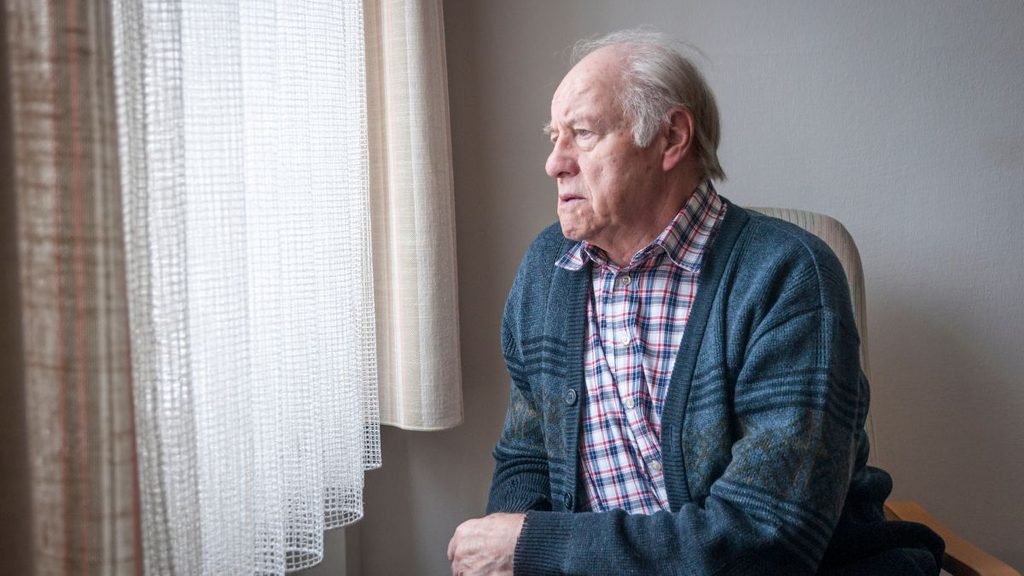
The most misleading assumption in later-life dating is that the happy ending must contain another person.
For some women it will. A loving relationship can bring affection, companionship, laughter, emotional support, travel, shared meals, and someone who genuinely makes ordinary days better.
For others, the better life may include close friends, grandchildren, neighbors, volunteering, hobbies, faith communities, travel, pets, or simply a quiet home that feels entirely their own.
NIA’s distinction matters again: living alone does not automatically mean loneliness or social isolation. A person can have a rich social life while protecting her private space.
Eleanor therefore does not need a boyfriend because she is 78. She needs one only if she wants the particular man and likes the life the relationship creates.
Eleanor’s 30-Day Relationship Test
Before combining households, making a major loan, changing beneficiaries, or taking on regular caregiving duties, Eleanor would slow things down. Thirty days cannot reveal everything, but it can expose patterns that infatuation makes easy to overlook.
The 30-Day Relationship Test
| Time | What to notice | Question to ask |
|---|---|---|
| Days 1–7 | Time and routines | Does the relationship fit her life, or immediately take it over? |
| Days 8–14 | Help and caregiving | Are favors mutual and voluntary, or already becoming expectations? |
| Days 15–21 | Money | Has either person introduced loans, investments, joint accounts, gifts, or financial pressure? |
| Days 22–30 | Home and future | Can they discuss housing, family, health, sex, and boundaries without anger or manipulation? |
She would also watch what happens when she says no. A person can appear generous when everything is going his way, but respect becomes easier to judge when Eleanor wants a different restaurant, keeps a weekend for herself, declines a money request, or decides she is going home early.

Denis Short is a Senior Living writer focused on helping older adults enjoy a safer, more comfortable, and more independent life. He covers aging at home, downsizing, home organization, everyday wellness, senior-friendly design, lifestyle choices, and practical ways to make daily routines easier.
Denis brings a warm, realistic perspective to later-life living, offering clear advice and useful ideas that help seniors and their families create homes, habits, and plans that support confidence, comfort, and independence.