


Between 65 and 80, it is easy to turn happiness into a scoreboard: own the house, walk without help, hear from the kids, keep money in the bank. That sounds reassuring, but it can also make a good life look smaller than it really is.
The research points to something more useful: the happiest seniors are not defined by a deed, perfect legs, or daily calls from adult children.
They are more likely to have stability, connection, purpose, choice, and enough support to keep ordinary life working, and several of those things can still be strengthened.
What the Happiest Seniors Actually Have in Common

Start with one surprising number. In the Federal Reserve’s 2025 household survey, released in May 2026, 84% of adults 65 and older reported owning a home. Yet that statistic does not tell us whether the home is affordable, accessible, paid off, expensive to maintain, or where the owner wants to live.
That is the problem with treating possessions as proof of happiness. A person renting a quiet apartment near friends and stores may have more day-to-day freedom than someone struggling with taxes, insurance, stairs, repairs, and a large house they no longer enjoy.
The same problem appears with family, mobility, and money. The healthier question is not, “Do I have all nine?” but, “Which parts of my life currently give me security and choice, and which part would be worth strengthening?”
| Popular claim | What is more useful to ask |
|---|---|
| “Happy seniors own their home.” | Is my housing secure, affordable, safe, and workable? |
| “Their legs still carry them everywhere.” | Can I keep participating in ordinary life, with or without useful support? |
| “They have one true friend.” | Is there at least one person with whom contact feels dependable and mutual? |
| “Their children still call.” | Do I have meaningful relationships, whether or not they involve children? |
| “They have plenty of money.” | Can my regular income and resources cover needs with some room for surprises? |
This distinction matters because circumstances change between 65 and 80. The goal is not to freeze life at 65, but to keep enough options that a change in health, housing, family, or driving does not automatically take everything else with it.
1. A Home Situation That Feels Secure
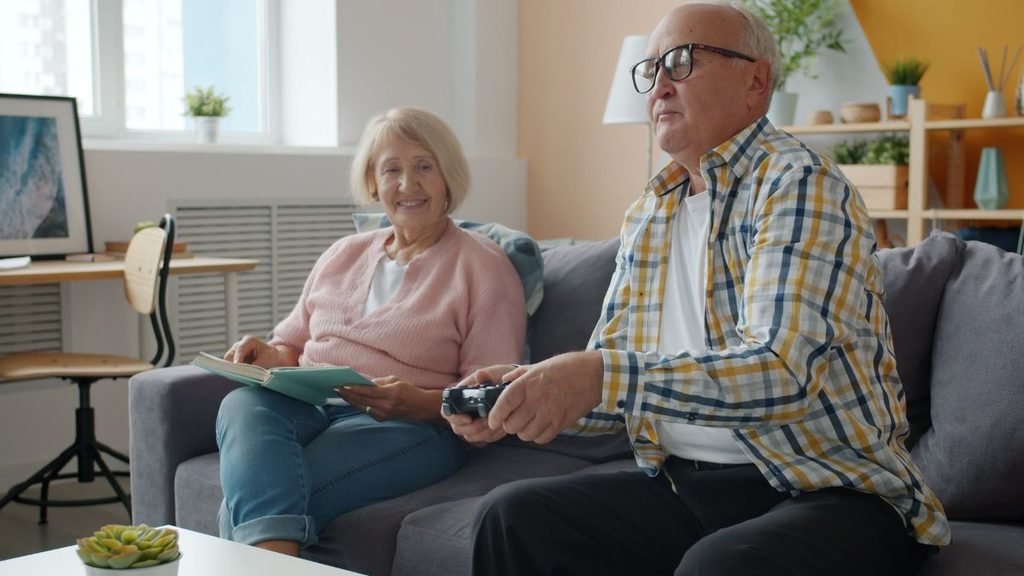
The first thing is not a deed. It is housing you can reasonably expect to keep using without constant fear about affordability, safety, or whether the space itself is becoming too difficult.
Homeownership can provide stability, and it is common among older Americans. But ownership also comes with property taxes, insurance, repairs, utilities, and maintenance, while some renters gain flexibility by leaving those responsibilities with a landlord.
A secure rental can therefore be a perfectly strong answer to this item. So can a condo, manufactured home, shared home, accessory dwelling unit, or another arrangement that gives the resident privacy and control.
What matters is whether the numbers and the physical space still work. A three-bedroom house may feel comforting until roof repairs, yard work, steep stairs, or rising insurance bills begin consuming money and energy that would be more useful elsewhere.
Before assuming moving or staying is automatically better, compare the full cost. Include rent or mortgage, taxes, insurance, HOA fees, utilities, maintenance, transportation changes, moving expenses, and any new services you would need.
2. Enough Mobility to Keep Participating in Daily Life
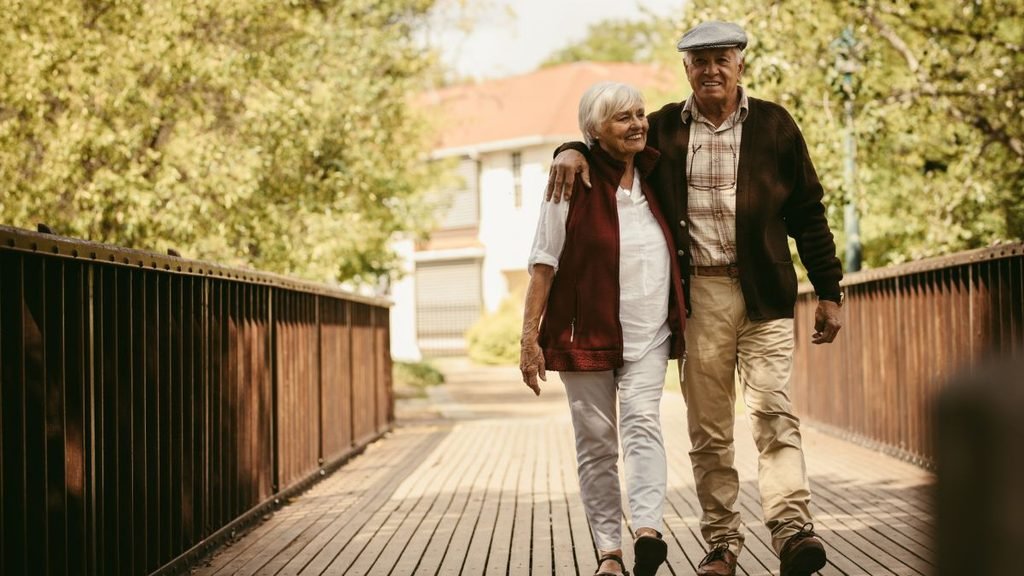
Mobility matters because it connects almost everything else. Getting out of a chair, walking through a store, reaching the mailbox, getting into a vehicle, or moving safely around the home affects how much of ordinary life remains easy to do.
But mobility is not a pass-or-fail test. Someone who uses a cane, walker, wheelchair, rail, or transportation service may have far more practical independence than someone who refuses useful support and gradually stops going places.
Current CDC guidance for adults 65 and older recommends a combination of aerobic activity, muscle strengthening, and balance work.
The general target is at least 150 minutes of moderate aerobic activity per week, muscle-strengthening activity on at least two days, plus activities that improve balance; people who cannot meet the full target are encouraged to be as active as their abilities and conditions allow.
NIA also notes that physical activity can improve the ability to handle everyday tasks such as getting out of a chair and moving around the neighborhood. It can help support independent living, although no exercise plan can guarantee that someone will avoid disability or falls.
| Situation | Independence may look like |
|---|---|
| Walking comfortably | Regular walking plus strength and balance activity |
| Stairs becoming difficult | Using rails, changing routines, or moving key activities to one level |
| Longer outings are tiring | Using a mobility aid or planning rest stops |
| Driving is limited | Combining shorter drives with other transportation |
| Certain movements feel unsafe | Asking a clinician or physical therapist about appropriate activity |
The useful question is not whether your legs work exactly as they did at 55. It is whether you still have practical ways to reach the people, places, and activities that matter to you.
New dizziness, repeated falls, unexplained weakness, chest discomfort, or unusual shortness of breath deserves medical attention rather than a tougher walking challenge. Exercise should fit the person rather than forcing the person to fit a generic program.
3. At Least One Person They Can Really Call

A long contact list is not the same thing as connection. One or two relationships in which both people can call, talk honestly, ask for help, laugh, complain, and share ordinary news may be far more valuable.
NIA makes an important distinction here: living alone and feeling lonely are not the same. Someone can enjoy living alone and have a rich social life, while someone living with relatives can still feel isolated.
That means the goal is not simply getting more people into the house. It is maintaining relationships that actually feel meaningful.
The health research gives social connection added weight. A 2025 NIA summary of a large analysis covering more than 600,000 participants across 21 longitudinal cohorts reported that loneliness was associated with a 31% higher risk of dementia, although an association does not prove that loneliness by itself caused the later diagnosis.
That is a good reason to take persistent loneliness seriously without turning an occasional quiet weekend into a medical emergency. Connection can begin with one recurring call, coffee, class, neighbor visit, walking partner, volunteer shift, or faith-community activity.
4. A Social Life That Does Not Depend on Adult Children

The original version of this idea often says happy older adults have children who call just to talk. That can be wonderful, but it is a poor universal measure of a good later life.
Some people never had children. Others lost a child, have family overseas, are estranged for complicated reasons, or simply have adult children whose work and caregiving responsibilities make frequent contact difficult.
A better question is whether affection and interest still move through your life in some form. Siblings, cousins, friends, former coworkers, neighbors, clubs, faith communities, volunteers, and newer friendships can all become part of a strong social network.
| Ask yourself | Stronger sign | Possible next step |
|---|---|---|
| Who could I call with good news? | At least one name comes quickly | Make contact before you need help |
| Who notices if I disappear for a week? | Someone regularly checks in | Set a predictable weekly call |
| Do my relationships feel mutual? | Both people ask and listen | Shift one conversation away from complaints or obligations |
| Does all contact depend on one person? | More than one connection exists | Add a group, neighbor, class, or community activity |
| Do I live alone but feel connected? | Yes | Do not treat living alone itself as a problem |
NIA encourages regular social and meaningful activity because it can support well-being and independence. The point is quality and continuity, not meeting a quota for family phone calls.
If family relationships are strained, guilt usually does not create the kind of connection people actually want. Sometimes a short, warm call or invitation with no scorekeeping is a better place to start.
5. Enough Financial Margin to Make Ordinary Choices

Financial peace after 65 does not require being wealthy. It does require enough room in the budget that every ordinary surprise does not threaten groceries, housing, medication, utilities, or another essential expense.
The Federal Reserve’s 2025 survey provides useful context. Among adults age 60 and older, 83% said they were doing okay financially or living comfortably, while 71% said they had savings set aside to cover three months of expenses.
Those age groups are broader than this article’s 65-to-80 range, but they show why financial resilience should be measured as more than net worth.
Someone can own a $500,000 house and still feel squeezed every month. Another person with modest savings and predictable expenses may feel far more secure.
Consider a hypothetical retiree with $3,400 coming in each month and $3,150 going out for housing, food, insurance, transportation, utilities, health costs, and other regular spending. The monthly margin is only $250, or $3,000 across a full year under those assumptions.
| Hypothetical monthly cash flow | Amount |
|---|---|
| Income | $3,400 |
| Regular expenses | $3,150 |
| Monthly breathing room | $250 |
| Breathing room over 12 months | $3,000 |
That $3,000 is not automatically “extra spending money.” A dental bill, home repair, insurance increase, vehicle repair, or family need can absorb it quickly, but the example shows why the gap between income and obligations often matters more than how impressive someone’s assets look.
A useful financial check is therefore simple: after normal monthly expenses, is there usually anything left? If the answer is no, start with the largest recurring pressures rather than cutting ten tiny pleasures that barely change the math.
6. A Reason Tomorrow Matters
Work used to provide a built-in answer to the question, “What am I doing tomorrow?” Retirement removes the alarm clock, but it can also remove deadlines, coworkers, responsibility, progress, and the feeling that somebody expects you to show up.
Purpose does not require starting a nonprofit or taking on another career. Caring for a garden, helping a neighbor, watching grandchildren, volunteering twice a month, learning something difficult, tending a pet, participating in a faith community, or finishing a woodworking project can all give shape to the week.
NIA notes that meaningful and productive activities with other people can support mood, purpose, well-being, and independence. It also points to research linking life satisfaction and a sense of purpose with better later-life outcomes, while correctly avoiding the claim that one hobby or activity can guarantee health.
Purpose is especially useful when it belongs to the person rather than being assigned by somebody else. An adult child deciding that Dad “needs a hobby” is different from Dad deciding that he wants to restore an old radio every Thursday afternoon.
7. Something They Do Simply Because They Enjoy It

Purpose sounds serious, but happiness also needs room for pleasure that does not accomplish anything important. Reading mysteries, fishing, sewing, painting, cooking, photography, gardening, cards, woodworking, music, sports, collecting, or learning a language may be valuable simply because the person likes doing it.
There is research behind this idea. A 2023 Nature Medicine study examined hobby engagement and mental well-being among 93,263 people age 65 and older across 16 countries.
Having a hobby was associated with greater happiness and life satisfaction, better self-reported health, and fewer depressive symptoms, even after researchers adjusted for a range of other factors.
That still does not mean buying a set of golf clubs will make someone happy. People in better circumstances may find hobbies easier to maintain, and different activities suit different bodies, budgets, personalities, and communities.
The useful test is simpler. Is there still something in the week you do because you genuinely look forward to it, rather than because it has to be done?
If the answer used to be yes but has become no, restart small. An activity that requires twenty minutes and almost no preparation has a better chance of returning to the calendar than a complicated new identity built around “staying busy.”
8. More Than One Way to Get Where They Need to Go

Transportation rarely appears on happiness lists, yet it can decide whether someone sees friends, buys groceries, attends appointments, volunteers, goes to worship, visits the library, or simply has lunch somewhere besides home.
That does not mean turning 70 should trigger a conversation about giving up the keys. NHTSA specifically says driving ability should not be judged on age alone, and many people continue driving safely well into later life.
The stronger position is having a backup before it becomes necessary. That might include a spouse, friend, public transit, paratransit, community shuttle, taxi, rideshare, volunteer driver program, or a combination.
Trying an alternative while you are still driving can make it far less disruptive later. It also gives someone the freedom to skip driving at night, in bad weather, after a medical procedure, or when the vehicle is in the shop without becoming stranded.
Transportation varies sharply by community, especially between urban, suburban, and rural areas. The Administration for Community Living’s Eldercare Locator can connect older adults and families with local transportation and other aging services, although what is available differs by location.
9. A Voice in Their Own Life, Plus Help on Their Terms

One of the strongest forms of independence is easy to miss because it cannot be photographed. It is still having meaningful control over ordinary decisions.
What time do you wake up? Where do you live? Which invitations do you accept? Who enters your home? How is your money spent? Which activities matter enough to keep on the calendar?
Needing help does not erase those choices. In many cases, the right help protects them.
Someone who pays for yard work may conserve enough energy to keep living at home. Someone using grocery delivery may still choose every item, while someone using a walker may be able to attend activities they would otherwise skip.
That is a very different picture from treating independence as “I must do everything myself.” Sustainable independence often means deciding what you want to keep doing personally and what you are comfortable delegating.
| Area | What to protect | One practical move |
|---|---|---|
| Housing | Stability and affordability | Review the real annual cost of staying versus alternatives |
| Mobility | Participation, not pride | Add appropriate strength, balance, or mobility support |
| Close connection | One dependable relationship | Contact that person before months pass |
| Social circle | More than one connection point | Add one recurring group or community contact |
| Money | Monthly margin | Compare regular income with regular spending |
| Purpose | A reason to show up | Put one meaningful commitment on the calendar |
| Enjoyment | Something done for pleasure | Restart one hobby in a smaller form |
| Transportation | More than one option | Test one backup ride before you need it |
| Autonomy | Control over important choices | Identify which help would preserve, rather than replace, independence |
This is where support becomes a tool rather than a takeover. The goal is not to prove you need nobody, but to keep as much decision-making authority as circumstances reasonably allow.
How to Use the Nine Without Turning Them Into a Score
Do not count nine yeses and declare yourself happy. Research does not support a cutoff where three answers mean one thing and six answers mean another.
Instead, circle the two areas that are strongest. Those are assets worth protecting because losing one strong area can affect several others.
Then choose only one weak point. If transportation is limiting friendships, solving the ride problem may improve two areas at once; if housing costs consume the budget, reviewing housing may create more financial breathing room than cutting entertainment.
The same principle works after illness, bereavement, retirement, or a move. You do not need to rebuild an entire life in one month, but you do need somewhere practical to begin.
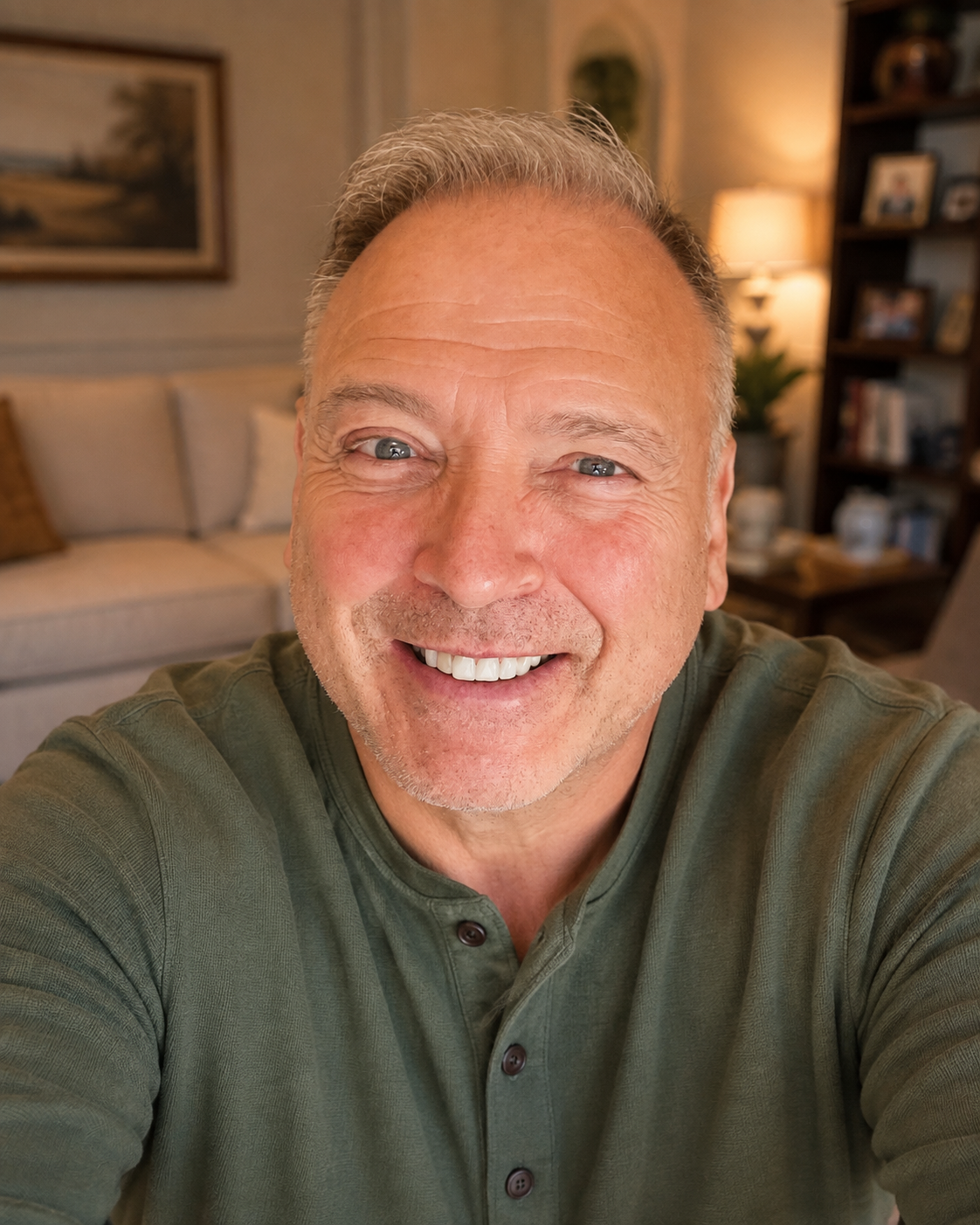
Denis Short is a Senior Living writer focused on helping older adults enjoy a safer, more comfortable, and more independent life. He covers aging at home, downsizing, home organization, everyday wellness, senior-friendly design, lifestyle choices, and practical ways to make daily routines easier.
Denis brings a warm, realistic perspective to later-life living, offering clear advice and useful ideas that help seniors and their families create homes, habits, and plans that support confidence, comfort, and independence.