


Robert Hayes spent years earning decent money while still feeling financially squeezed. Cars, meals out, clothing, and other purchases repeatedly consumed money that could have created savings and breathing room.
Eventually, ordinary bills became harder to manage and debt limited his choices. Looking back, the lesson Robert believes could have changed decades of his life was remarkably simple: living below your means.
The Lesson Robert Hayes Learned Too Late

Robert had heard the advice before.
His parents lived within their means, and he watched them make careful financial choices while he was growing up. Yet once he had his own household, knowing the lesson and following it became two very different things.
He was earning good money for the time, but he repeatedly wanted the next upgrade.
At one point, the household had three vehicles and a bass boat even though only two adults could drive. Cars were sometimes traded after only a short time, meals out were frequent, and clothing became another regular expense.
None of those choices seemed capable of changing an entire life by themselves.
Together, they did something far more important.
They removed financial breathing room.
The Real Cost Was Not the Cars or Restaurant Meals

Robert eventually faced consequences that went far beyond regretting unnecessary purchases.
He describes times when electricity and phone service were shut off because the household did not have enough money available. His mother sometimes stepped in to help financially when things became difficult.
That is where the story changes.
Living beyond your means is not mainly about whether buying one restaurant meal or one new car is irresponsible. The real danger appears when normal spending leaves no room for normal problems.
A broken appliance, higher utility bill, car repair, insurance deductible, or temporary loss of income can suddenly require new debt.
Why Financial Breathing Room Matters in 2026
Unexpected expenses are not unusual.
The Federal Reserve reported in 2026 that 59% of U.S. adults experienced at least one major unexpected expense during the previous year.
Only 63% said they could cover a $400 emergency entirely with cash, savings, or a credit card they would pay off with the next statement.
| Financial reality | Current figure | Why it matters |
|---|---|---|
| Adults able to cover a $400 emergency with cash or equivalent | 63% | Savings can keep a relatively small emergency from becoming long-term debt |
| Adults reporting a major unexpected expense during the previous year | 59% | Financial surprises are common enough to plan for |
| Average bank credit-card rate, all accounts, May 2026 | 20.94% | Carrying debt can make purchases much more expensive |
| Average rate on card accounts actually charged interest | 22.15% | Interest can consume money that could otherwise build savings |
| Adults age 50+ worried about having enough money through retirement | 60% | Retirement anxiety remains widespread |
These numbers do not mean everyone struggling financially is spending carelessly.
Housing, groceries, insurance, health costs, transportation, and utilities can consume most of a household’s income. AARP reported in 2026 that 69% of surveyed adults age 50 and older felt prices were rising faster than their income.
That distinction matters.
Someone with an income problem needs a different solution from someone whose income is sufficient but whose lifestyle repeatedly expands to consume it.
Living Below Your Means Does Not Mean Living Cheaply

Robert’s lesson can sound harsher than it needs to.
Living below your means does not require buying the cheapest car, never eating in a restaurant, or refusing to spend money on things that make life enjoyable.
It means your normal lifestyle costs less than the reliable income available to support it.
A household bringing home $5,000 and regularly spending $4,500 has $500 of monthly margin.
Another household bringing home $10,000 but spending $10,300 is moving in the opposite direction, despite earning twice as much.
That difference is why income alone tells us surprisingly little about financial security.
Lifestyle Creep Can Erase Hundreds of Dollars Quietly

Lifestyle creep often begins after income improves.
A raise arrives, so the car gets upgraded. Dining out happens a little more often. Several new subscriptions appear. Vacations become more expensive.
None of the changes feels dramatic.
But together they can consume every dollar of the raise.
Consider a hypothetical household bringing home $5,500 each month.
| Monthly spending | Before lifestyle creep | After several upgrades |
|---|---|---|
| Essential bills | $3,700 | $3,700 |
| Dining, shopping, subscriptions and entertainment | $900 | $1,300 |
| Vehicle and convenience upgrades | $300 | $600 |
| Money remaining | $600 | -$100 |
The household did not make one enormous financial mistake.
Several smaller upgrades erased $700 of monthly breathing room.
That equals $8,400 over one year.
The lesson is not that those purchases were automatically bad. The useful question is what happened to the money left afterward.
Robert Eventually Realized That Debt Was Taking Away Choices
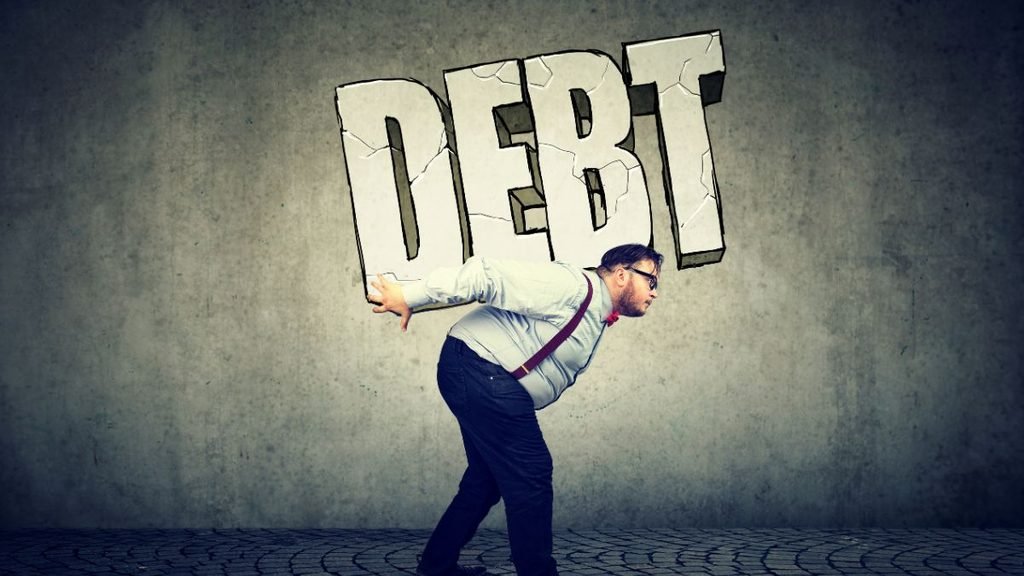
Robert later described the problem in terms of freedom.
Money needed for one week’s bill had sometimes already been spent the week before. Future income was constantly being pulled backward to cover previous decisions.
That cycle reduces options.
Without financial margin, it becomes harder to:
- handle a repair without using credit;
- take time between jobs;
- help someone in the family;
- replace an aging appliance;
- absorb an insurance deductible;
- travel without bringing the bill home;
- increase retirement savings;
- adjust spending when income falls.
Financial independence is not only about becoming wealthy.
Sometimes it simply means being able to pay this month’s bills with this month’s money.
The Budgeting Habit Robert Wishes He Had Started Earlier

Eventually, Robert began tracking what was coming into his household and what was leaving.
He also started separating needs from wants and focused on paying his credit-card balances rather than routinely carrying debt.
That is one part of his original lesson that still holds up well.
A useful budget does not need 40 categories.
Start with four numbers:
- reliable monthly income;
- essential living costs;
- required debt payments;
- flexible spending.
Subtract the last three from the first.
What remains is your monthly financial margin.
If the answer is consistently negative, something needs attention.
Do Not Start by Blaming the Coffee

Small expenses matter, but they are not always the best place to start.
Someone paying $6 for coffee every day spends roughly:
$6 × 30 = $180 a month
That is real money.
But reducing a $600 vehicle payment, expensive insurance policy, large recurring subscription bundle, or high-interest debt balance may have a much bigger effect.
Start with recurring expenses large enough to change the outcome.
Then decide whether smaller purchases are still worth adjusting.
Emergency Savings Turn Problems Into Expenses
Robert later concluded that he should have created a cash cushion for events such as car trouble or job loss.
That idea matters, although there is no perfect savings target for every household.
A renter with stable retirement income faces different risks from a homeowner whose roof and heating system are approaching the end of their useful lives.
Someone depending entirely on one paycheck also faces different risks from someone receiving several stable income streams.
CFPB guidance emphasizes building a dedicated emergency reserve and notes that even smaller regular deposits can help.
The first target therefore does not have to be impressive.
It needs to be useful.
High-Interest Credit-Card Debt Deserves Special Attention
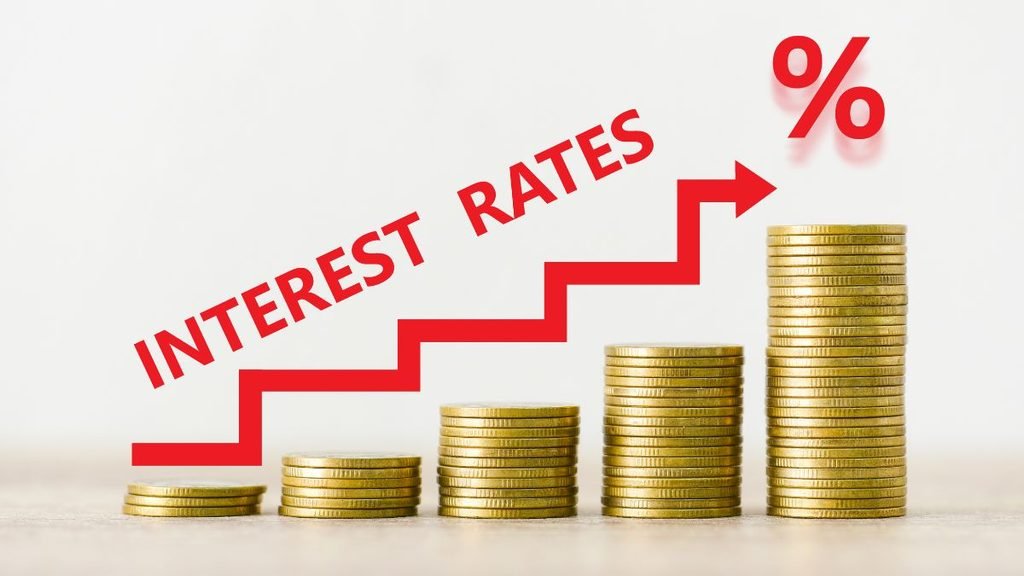
Credit-card debt has become particularly expensive.
Federal Reserve data show that accounts actually charged interest carried an average commercial-bank card rate of 22.15% in May 2026.
Consider a hypothetical $5,000 card balance.
Assume:
- 22.15% APR;
- no new purchases;
- no extra fees;
- the interest rate remains unchanged;
- $150 is paid every month.
Under those assumptions, eliminating the balance would take roughly 53 months.
Total interest would be about $2,834.
That means roughly $7,834 would leave the household to eliminate an original $5,000 balance.
The exact figure will vary with payment timing, fees, interest-rate changes, and new charges. But the lesson is clear enough.
High-rate revolving debt can keep yesterday’s spending inside tomorrow’s budget for years.
Match the Fix to the Problem You Actually Have
“Spend less” is useless advice when the household’s essential costs already exceed available income.
The first step should depend on what is causing the pressure.
| Your situation | Practical first move | What matters |
|---|---|---|
| Essentials already exceed reliable income | Review recurring bills, benefits, housing costs and realistic income options | Small discretionary cuts may not solve a structural shortage |
| Credit-card payments are becoming difficult | Contact the card company promptly | Waiting can reduce available options |
| There is no emergency reserve | Start with a manageable dedicated savings amount | Even a modest buffer can reduce dependence on debt |
| A debt-relief company promises quick forgiveness | Verify the company carefully | Upfront fees and guaranteed results are warning signs |
| Cash flow is positive but saving has stopped | Give part of the surplus a specific purpose | Otherwise lifestyle creep can absorb it |
This table is especially important for older households.
A retiree on a fixed income may have fewer opportunities to replace money lost to interest, unnecessary fees, or poor financial decisions.
That does not mean retirement requires extreme frugality.
It means each recurring obligation deserves more attention.
Debt Problems Can Attract a Second Problem: Scams

Financial pressure creates urgency.
Scammers understand that.
The FTC has warned consumers about debt-relief companies that promise dramatic reductions in balances or interest while requesting upfront payment.
Warning signs include:
- guaranteed debt elimination;
- pressure to act immediately;
- unexpected calls promising relief;
- demands for money before services are provided;
- requests for sensitive personal information.
A person struggling with card payments can contact the credit-card company directly.
CFPB guidance says card issuers may offer options for customers experiencing financial hardship.
The important point is to avoid turning one financial problem into two.
Robert Learned Another Lesson: Enough Can Actually Be Enough
Later in life, Robert began questioning the constant urge to upgrade.
If the household already had enough space, why automatically buy a larger home? If the existing car worked, why immediately replace it? If there was food at home, did every meal need to happen in a restaurant?
Those questions appear repeatedly in his account.
This does not mean people should never buy another car, move, travel, renovate, or enjoy something expensive.
The stronger question is:
Does this purchase improve life enough to justify what it removes from the financial margin?
Sometimes the answer will be yes.
Sometimes it will not.
Starting at 67 Is Still Starting
One of the saddest parts of Robert’s account is how much time he spends looking backward.
He remembers years of financial stress and wishes he had understood the lesson decades earlier.
But his own story also shows why “too late” can be misleading.
Robert eventually learned to live within his means. He says that later financial discipline still allows him to travel and purchase equipment important to his work while staying inside his budget.
A 67-year-old cannot recover 40 years of missed opportunities.
But that person may still be able to:
- stop adding new revolving debt;
- cancel unused recurring charges;
- reduce one large monthly expense;
- build a cash buffer;
- pay down an expensive balance;
- organize retirement spending;
- protect more of future income.
Those changes still matter.
Try a 30-Day Financial Reset
Robert’s eventual advice was simple: build a budget, reduce debt, improve savings, and learn the difference between wants and needs.
You do not need to rebuild your entire financial life this week.
Use one month instead.
| Time | What to do | Why |
|---|---|---|
| Days 1–7 | Review two or three months of checking and credit-card statements | Find where money actually goes |
| Days 8–14 | List income, essential expenses, debt payments and flexible spending | Calculate the true monthly surplus or shortfall |
| Days 15–21 | Choose one meaningful recurring expense to reduce | Create permanent monthly breathing room |
| Days 22–30 | Direct that money to savings or expensive debt | Prevent the new margin from disappearing into other spending |
Suppose that process frees $250 each month.
Over 12 months:
$250 × 12 = $3,000
A $500 monthly improvement becomes:
$500 × 12 = $6,000
That amount could help build savings, reduce expensive debt, or simply make monthly bills less stressful.
Five Questions Robert Wishes He Had Asked Earlier
Robert’s story can be reduced to a simple monthly check.
Ask:
- Is normal spending lower than reliable income?
- Could I handle an ordinary repair without immediately adding expensive debt?
- Are credit-card balances generally falling or rising?
- When income increases, does some of that increase remain unspent?
- Are today’s purchases protecting or reducing my future choices?
You do not need the same answers as your neighbor.
You need answers that fit your own income, housing, health costs, priorities, and lifestyle.
That is what living below your means really looks like.

Denis Short is a Senior Living writer focused on helping older adults enjoy a safer, more comfortable, and more independent life. He covers aging at home, downsizing, home organization, everyday wellness, senior-friendly design, lifestyle choices, and practical ways to make daily routines easier.
Denis brings a warm, realistic perspective to later-life living, offering clear advice and useful ideas that help seniors and their families create homes, habits, and plans that support confidence, comfort, and independence.