


The first weeks after leaving work can feel oddly unsettled. You finally have time for yourself, yet ordinary weekdays may seem too quiet. Even people who planned carefully can wonder what they are supposed to do next.
Without the familiar schedule, small problems can grow. Friendships change, household costs continue, and an open calendar does not automatically bring purpose or peace. These surprises can make a well-earned retirement harder to enjoy than expected.
These 21 things nobody tells you about life after retirement explain the everyday changes that matter, with simple ways to protect your time, money, health, and connections.
1. The First Monday Without Work May Feel Strange

After years of waking up for work, a quiet Monday morning can feel unfamiliar. There is no meeting to attend, no commute to manage, and nobody expecting you at a certain hour.
At first, that freedom may feel wonderful. However, some retirees discover that they miss the steady rhythm of their working days.
A sudden change in routine can leave you feeling restless, even when you are happy about retiring.
Give yourself time to adjust. Instead of filling every hour, start with a few familiar habits, such as making breakfast at the same time or taking a morning walk.
You do not need to turn retirement into another full-time job. A comfortable routine can develop gradually.
2. A Weekly Calendar Still Makes Life Easier

Having nothing scheduled sounds relaxing until several days begin to feel exactly the same. Without regular plans, it becomes easy to postpone errands, exercise, or social visits.
A simple weekly calendar can give your days some direction without taking away your freedom.
Consider choosing one main activity for each weekday. Leave enough open time for rest, unexpected invitations, and activities you enjoy.
Here is an example of a flexible retirement schedule:
| Day | Main Activity | Optional Plan |
|---|---|---|
| Monday | Grocery shopping | Walk in the park |
| Tuesday | Exercise class | Coffee with a friend |
| Wednesday | Personal hobby | Read at the library |
| Thursday | Volunteer activity | Relax at home |
| Friday | Household errands | Dinner with family |
Weekends can remain open for spontaneous plans or quiet time.
The goal is not to stay busy every minute. It is to have something pleasant or useful to look forward to during the week.
3. Work Friends May Not Stay in Touch Automatically

One of the less obvious changes after retirement involves friendships.
Coworkers who once shared lunch breaks, jokes, and daily conversations may slowly become less involved in your life. Nobody necessarily did anything wrong. The regular contact that supported those friendships simply disappeared.
Some relationships remain strong outside the workplace, while others naturally become less frequent.
Rather than waiting for former coworkers to call, try making occasional plans yourself.
A monthly breakfast, a phone conversation, or a short visit can help maintain important connections.
It also helps to accept that some friendships belong to a particular stage of life. New relationships can develop alongside the old ones.
4. Making New Friends Takes More Effort Than Expected

Meeting people after retirement often requires more planning than it did during working years.
At work, conversations happened naturally. In retirement, there may be fewer places where you see the same people regularly.
Joining a local activity can make the process easier. Libraries, community centers, walking groups, and adult education classes may offer opportunities to meet people with similar interests.
You do not have to become highly social to enjoy retirement.
A few meaningful friendships may suit you better than a packed social calendar.
Choose an activity you genuinely enjoy and attend regularly. Familiar faces often become easier to approach after several meetings.
Even a weekly coffee group can provide a welcome reason to get out of the house.
5. You May Miss Feeling Useful More Than You Miss Working

Retirement removes work responsibilities, but it can also change how you see yourself.
For years, your experience and decisions may have helped coworkers, customers, or an organization. Losing that familiar role can feel strange.
Psychologists who study retirement recognize that adjusting to a new sense of identity can be an important part of the transition.
Fortunately, feeling useful does not require a paid job.
Small responsibilities can provide satisfaction, especially when they match your interests and energy.
| Interest | Activity to Try | Time Commitment |
|---|---|---|
| Helping others | Sort donations at a food bank | A few hours monthly |
| Sharing knowledge | Tutor or mentor someone | One session weekly |
| Gardening | Care for a shared garden | Flexible |
| Community involvement | Help organize a local event | Occasional |
| Creative projects | Make gifts for a charity drive | At your own pace |
You can also find satisfaction in personal projects that benefit nobody but yourself. Completing a family photo album or improving your cooking skills can feel meaningful.
Your value was never limited to your job title.
6. Volunteering Can Become Another Full-Time Commitment

Volunteering is often suggested as a perfect retirement activity. While helping others can be rewarding, taking on too many responsibilities may leave you feeling exhausted.
Some organizations need regular volunteers. Once people discover that you have free time, they may ask you to accept extra shifts or responsibilities.
Before committing, consider your energy, transportation, and other obligations.
A few questions can help you choose wisely:
- How many hours will I need to volunteer?
- Can I change my schedule when necessary?
- Will the work involve standing, lifting, or traveling?
- Is training available for new volunteers?
Many organizations also have desk-based, remote, or occasional volunteer opportunities.
Start with a small commitment. You can always increase your involvement if the experience remains enjoyable.
7. Retired Couples May Need Separate Hobbies

Spending more time together sounds wonderful, but retirement can change the daily balance of a relationship.
Couples who previously spent several hours apart may suddenly share the same space from morning until evening. Different routines, interests, and expectations can create small disagreements.
One partner might enjoy quiet mornings while the other prefers activities outside the house.
Maintaining separate hobbies can make retirement more comfortable for both people.
For example, one person might enjoy gardening while the other attends a book club. They can still plan shared activities, such as weekend outings or evening walks.
Talk openly about personal space, household responsibilities, and how much time you want to spend together.
Retirement does not mean couples must share every activity.
8. Family Members May Assume You Are Always Available

Once you retire, relatives may begin asking for more help.
Requests might involve watching grandchildren, driving someone to an appointment, helping with home repairs, or caring for another family member.
These responsibilities can be meaningful. However, having more flexible time does not mean every hour is available.
Without clear boundaries, family requests can gradually replace the retirement plans you hoped to enjoy.
Decide which responsibilities you are comfortable accepting. Be specific about the days or hours when you can help.
For example, offering to help one afternoon each week may be easier than agreeing to be available whenever someone calls.
Supporting family and protecting your independence can go together.
9. Your Monthly Spending May Not Decrease as Much as Expected

Many people expect retirement to bring lower expenses because commuting, work clothes, and daily lunches are no longer necessary.
Some costs do fall. Others may increase because you spend more time at home, travel more often, or pay for activities that were previously limited to weekends.
Financial planning becomes easier when you compare actual expenses rather than relying on assumptions.
The Consumer Financial Protection Bureau encourages people to track spending and distinguish essential expenses from optional purchases.
Consider how different parts of your household budget might change.
| Expense | Possible Retirement Change | Planning Tip |
|---|---|---|
| Transportation | Less commuting, more personal trips | Review fuel, transit, and insurance costs |
| Groceries | More meals prepared at home | Plan meals before shopping |
| Utilities | More time using heat or air conditioning | Compare seasonal bills |
| Entertainment | More outings and activities | Set a monthly recreation amount |
| Health care | Premiums and personal costs may change | Review coverage and prescriptions |
| Travel | More flexibility to take trips | Save separately for planned vacations |
Keep track of your spending for two or three months after retiring.
Include bills that arrive only once or twice a year. Property taxes, insurance renewals, and vehicle maintenance can make a retirement budget look more comfortable than it really is.
A realistic spending plan helps you enjoy your money without constantly worrying about it.
10. Home Repairs Do Not Stop When Paychecks Do

A comfortable home can become one of retirement’s biggest financial responsibilities.
Roofs need repairs, appliances stop working, and heating systems require maintenance. These expenses rarely arrive at a convenient time.
Retirees who own their homes may also face property taxes, insurance increases, and regular upkeep.
Living in a rental property brings different concerns, including possible rent increases and moving costs.
Rather than treating home repairs as unexpected disasters, include them in your long-term retirement budget.
A separate savings fund for household expenses can help you prepare for larger bills.
It may also be worth reviewing whether your current home still suits your lifestyle. A smaller property, easier yard, or lower-maintenance apartment might eventually make daily life simpler.
Moving is not automatically the right answer. Compare costs, convenience, and personal preferences before making a major housing decision.
11. The Age You Claim Social Security Can Affect Your Income for Years
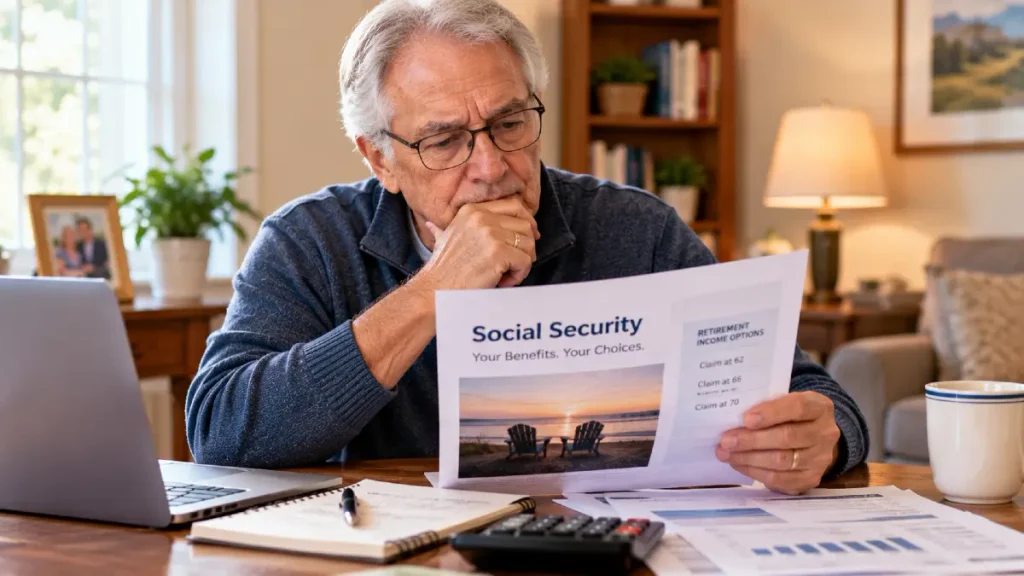
Leaving your job and starting Social Security are two separate decisions.
In the United States, eligible workers can generally begin receiving Social Security retirement benefits at age 62. However, claiming before full retirement age usually means a permanently reduced monthly benefit.
For people born in 1960 or later, full retirement age is 67.
Delaying benefits beyond full retirement age can increase the monthly payment until age 70. Waiting beyond 70 does not earn additional delayed retirement credits.
The right claiming age depends on personal circumstances, not simply the largest possible monthly amount.
Before deciding, consider:
- Your current income and available savings.
- Your health, financial needs, and expected retirement expenses.
- Your spouse’s possible benefits and survivor benefits, if applicable.
- Whether you plan to continue working.
The Social Security Administration provides personalized benefit estimates through individual Social Security accounts.
Working while collecting benefits before full retirement age can also affect current payments if earnings exceed certain limits.
For major claiming decisions, consider talking with a qualified retirement planner who understands Social Security rules.
Readers outside the United States should check their own country’s public pension eligibility and claiming rules.
12. Medicare Does Not Cover Every Health Expense

One of the biggest surprises about retirement health care is that having insurance does not mean every medical bill disappears.
Most Americans become eligible for Medicare at age 65, although some qualify earlier.
Original Medicare helps pay for many medically necessary services, but it has important coverage limits.
Routine dental care, hearing aids, and many vision services generally are not covered by Original Medicare.
Here are several expenses worth understanding before retirement.
| Health Service | Original Medicare Coverage | What to Consider |
|---|---|---|
| Routine dental cleanings | Generally not covered | Separate dental coverage or personal savings |
| Routine eyeglass exams | Generally not covered | Vision benefits and exam costs |
| Hearing aids | Not covered | Hearing care budget |
| Non-medical long-term care | Not covered | Future care arrangements |
| Certain preventive screenings | Often covered under specific rules | Eligibility and recommended timing |
Some Medicare Advantage plans offer extra benefits, including certain dental, vision, and hearing services. The exact benefits, costs, provider networks, and restrictions vary by plan.
Also, Medicare enrollment does not always happen automatically.
Your first enrollment period generally begins three months before the month you turn 65 and ends three months afterward. Certain qualifying employer coverage may allow you to delay Part B enrollment without a penalty.
Check your eligibility and enrollment timing before leaving a job that provides health insurance.
If you live outside the United States, review your public health system and any supplemental insurance separately.
13. Taxes Can Continue Long After Your Final Paycheck
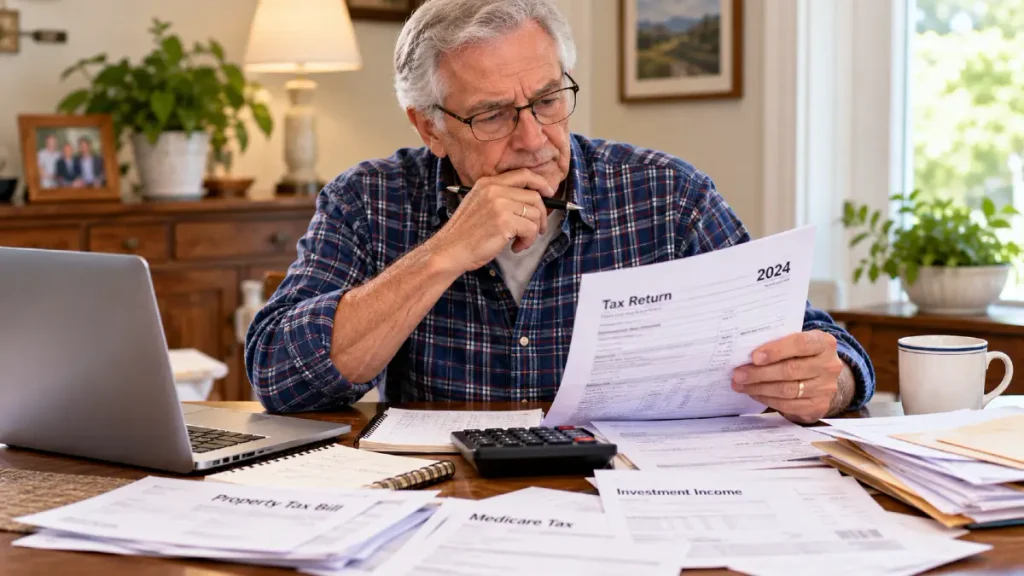
Retirement does not necessarily end your responsibility to pay income taxes.
Depending on your financial situation, income from pensions, retirement account withdrawals, investments, and even Social Security benefits may be taxable.
Traditional IRA and 401(k) withdrawals are generally taxable, while qualified Roth account withdrawals may receive different treatment.
Required minimum distributions can also become part of retirement planning once you reach the applicable age.
For U.S. taxpayers age 65 and older, an additional federal senior deduction is available for tax years 2025 through 2028 to those who meet the eligibility rules. Income limits apply, and the deduction does not make every form of retirement income tax-free.
State taxes may create additional differences.
Review your expected income before making large withdrawals from retirement accounts. A qualified tax professional can help you understand how the rules apply to your circumstances.
A little advance planning may prevent an unpleasant surprise at tax time.
14. Staying Active Requires More Planning Than You Might Expect

Work often builds movement into the day without you thinking about it. Walking through an office, standing during tasks, or traveling between locations can add up.
After retirement, some people become less active because those everyday movements disappear.
Regular physical activity deserves a place in your retirement routine, even when you feel healthy and energetic.
The CDC recommends that adults age 65 and older aim for at least 150 minutes of moderate physical activity each week, along with muscle-strengthening activities on at least two days and regular balance activities.
That does not mean everyone needs an intense workout.
Walking, swimming, gardening, and suitable exercise classes can all provide opportunities to move.
People with health conditions or mobility limitations can adapt activities to their abilities. Chair-based exercises or guided movements may be helpful for some people.
Start at a comfortable level and speak with a health care professional when necessary, especially if you have medical concerns or are beginning a new exercise routine.
15. Better Sleep Does Not Automatically Come With Retirement

Sleeping without an early alarm sounds like one of retirement’s greatest rewards.
However, leaving work does not automatically improve sleep quality.
Some retirees begin sleeping late, taking long afternoon naps, or staying awake much longer at night. Over time, these habits may make it harder to maintain a consistent sleep schedule.
The National Institute on Aging explains that older adults generally need about seven to nine hours of sleep each night.
A regular bedtime and wake-up time can help support healthy sleep habits.
Try getting natural daylight during the morning, staying physically active, and avoiding long naps late in the day.
Keep your bedroom comfortable and limit caffeine close to bedtime.
Persistent insomnia, loud snoring, or unusual daytime sleepiness may require medical attention.
Quality rest matters more than simply spending extra hours in bed.
16. The Home You Love May Need Small Changes

A home that worked perfectly during your working years may need adjustments as your daily habits change.
Spending more time at home can make you notice poor lighting, difficult storage spaces, or uncomfortable furniture.
Planning ahead can help make a home safer and more convenient, even if you have no current mobility concerns.
The National Institute on Aging recommends practical home improvements that can reduce common hazards.
Useful changes may include:
- Improving lighting around stairs, hallways, and entrances.
- Securing loose rugs and keeping walking paths clear.
- Installing grab bars or secure handrails where needed.
- Moving frequently used household items to easy-to-reach shelves.
Some improvements cost very little, while bathroom renovations or major accessibility upgrades can be expensive.
Renters may need permission before making permanent changes.
Focus on improvements that match your home and personal needs rather than buying every product marketed toward older adults.
A comfortable, well-organized living space can make everyday retirement life more enjoyable.
17. Transportation Can Affect Your Retirement Independence

Transportation is easy to overlook when planning retirement.
You may no longer need to commute, but grocery shopping, doctor visits, social activities, and hobbies still require getting around.
For people who drive, vehicle maintenance and fuel remain part of the budget.
Others may prefer public transportation, walking, cycling, or community transportation services.
It is useful to understand your local options before you urgently need an alternative.
| Transportation Option | Best For | What to Check |
|---|---|---|
| Personal vehicle | Flexible everyday trips | Fuel, insurance, and maintenance |
| Public buses or trains | Regular local routes | Stops, schedules, and accessibility |
| Community transportation | Eligible residents needing assistance | Local eligibility and booking rules |
| Taxi or ride-hailing service | Occasional appointments | Availability and trip costs |
| Walking or cycling | Nearby destinations | Safe routes, weather, and ability |
Transportation availability differs greatly between large cities, suburbs, and rural communities.
Consider keeping a backup travel option for bad weather, vehicle problems, or medical appointments.
Being able to reach the places you enjoy helps preserve flexibility and choice.
18. Traveling in Retirement Is Not Always Cheaper or Easier

Retirement offers more freedom to travel outside traditional vacation periods.
You may be able to avoid crowded holiday weekends, take longer trips, or spend several days exploring a destination instead of rushing through it.
However, flexible dates do not always guarantee lower prices.
Airfares, hotels, travel insurance, and seasonal demand can still make trips expensive.
Health care coverage also deserves attention.
Original Medicare generally does not cover medical care outside the United States, except in limited situations. International travelers should review their existing coverage and consider whether additional travel medical insurance is appropriate.
Comfort matters too. Long airport walks, extreme weather, and packed sightseeing schedules can make a vacation less enjoyable.
A good retirement trip does not need to involve another country.
Nearby towns, national parks, museums, and short weekend visits may offer plenty of enjoyment without a large travel budget.
Choose destinations and schedules that fit your interests, energy, and finances.
19. Learning Something New Can Be Surprisingly Satisfying

Many people spend their working years learning skills that help them do their jobs.
Retirement offers an opportunity to learn something simply because it interests you.
You might try photography, learn another language, take a cooking class, or begin painting.
There is no requirement to become an expert.
In fact, being a beginner again can make ordinary days more interesting. A small improvement can provide a reason to continue practicing.
Consider these affordable ways to begin:
- Library classes: Explore local workshops, book discussions, or technology lessons.
- Community education: Look for beginner courses offered through colleges or adult learning centers.
- At-home lessons: Use books or suitable online tutorials to practice at your own speed.
Class fees and accessibility vary by location. Free resources may be available through public libraries and community organizations.
Learning activities can also create opportunities for social connection, especially when you attend a regular group.
Choose a subject that makes you curious rather than one you feel pressured to master.
20. Scammers May Sound More Convincing Than You Expect

Financial scams are an important concern during retirement, especially when they involve savings, pensions, or health benefits.
Fraudsters may pretend to represent a government agency, bank, investment company, or familiar business.
Some create a false sense of urgency. Others promise unusually high returns or claim your account will be closed unless you act immediately.
The U.S. Securities and Exchange Commission warns investors about pressure tactics, guaranteed returns, and unregistered investment sellers.
Recognizing suspicious requests can help protect your finances.
| Warning Sign | Safer Response |
|---|---|
| Someone demands immediate payment | End the conversation and verify the request |
| An investment promises high returns without risk | Treat the claim with suspicion |
| A caller asks for a password or verification code | Do not share the information |
| An unexpected message claims your account is locked | Contact the organization through its known official channel |
| Someone pressures you to keep a financial offer secret | Discuss it with a trusted person before acting |
Never assume a caller is genuine simply because they know your name or other personal details.
Review account statements regularly, use strong passwords, and consider enabling two-factor authentication.
A trusted contact on an investment account may also provide an additional safeguard. This arrangement does not automatically give that person control over your money.
Taking time to verify an offer is one of the simplest ways to avoid financial pressure.
21. Your Retirement Plan Will Probably Change Over Time

Retirement rarely follows one fixed plan for the rest of your life.
Interests change. Friends relocate, family responsibilities develop, and financial or health needs may look different several years after leaving work.
A travel schedule that once felt ideal might eventually become less appealing than spending time at home.
You may also discover an interest that was never part of your original retirement plans.
Instead of viewing these changes as problems, allow your routine to adjust.
Review your retirement goals about once a year.
Look at your spending, relationships, health needs, living arrangements, and activities. Consider which parts of your current lifestyle still make you happy and which ones feel more like obligations.
Emotional needs matter as well.
Feeling uncertain or restless during a major life change is not unusual. However, sadness, anxiety, or loss of interest that persists or interferes with daily life deserves attention from a health care professional.
Retirement can include several different stages, each with its own priorities.
The freedom to make changes is one of the valuable parts of life after retirement.
A Small Step Toward a More Enjoyable Retirement
A satisfying retirement does not require expensive vacations, a full calendar, or a completely new lifestyle.
What matters is building days that fit your interests, finances, health, and personal relationships.
Choose one activity you genuinely want to enjoy next week and place it on your calendar. It might be meeting a friend, visiting the library, or spending an afternoon on a favorite hobby.
Small, enjoyable plans can help you find a retirement rhythm that feels right for you.
Frequently Asked Questions
How Long Does It Take to Adjust to Life After Retirement?
There is no fixed adjustment period. Some people feel comfortable with their new routine quickly, while others need several months or longer to settle into the change. Your health, finances, relationships, and reasons for retiring can all affect the experience.
Can You Retire Before You Start Collecting Social Security?
Yes. In the United States, leaving your job does not require you to begin Social Security benefits immediately. Eligible workers can generally claim retirement benefits starting at age 62, but waiting may increase their monthly payment. The best timing depends on individual financial and personal circumstances.
What Happens to Health Insurance If You Retire Before Age 65?
Most Americans do not become eligible for Medicare based on age until 65, although some qualify earlier. Before that age, possible insurance options may include coverage through a spouse, an employer retiree plan, COBRA, or a Health Insurance Marketplace plan. Costs, eligibility, and enrollment deadlines vary, so arrange coverage before your existing insurance ends.
Is It Normal to Feel Bored or Sad After Retiring?
Some people experience boredom, sadness, or a loss of direction while adjusting to retirement. Creating a manageable routine, maintaining relationships, and exploring meaningful activities may help. If low mood continues, becomes severe, or affects everyday functioning, speak with a qualified health care professional rather than assuming it is simply part of retirement.