

Retirement can leave a surprising amount of blank space on the calendar. After years of work schedules, even a peaceful Tuesday may feel longer than expected.
Without regular plans, days can start to blur together. It becomes easy to put off seeing friends, moving around, or trying something new, especially when money, energy, or transportation is limited.
A full retirement does not require expensive trips or a packed schedule. These 28 things to do after retirement offer practical ways to build routines, explore hobbies, meet people, and make ordinary weekdays feel more satisfying.
1. Create a Weekly Retirement Schedule You Actually Enjoy

Having nowhere to be can feel wonderful at first. After several months, though, a little structure may make weekdays easier to enjoy.
Start by choosing three regular activities that give your week some shape. One could involve exercise, another could be social, and the third could be something you enjoy doing alone.
Leave plenty of open time between plans. A retirement schedule should support your freedom, not feel like another full-time job.
Here is a simple example of a flexible weekly routine.
| Day | Main Activity | Easy Backup Plan |
|---|---|---|
| Monday | Morning walking group | Short indoor walk |
| Tuesday | Library visit | Read at home |
| Wednesday | Creative hobby | Work on a small project |
| Thursday | Lunch with a friend | Phone conversation |
| Friday | Community activity | Online class |
| Weekend | Family time or day trip | Relax at home |
You can adjust the schedule around appointments, caregiving, weather, and personal energy levels. The goal is to have something to look forward to without filling every hour.
2. Join a Neighborhood Walking Group

Walking is one of the simplest ways to add regular activity to retirement. It requires little equipment, and a familiar route can become an enjoyable part of the morning.
A walking group also creates an easy chance to talk with neighbors and make new friends. Some groups meet at parks, shopping malls, recreation centers, or community trails.
Begin with a route that matches your current ability. A 10-minute walk may be a reasonable starting point for some people, while others may enjoy much longer walks.
Comfortable shoes, suitable weather, and a safe walking surface matter more than covering a certain distance. If walking outdoors is difficult, an indoor mall or accessible community center may offer another option.
3. Volunteer at a Local Food Bank

Volunteering can replace some of the routine and teamwork people miss after leaving their jobs. A local food bank offers practical ways to contribute without taking on another career.
Volunteers may sort donated food, prepare grocery packages, welcome visitors, or help with office tasks. Many organizations have different roles depending on a person’s interests and abilities.
Before signing up, ask about:
- Time commitment: Whether you can help for a few hours each month.
- Physical requirements: Whether the role involves lifting or standing.
- Training: What new volunteers need to learn.
- Scheduling: Whether you can change shifts when necessary.
Start with one short shift rather than agreeing to several weekly commitments. Giving your time should feel worthwhile without leaving you exhausted.
In the United States, AmeriCorps Seniors also helps connect adults 55 and older with community volunteer opportunities.
4. Grow a Small Herb Garden at Home
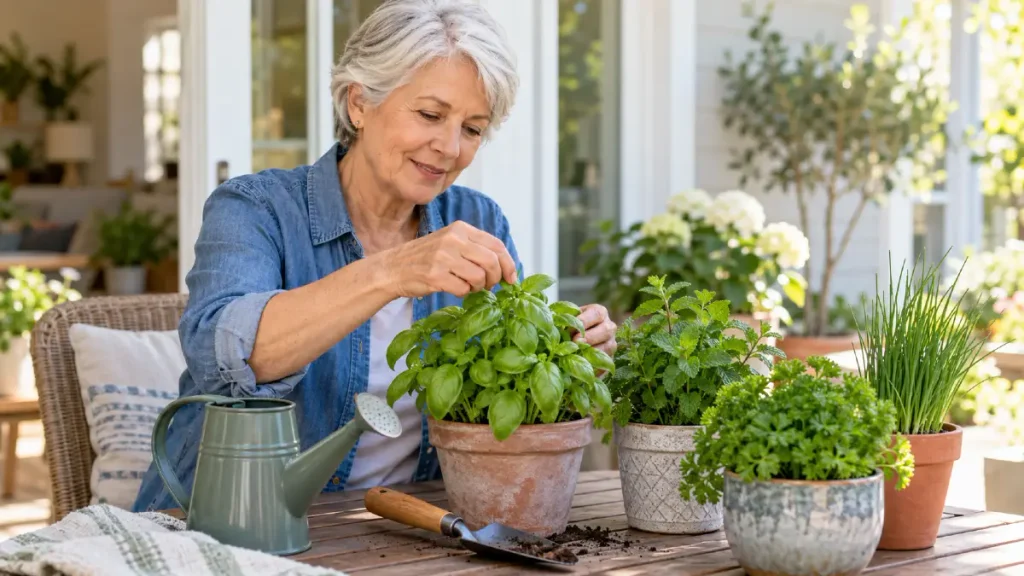
Gardening offers a pleasant reason to spend time outdoors or near a sunny window. You do not need a large yard to enjoy growing something.
Basil, mint, parsley, and chives are familiar choices for a small herb garden. Begin with one or two plants and learn their light and watering needs.
A few pots, suitable soil, and a watering can are enough for a basic setup. Garden centers can help you select plants that match your local climate and available sunlight.
For anyone who finds bending uncomfortable, raised planters or containers placed on a sturdy table may make gardening easier.
Over time, watering plants and checking their growth can become a relaxing morning habit. Fresh herbs also give you something useful to add to everyday meals.
5. Take a Lifelong Learning Class at a Local College

Learning does not have to end when a working career does. Retirement offers time to study subjects simply because they interest you.
Community colleges, public libraries, universities, and local adult education programs may offer classes in history, art, photography, writing, and technology.
In the United States, Osher Lifelong Learning Institutes offer noncredit educational programs designed for adults age 50 and older at participating universities.
The best class is one you want to attend, not one that sounds impressive.
| Class Type | Where to Look | What to Check |
|---|---|---|
| Local history | Community college | Reading requirements |
| Art workshop | Recreation center | Materials included |
| Technology class | Public library | Device requirements |
| University learning program | Lifelong learning institute | Membership fees |
| Online course | College or education provider | Live or recorded lessons |
Some classes are free, while others charge enrollment or materials fees. Check whether transportation, online attendance, or accessible classrooms are available.
A class that meets once a week can give you a regular activity and introduce you to people who share your curiosity.
6. Try Watercolor Painting at Home

Watercolor painting is a creative hobby that can fit into a quiet afternoon. It does not require a dedicated studio or expensive equipment.
Start with a small watercolor set, a few brushes, watercolor paper, and a container of water. A beginner can practice painting simple subjects such as flowers, fruit, coffee cups, or trees.
You might spend 20 minutes painting after breakfast or save a longer session for a rainy afternoon.
Free library books and beginner classes can help you learn basic techniques without spending much money.
Painting can also be enjoyable with a friend or partner, even when your skill levels are different. The point is to enjoy learning and experimenting rather than produce perfect artwork.
7. Meet a Friend for Coffee Every Week

Work often provides regular conversations that disappear after retirement. Scheduling a simple coffee date can help maintain those connections.
Choose a comfortable café, library meeting area, or neighborhood spot where you can talk without rushing. You might reconnect with an old coworker, invite a neighbor, or meet someone from a community class.
Weekly gatherings do not need to involve expensive meals. A short visit over coffee can be enough.
For people who prefer staying home, a standing phone call or video chat can serve a similar purpose.
The National Institute on Aging emphasizes that meaningful social connections support well-being. Keeping in touch with others is worth making time for, even when you enjoy living independently.
8. Join a Water Aerobics Class at a Community Pool

Water aerobics provides a different way to stay physically active. Classes often include walking through water, gentle movements, and exercises that work several muscle groups.
The water provides resistance while supporting the body, which some people find more comfortable than land-based exercise.
Look for beginner classes at a YMCA, recreation center, or local swimming pool. Ask whether the pool has accessible entry, trained instructors, and changing facilities that meet your needs.
The CDC recommends that adults 65 and older combine aerobic activity, muscle-strengthening exercise, and balance activities each week. The general aerobic goal is at least 150 minutes of moderate activity, but the right starting level depends on individual health and ability.
Different activities can help you build a routine.
| Activity | Typical Effort | Possible Adaptation |
|---|---|---|
| Walking | Light to moderate | Shorter, level routes |
| Water aerobics | Light to vigorous | Beginner or slower-paced class |
| Tai chi | Usually light | Modified movements |
| Dancing | Light to vigorous | Seated or low-impact options |
Speak with a healthcare professional before beginning a new exercise program if you have a medical condition, recent injury, or concerns about safe activity.
Original Medicare does not cover ordinary gym memberships or fitness programs. Some Medicare Advantage and other supplemental plans may offer fitness benefits, so check your specific coverage before enrolling.
9. Create a Family Photo Album or Scrapbook
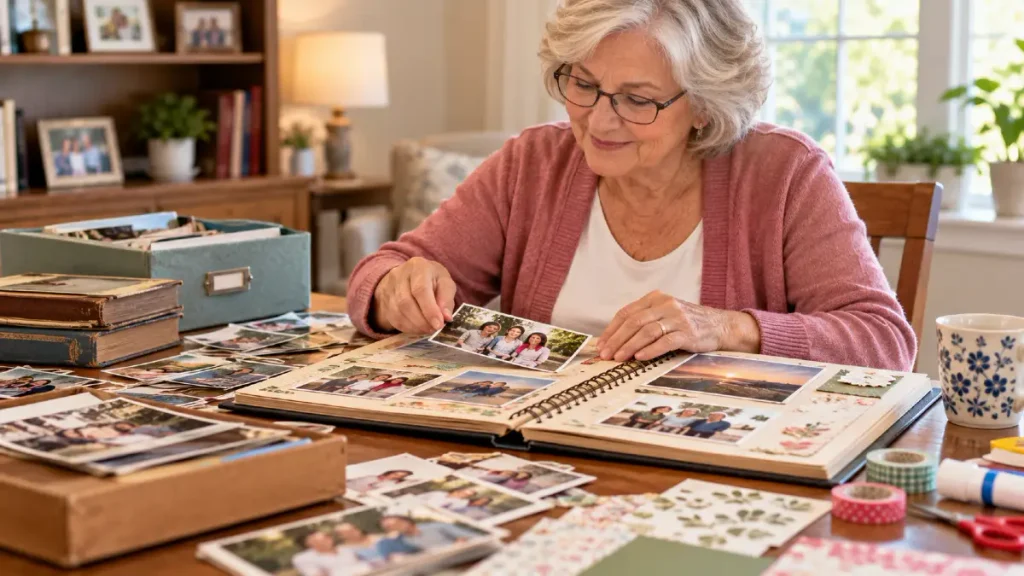
Many families have boxes of printed photographs or thousands of pictures stored on their phones. Retirement can provide the time to organize those memories.
Choose a small project rather than trying to sort every picture at once. You could make an album of favorite vacations, family celebrations, old neighborhoods, or memorable holidays.
A simple approach involves:
- Sorting: Group photographs by year, place, or occasion.
- Selecting: Keep the pictures that tell a meaningful story.
- Labeling: Add names, dates, and locations when known.
- Preserving: Store originals carefully and make digital backups.
You can create a traditional scrapbook, a printed photo book, or a digital album.
This activity works well alone, but relatives and old friends may enjoy helping identify people or places in older photographs.
10. Go Birdwatching at a Nearby Park
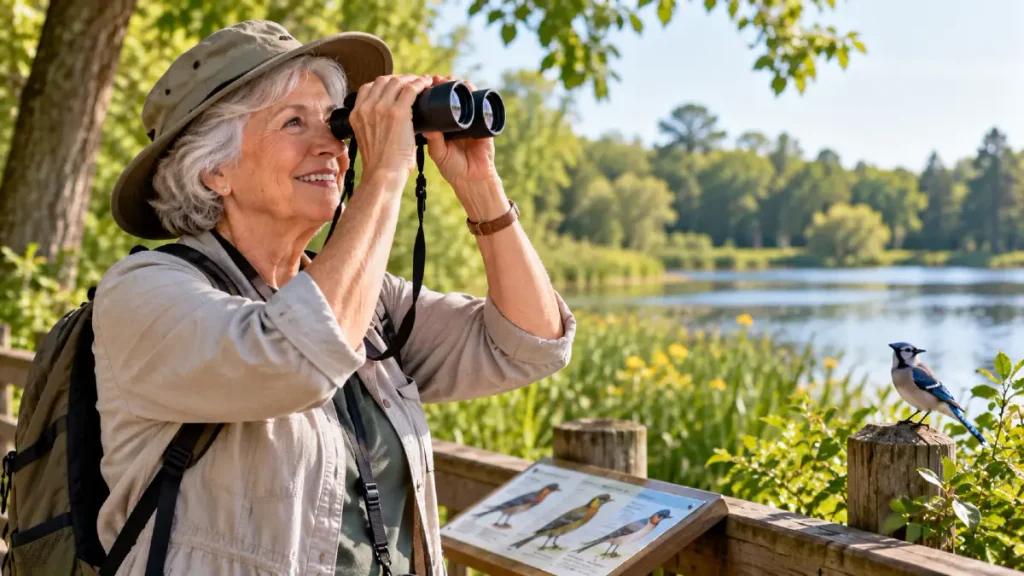
Birdwatching gives ordinary walks a new purpose. Instead of focusing on distance, you spend time noticing birds, their calls, and the places they visit.
A neighborhood park, nature trail, or even a backyard can be a starting point. You do not need special equipment for your first outing.
Bring a small notebook and record the colors, sizes, and habits of birds you notice. A local bird guide can help you identify common species.
Binoculars are useful but optional. Many public libraries also have nature books that make it easier to recognize birds in your region.
People who cannot visit parks regularly can watch birds from a window or balcony. A suitable bird feeder may attract visitors where local rules and wildlife guidance allow it.
11. Cook One New Recipe Every Week

Cooking can become more enjoyable when there is time to experiment without the pressure of a busy workday.
Choose a recipe you have never made or revisit a favorite dish from your childhood. It might be homemade soup, fresh bread, a vegetable dish, or a meal inspired by another country.
Begin with recipes that use familiar ingredients and basic kitchen tools. There is no need to purchase special equipment for every new dish.
Trying one recipe each week also creates a simple activity you can plan and look forward to.
For households of one or two people, smaller recipes may help reduce food waste. You can also prepare extra portions for future meals when they can be stored safely.
If you follow a special diet, keep your healthcare professional’s recommendations in mind when selecting recipes.
12. Organize a Monthly Board Game Night
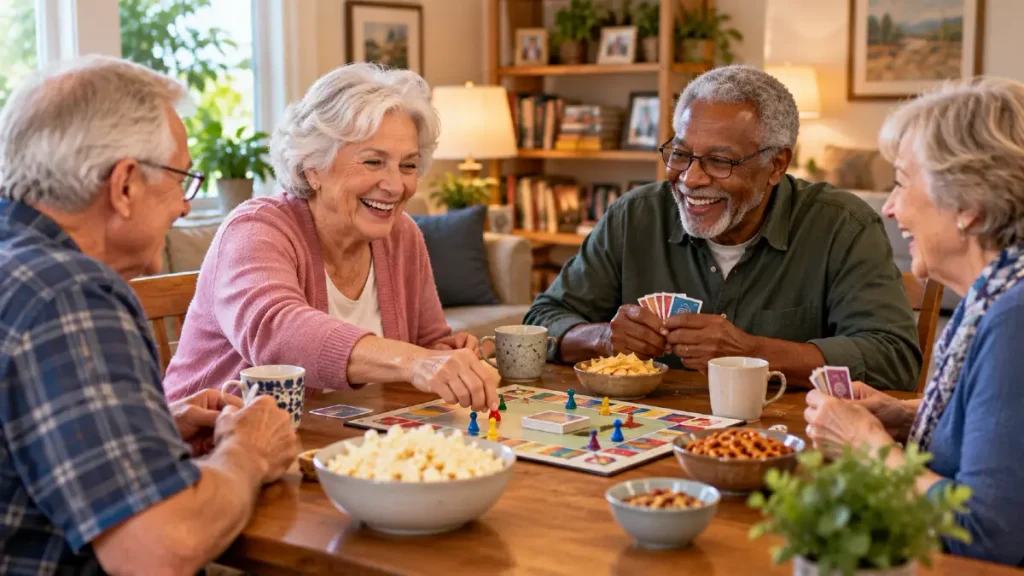
Board games offer an affordable way to spend an evening with friends, neighbors, or relatives.
You can play familiar card games, dominoes, chess, or newer board games. The best choice depends on the group’s interests rather than the players’ ages.
A monthly gathering may be easier to maintain than a weekly event, especially when people have different schedules.
| Group Size | Game Setup | Comfort Consideration |
|---|---|---|
| 2 people | Chess, checkers, cards | Good lighting |
| 3–4 people | Dominoes or card games | Comfortable seating |
| 5–6 people | Team games or trivia | Clear, easy-to-hear instructions |
| Remote group | Online board or card games | Simple setup and practice |
Rotate hosting duties when possible so one person does not handle all the work.
If holding physical cards or reading small print is uncomfortable, look for larger-print decks or games with easier-to-handle pieces.
An enjoyable game night does not require elaborate decorations or a full dinner. A few snacks and relaxed conversation are enough.
13. Visit Local Museums and Historic Homes
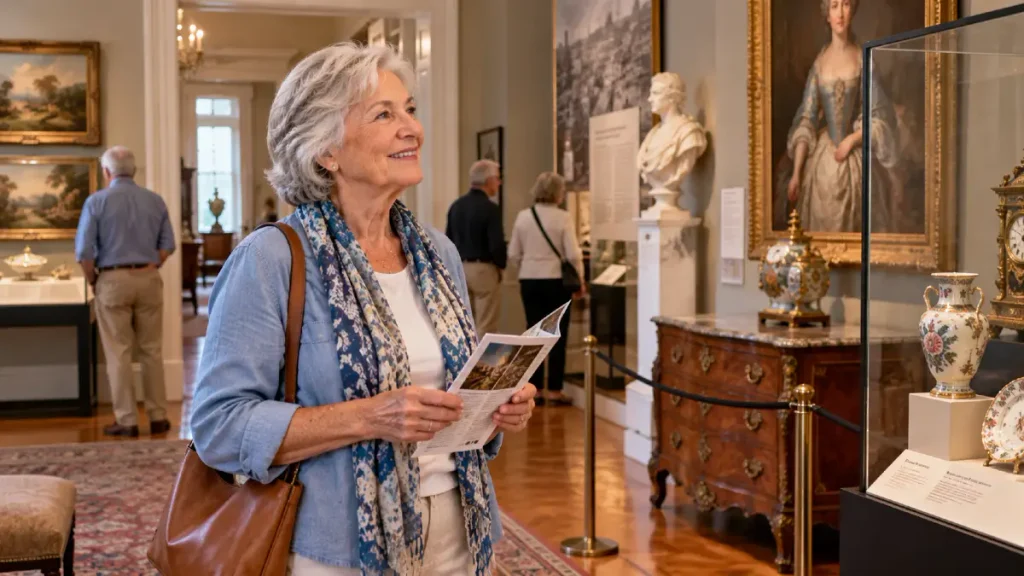
Retirement creates more opportunities to explore places you may have passed for years without visiting.
Local history museums, art galleries, historic homes, and cultural centers often have exhibits worth seeing. Some also offer guided tours, lectures, or workshops.
Start by looking for places within a short distance of home. You may discover that a nearby town has a small museum devoted to local industries, railroads, art, or community history.
Check admission prices before visiting. Some institutions offer free days, reduced admission for older adults, or special rates for local residents.
For a more comfortable outing, check parking, seating, restroom access, and walking distances in advance.
Visiting one new cultural attraction each month can gradually turn into an enjoyable retirement tradition.
14. Tutor Students at a Library or Local School
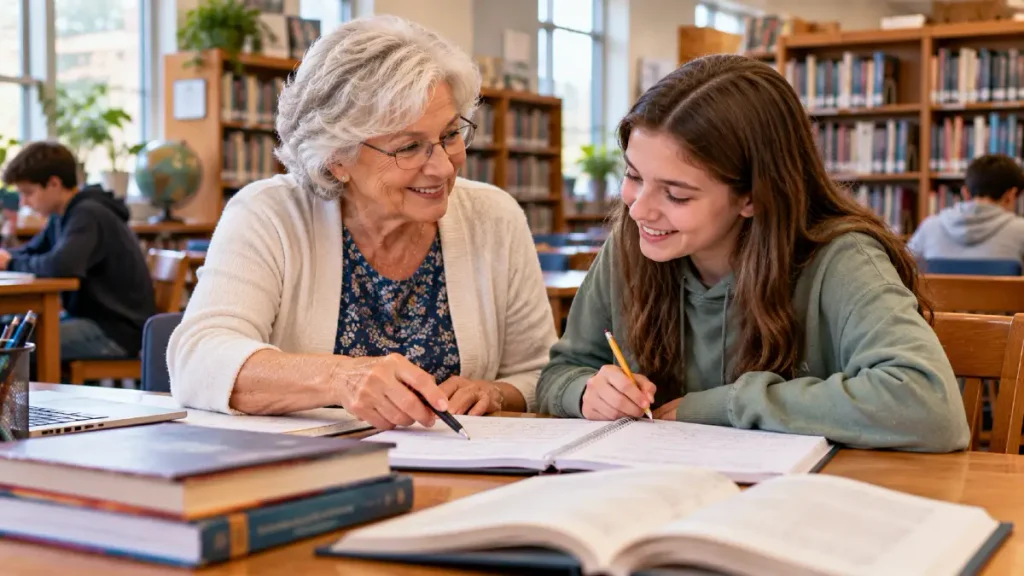
Retirement can be a good time to share knowledge with younger people.
Schools, libraries, literacy organizations, and community nonprofits sometimes seek volunteers to help students practice reading, complete assignments, or develop basic skills.
You do not need to be a retired teacher for every role. Some programs welcome volunteers who are patient, reliable, and comfortable supporting learners.
Start by contacting a local organization and asking what training or background checks are required.
A regular tutoring session provides a reason to prepare, show up, and contribute. It can also provide the satisfaction of helping someone develop a useful skill.
Choose a schedule that fits your energy and other commitments. Even a small weekly contribution can be meaningful without taking over your retirement.
15. Learn to Play a Musical Instrument
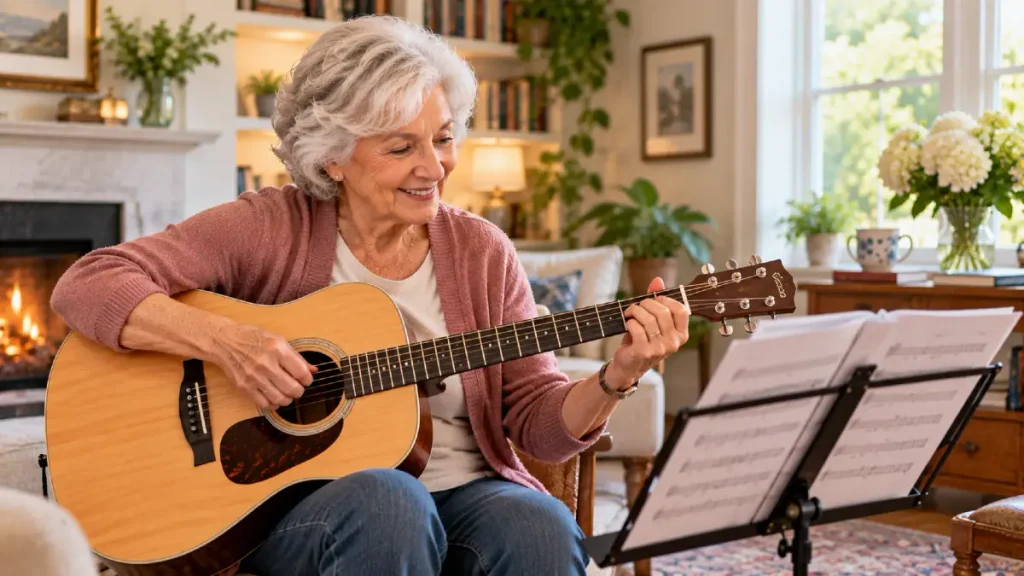
Learning an instrument can bring a new kind of enjoyment to everyday retirement life. You can practice at home, follow beginner lessons, and gradually build your skills.
A keyboard, guitar, ukulele, or harmonica may be a good starting point, depending on your interests and budget. Some instruments are easier to store or transport than others.
Before buying anything expensive, ask whether a local music store offers rentals. Used instruments can also be worth considering if they are in good condition.
Try practicing for 15 minutes on several days each week. Short, regular sessions may feel more manageable than a long practice session.
You do not need to perform for an audience to enjoy music. Playing a familiar tune for yourself can be satisfying enough.
16. Explore National Parks and Nature Preserves

Spending time in nature is a pleasant way to break up the weekly routine. National parks, state parks, botanical gardens, and wildlife preserves offer different experiences throughout the year.
Some visitors enjoy longer trails, while others prefer scenic drives, accessible overlooks, visitor centers, or short walks.
You can plan an outing around the weather and your preferred activity level.
For U.S. citizens and permanent residents age 62 and older, the National Park Service offers annual and lifetime Senior Pass options for participating federal recreation areas.
Before visiting, check:
- Entrance costs: Whether admission fees or passes are required.
- Accessibility: Availability of paved paths, accessible restrooms, and parking.
- Weather: Temperature, rain, and seasonal conditions.
- Facilities: Seating, drinking water, and visitor services.
There is no need to travel across the country to enjoy nature. A nearby state park or local preserve can be just as enjoyable for a quiet afternoon.
17. Help With a Local Community Theater Production

Community theater is not only for people who enjoy acting. Productions also need volunteers who can organize costumes, help with tickets, prepare props, and support backstage work.
This makes theater an interesting retirement activity for people who like creative projects and working with others.
Contact a local theater group and ask whether they welcome new volunteers. Some roles require experience, while others can be learned through basic instruction.
Productions often involve rehearsals and scheduled performances, so check the time commitment before agreeing.
You may enjoy helping build a production over several weeks and then watching the finished performance.
For people who miss working as part of a team, community theater can offer a familiar sense of shared responsibility without requiring paid employment.
18. Work on Crossword Puzzles or Jigsaw Puzzles Each Morning
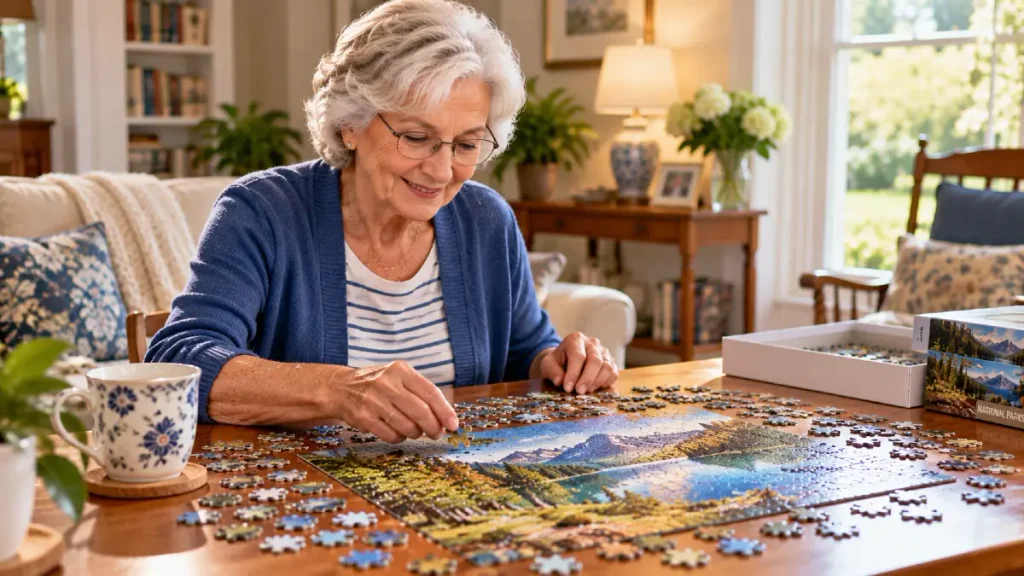
Puzzles offer a simple activity for days when you prefer staying indoors. They are easy to fit into a quiet morning or afternoon.
Crossword puzzles, word searches, sudoku, and jigsaw puzzles each provide a different kind of challenge.
Choose puzzles that match your interests and current comfort level. A difficult puzzle should feel interesting rather than frustrating.
You can try:
- Crosswords: For vocabulary and general knowledge.
- Sudoku: For working through number patterns.
- Jigsaw puzzles: For arranging shapes and visual details.
- Logic puzzles: For solving problems using clues.
The National Institute on Aging notes that research into brain-training activities is still developing. Ordinary puzzles can be enjoyable and mentally engaging, but they should not be viewed as a proven way to prevent dementia.
Larger-print puzzle books and larger jigsaw pieces are available for people who prefer easier-to-see materials.
19. Attend a Beginner Tai Chi Class

Tai chi combines slow, controlled movements with breathing and concentration. It can be an appealing activity for retirees who prefer gentle, structured exercise.
Classes are sometimes available through senior centers, community colleges, recreation departments, and wellness programs.
A beginner instructor can explain the movements and offer modifications. Some programs include seated options for participants who need them.
Start with a class that clearly welcomes beginners rather than joining an advanced group.
Tai chi can help improve balance and physical function for many older adults, although individual results vary. People with balance problems, recent injuries, or other health concerns should ask a healthcare professional about suitable activities.
Regular classes also provide a reason to leave the house and become familiar with other participants.
20. Restore or Refresh a Small Piece of Furniture
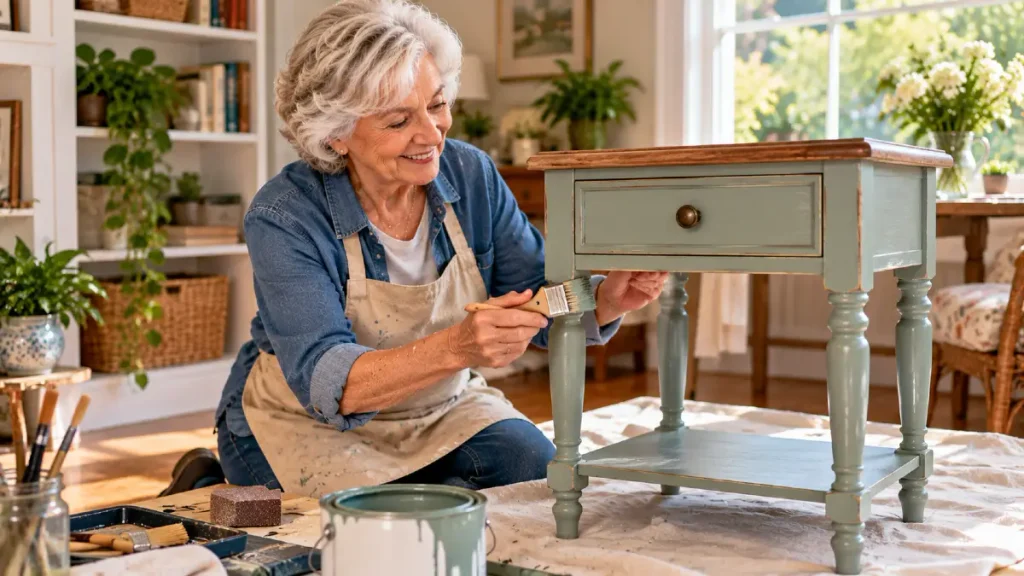
A simple furniture project can turn an ordinary afternoon into something productive.
You might refresh an old wooden stool, change the hardware on a cabinet, or repair a small table. These projects provide a chance to work with your hands and enjoy a visible result.
Start with something inexpensive that does not require advanced tools or major repairs.
| Project | Beginner Task | Main Supplies |
|---|---|---|
| Small wooden stool | Clean and repaint | Brush, suitable paint |
| Bedside table | Replace drawer handles | Screwdriver, new hardware |
| Wooden picture frame | Refinish the surface | Sanding supplies, finish |
| Bookshelf | Add removable shelf liner | Liner, measuring tape |
| Storage basket | Clean and decorate | Fabric or ribbon |
Working in a ventilated area is important when using paints, adhesives, or finishing products. Follow product instructions, and avoid sanding or disturbing old paint if it may contain lead.
A small project may take an afternoon or several short sessions.
The satisfaction comes from completing something useful without creating a long list of unfinished repairs.
21. Take Up Smartphone Photography

Photography is a retirement hobby that can begin with a device you may already own.
You can photograph flowers, architecture, pets, changing seasons, or interesting details around your neighborhood. There is no need to purchase an expensive camera.
Choose one subject to practice each week. For example, spend a few days photographing morning light, then try taking pictures of local buildings.
Learning basic photography skills can make ordinary walks more interesting.
A library class or online beginner lesson may help you understand framing, lighting, and simple photo editing.
You can keep your photographs in private digital albums, print a few favorites, or share them with friends.
If photographing other people, respect their privacy and ask permission when appropriate.
22. Join a Community Choir or Singing Group

Singing groups provide a regular activity that combines music, conversation, and teamwork.
Many communities have choirs connected to recreation centers, places of worship, colleges, or local arts organizations.
Some groups require auditions, while others welcome singers with little experience. Ask about expectations before joining.
Weekly rehearsals give participants time to learn songs and work toward a shared performance.
You may enjoy the activity even if you have never considered yourself a strong singer. The right group should feel welcoming and suit your musical interests.
For retirees who prefer music without a formal performance schedule, informal singing circles may offer a more relaxed choice.
23. Learn a New Language With a Conversation Group

Learning another language can add variety and a sense of progress to retirement.
You might choose Spanish, French, Italian, or another language because of family connections, travel plans, or personal interest.
Begin with everyday words and phrases rather than complicated grammar.
Public libraries, community colleges, language clubs, and online classes may offer beginner lessons.
Conversation groups can make the experience more social. Participants practice speaking together without expecting everyone to be fluent.
Try learning a few useful phrases each week, then practice them during a short study session.
Language learning is not limited to preparing for international travel. It can be an enjoyable skill-building activity in its own right.
24. Take a Short Day Trip to a Nearby Town

Travel after retirement does not have to involve airports, expensive hotels, or long journeys.
A day trip to a nearby town can provide a change of scenery without requiring an overnight stay.
Look for small downtown areas, scenic train routes, local markets, historic districts, or waterfront attractions.
Planning ahead can help keep costs and travel demands manageable.
| Day Trip Idea | Suggested Time | What to Check |
|---|---|---|
| Nearby historic town | Half or full day | Parking and walking distances |
| Scenic train ride | Several hours | Timetable and ticket price |
| Botanical garden | 2–3 hours | Weather and accessible paths |
| Local farmers market | 1–2 hours | Market dates and transport |
| Small coastal or lakeside town | Full day | Rest stops and seasonal hours |
Public transportation or an organized group trip may be useful if you prefer not to drive.
For longer outings, allow time for meals, breaks, and unexpected delays. Check accessibility and any needed medical arrangements before leaving.
Choosing one destination each month gives you something to research, plan, and look forward to.
25. Attend Free Events at a Community Center
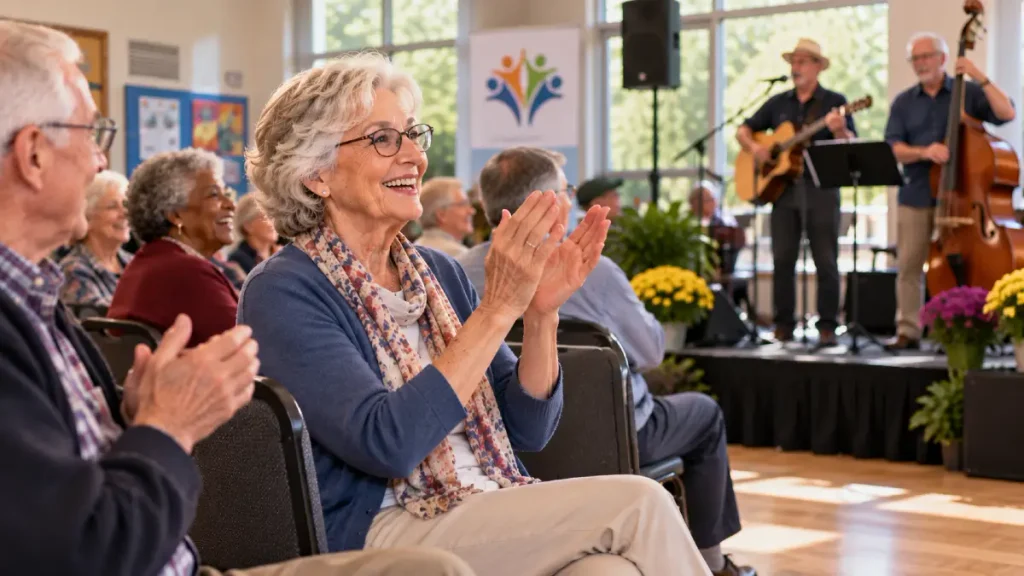
Community centers often provide affordable activities that can fit into retirement schedules.
Depending on the area, events may include art workshops, movie afternoons, educational talks, fitness classes, and social gatherings.
Many public libraries also host events for adults, including reading groups and practical workshops.
To find suitable activities, check:
- Public libraries: Event calendars and adult learning programs.
- Community centers: Recreation classes and social gatherings.
- Local colleges: Public lectures and cultural events.
- City recreation departments: Seasonal activities and workshops.
Some events require registration even when admission is free. Others have limited seating or charge small materials fees.
Try attending one event before committing to a longer program.
If transportation is a concern, ask about nearby bus routes, accessible transit, or community transportation services.
26. Try Flexible Part-Time Work

Not everyone wants to stop working completely after retirement.
Some people enjoy having a small job because it provides routine, social contact, and additional income. Others prefer the independence of working only a few hours each week.
Possible roles include working at a local shop, helping with administrative tasks, tutoring, or assisting at a community attraction.
Before accepting a position, consider the schedule, physical demands, transportation costs, and whether the work will interfere with other retirement plans.
Employment income is generally taxable. In the United States, earnings may also affect Social Security retirement benefit payments for people receiving benefits before reaching full retirement age, depending on their earnings.
The Social Security Administration and IRS provide the current rules, which should be checked for your situation.
Be cautious about online job offers promising unusually high pay for little work. The Federal Trade Commission warns that requests for upfront payments or sensitive financial information can be signs of employment scams.
Part-time work should be a choice that fits your retirement goals, not an obligation to remain constantly busy.
27. Write Down Family Stories and Personal Memories
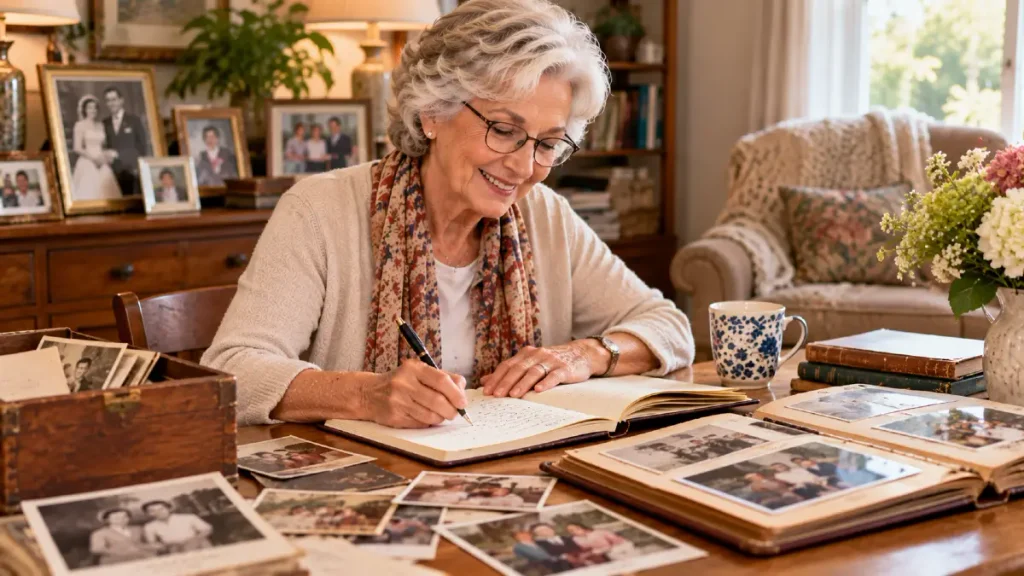
Retirement may offer time to record stories that have been shared at family gatherings but never written down.
You can begin with memories of your childhood neighborhood, school days, favorite traditions, or places you once lived.
There is no need to write a complete autobiography.
Start with one topic and spend a little time recording what you remember. You might prefer handwriting in a notebook, typing on a computer, or recording your voice.
Possible subjects include a memorable holiday, lessons learned from an older relative, or how your hometown has changed.
These stories can remain private or become something you choose to share with relatives and friends.
The process can also be enjoyable for its own sake. Writing gives you a quiet project that can continue at your own pace.
28. Take a Beginner Dance Class

Dancing is a lively way to bring music, movement, and social activity into retirement.
Depending on local availability, you might try ballroom dancing, line dancing, folk dancing, or another style that interests you.
Look for beginner classes that explain each movement clearly and allow participants to learn at a comfortable pace.
You do not always need a partner. Many line dance and group dance programs welcome individuals.
Dance classes vary widely in physical effort, so ask about the pace, floor surface, and available modifications before enrolling.
Some people enjoy attending regularly, while others prefer occasional community dances.
If you have health concerns that affect movement or balance, speak with your healthcare professional before starting.
The main attraction is the chance to enjoy music, learn something new, and spend time with other people.
Start Building a Retirement Routine That Fits Your Life
A satisfying retirement does not require a full calendar, expensive hobbies, or constant activity. Quiet mornings and unplanned afternoons deserve a place alongside social events, projects, and adventures.
Choose one activity from this list and put it on your calendar for next week. Give yourself a chance to try it before deciding whether it deserves a regular place in your retirement routine.
Frequently Asked Questions
What Are the Best Free Things to Do After Retirement?
Walking, reading library books, volunteering, birdwatching, and attending free community events are good places to begin. Many public libraries and recreation departments also offer free or low-cost activities. Local availability varies, so check programs in your area before making plans.
How Can I Stay Busy After Retirement Without Feeling Exhausted?
Choose a small number of regular activities and leave enough time for rest. It may help to alternate active days with quieter hobbies at home. A satisfying retirement schedule should match your energy, responsibilities, and personal interests rather than keep you occupied every hour.
What Can Retirees Do for Fun if They Cannot Drive?
Home-based hobbies such as painting, cooking, puzzles, music, and online classes can provide enjoyable ways to spend time. Local libraries, community organizations, and senior centers may also offer accessible events or transportation options. In the United States, the Eldercare Locator can help identify local services for older adults.
What Should I Do if I Feel Bored or Unhappy After Retirement?
Begin by adding one activity that gives you something to look forward to and one regular opportunity to connect with another person. Adjusting to retirement can take time, particularly after years of a structured work routine. If sadness, loss of interest, or low mood continues or affects everyday life, speak with a healthcare professional rather than assuming it is simply boredom.