


Leaving a long career can create a strange gap between having more freedom and knowing what to do with it. Many women also find that old routines and expectations no longer fit their lives.
Without a plan, entire weeks can fill with errands, family requests, or too much time at home. Even a comfortable retirement may feel less satisfying when there is little room for friendships, discovery, and personal goals.
These 23 ways women are redesigning life after retirement offer practical ideas for building new habits, trying different experiences, managing money, and enjoying greater choice over how each day unfolds.
1. Build a Weekly Schedule That Leaves Room for Freedom

One of the biggest changes after retirement is no longer having a workplace schedule. Some women enjoy that freedom immediately, while others miss having a clear reason to start their day.
A simple weekly planner can bring structure without making retirement feel like another job. Set aside time for exercise, friends, household tasks, and personal interests.
| Day | Main Activity | Flexible Time |
|---|---|---|
| Monday | Morning walk | Reading or errands |
| Tuesday | Volunteer shift | Relax at home |
| Wednesday | Hobby class | Coffee with a friend |
| Thursday | Grocery shopping | Gardening |
| Friday | Community activity | Personal projects |
Leave some days partly open. A retirement schedule should support the activities you enjoy, not create another long list of obligations.
2. Join a Neighborhood Walking Group

Walking groups offer a simple way to combine exercise with friendly conversation. Many communities organize group walks through recreation centers, parks, neighborhood associations, and local organizations.
Some retired women enjoy meeting the same people each morning. Others prefer a weekly gathering that fits around travel, family visits, or other commitments.
The National Institutes of Health recognizes meaningful social connections as an important part of healthy aging. Regular group activities can help people maintain those connections after leaving work.
Start with a comfortable walking distance and a group that matches your pace. If longer walks are difficult, shorter accessible routes or indoor walking groups may be better options.
3. Take a Strength and Balance Class

Retirement can provide more time to focus on physical activities that support everyday independence.
Community recreation centers, gyms, and fitness studios may offer classes that combine gentle strength training, balance exercises, and stretching.
The CDC recommends that adults age 65 and older aim for at least 150 minutes of moderate aerobic activity each week, along with muscle-strengthening activities on two days and activities that improve balance.
| Activity | Main Focus | Possible Adaptation |
|---|---|---|
| Resistance training | Muscle strength | Light weights or bands |
| Tai chi | Balance and control | Modified movements |
| Water aerobics | Aerobic fitness | Shallow-water class |
| Chair-based exercise | Seated movement | Instructor-led adjustments |
Women who are new to exercise can begin with a beginner class and increase activity gradually. Anyone with medical concerns or balance problems should discuss suitable exercises with a healthcare professional.
The goal is to find movement that feels manageable and enjoyable enough to continue.
4. Volunteer at a Local Food Bank or Community Organization

Many women spend years supporting workplaces and households. After retirement, volunteering can offer a different way to use their time and experience.
Food banks, libraries, animal shelters, hospitals, and neighborhood nonprofits may need help with everyday operations.
The AmeriCorps Seniors RSVP program connects adults age 55 and older with volunteer opportunities in participating American communities.
Before committing, consider:
- Time: Would a weekly shift or occasional event work better?
- Physical tasks: Does the work involve lifting, standing, or walking?
- Transportation: Is the location easy to reach?
- Responsibilities: Can you change your schedule when necessary?
Start with one short volunteer commitment rather than accepting several positions immediately.
Volunteering should offer a meaningful experience without becoming another demanding work schedule.
5. Enroll in a Lifelong Learning Class

Returning to a classroom does not always mean pursuing a degree. Many retired women are taking classes simply because they want to understand something new.
Community colleges, public libraries, universities, and adult education programs offer learning opportunities in subjects such as history, photography, languages, literature, and computers.
The Osher Lifelong Learning Institutes, for example, provide noncredit educational programs designed for adults age 50 and older at participating colleges and universities.
Some programs involve membership fees, while public libraries may offer free workshops.
Choose a subject that interests you rather than one that seems especially practical. A weekly class can also provide regular social contact and a reason to explore a new part of town.
6. Start a Monthly Book Club With Friends

A book club gives reading a social purpose without requiring a complicated schedule.
Some groups meet in members’ homes, while others gather at libraries, coffee shops, or community centers. Virtual meetings are another option when members live far apart.
A monthly meeting often works better than a weekly one because everyone has enough time to finish the book.
Begin with four or five interested readers and agree on a simple format. Rotating book choices allows members to introduce different authors and subjects.
Libraries can help reduce the cost of buying books. Large-print books and audiobooks also make participation easier for readers with different preferences or needs.
7. Make Regular Coffee and Lunch Dates Part of Retirement

Work often provides casual conversation throughout the day. After retirement, those everyday connections may become less frequent.
Some women are replacing workplace chats with planned coffee dates, lunches, or afternoon visits. These small gatherings can help friendships remain active without requiring expensive outings.
| Social Plan | Budget-Friendly Option | Flexible Alternative |
|---|---|---|
| Coffee date | Coffee at home | Phone conversation |
| Lunch with friends | Shared homemade lunch | Short park visit |
| Group outing | Free community event | Library gathering |
| Long-distance catch-up | Video call | Scheduled phone call |
Consider setting one recurring date each month with a friend or small group.
The National Institute on Aging explains that loneliness and social isolation are different experiences. A person can enjoy living alone while still benefiting from regular, meaningful connections.
The important part is choosing the amount of social time that feels right for you.
8. Grow Herbs and Flowers in a Patio Garden

Gardening does not require a large backyard or a collection of expensive tools.
Women living in apartments, townhomes, and smaller houses can grow herbs, flowers, or vegetables in containers. A sunny balcony, patio, or suitable windowsill may provide enough space for a small project.
Start with two or three plants suited to your local climate and growing conditions. Basil, parsley, and mint are common herbs to consider, although their light and water needs differ.
Container gardening also allows you to experiment before investing in raised beds or larger equipment.
Choose lightweight containers, keep frequently used tools within easy reach, and consider raised planters if bending is uncomfortable.
A small garden can become an enjoyable daily routine without taking over the entire week.
9. Learn Watercolor Painting or Pottery

Creative hobbies provide room to experiment without the pressure of producing something perfect.
Watercolor painting is a popular starting point because basic supplies are portable and do not require a dedicated studio.
Pottery offers a different experience, with hands-on instruction often available through local art centers and community colleges.
Neither hobby requires previous artistic experience.
A beginner watercolor setup might include a small paint set, brushes, and suitable paper. Pottery classes usually have higher costs because they may include clay, equipment, firing, and studio time.
Consider trying one introductory class before purchasing expensive supplies.
The finished artwork does not need to be displayed or sold. Enjoying the process can be reason enough to keep going.
10. Take Short Day Trips to Nearby Towns

Not every retirement adventure needs a plane ticket or a long hotel stay.
Day trips are becoming a practical way for women to explore places they may have overlooked while working.
Historic downtowns, botanical gardens, museums, scenic drives, and small-town markets can provide an enjoyable change of scenery.
Choose a destination within a comfortable travel distance and plan one main activity rather than filling the day with stops.
Women who prefer company can invite a friend, join an organized outing, or travel with a local group.
Those who enjoy independent travel can begin with familiar routes and gradually explore farther away.
Check transportation, parking, accessibility, weather, and opening hours before leaving home.
11. Set Aside Money for a Bigger Travel Goal

For some women, retirement creates an opportunity to visit places they have wanted to see for years.
That might mean exploring a national park, visiting family overseas, taking a train journey, or spending time in a different country.
A separate travel savings fund can make planning easier without mixing vacation money with routine living expenses.
| Travel Goal | Expenses to Plan For | Budget Consideration |
|---|---|---|
| Weekend getaway | Lodging, meals, transportation | Weekday prices may differ |
| National park visit | Travel, lodging, entrance fees | Accessibility and shuttle needs |
| Cruise vacation | Fare, transportation, excursions | Extra charges and insurance |
| International trip | Airfare, lodging, medical coverage | Currency changes and cancellations |
Travel insurance deserves attention, especially for expensive or international trips. Original Medicare generally provides very limited coverage for medical care outside the United States.
Before booking, compare cancellation rules and check whether your health coverage meets the needs of your destination.
A carefully planned trip can be enjoyable without placing unnecessary pressure on retirement savings.
12. Choose Flexible Part-Time Work Instead of Full-Time Employment

Leaving a career does not mean everyone wants to stop earning money.
Some retired women enjoy working a few hours each week, especially when the job offers social contact, personal satisfaction, or extra spending money.
Popular possibilities include:
- Library or museum work: Helping visitors or supporting daily operations.
- Freelance services: Writing, bookkeeping, editing, or administrative work.
- Seasonal employment: Working during holidays or busy tourism periods.
- Local business support: Helping small businesses with customer service or office tasks.
Before accepting a position, ask about scheduling, physical demands, transportation, and required training.
In the United States, paid work can affect Social Security benefits before full retirement age if earnings exceed the applicable limit. Freelance and other self-employment income may also create tax obligations.
Choose a role that fits your preferred retirement lifestyle rather than rebuilding the same demanding schedule you recently left.
13. Become a Mentor to a Student or Young Professional

Years of work and life experience can be useful to people who are just beginning their careers or education.
Mentoring allows retired women to share practical knowledge while staying connected to different generations.
Schools, colleges, professional associations, and community organizations may offer mentoring programs.
Some mentors help students practice interviews or prepare resumes. Others support young professionals who are learning how to manage workplace challenges.
Choose an organized program that explains its expectations, screening requirements, and meeting arrangements.
Mentoring can be especially appealing to women who enjoy meaningful conversations but do not want a physically demanding volunteer role.
The time commitment can vary from occasional meetings to regular sessions throughout the year.
14. Create a Monthly Budget That Matches Your New Lifestyle

Retirement often changes both household income and spending patterns.
Commuting expenses may decrease, but travel, healthcare, home maintenance, and hobbies can create different costs.
A retirement budget should reflect how you actually want to spend your time.
Begin by reviewing bank statements and household bills from the past few months. Separate necessary expenses from optional activities and irregular costs.
Include money for:
- Housing, food, utilities, and transportation.
- Healthcare, dental care, and prescriptions.
- Home repairs and unexpected expenses.
- Travel, hobbies, entertainment, and family gifts.
The Consumer Financial Protection Bureau encourages people to track income, expenses, and financial obligations when creating a realistic spending plan.
Keep emergency savings separate from money intended for vacations or hobbies.
For decisions involving retirement account withdrawals, taxes, or investment changes, consider guidance from a qualified financial professional.
15. Review Social Security and Medicare Before Making Major Changes

Retirement offers more freedom, but certain financial and healthcare decisions still require careful timing.
Women in the United States may need to review Social Security claiming options, Medicare enrollment, health insurance, and retirement income before making major lifestyle changes.
Social Security retirement benefits can generally begin at age 62. Starting early reduces the monthly benefit compared with claiming at full retirement age, while delaying can increase it up to age 70.
Medicare eligibility generally begins at age 65, and enrollment rules are separate from Social Security retirement benefit rules.
| Life Event | What to Review |
|---|---|
| Before claiming Social Security | Monthly benefits at different starting ages |
| Approaching age 65 | Medicare enrollment dates and coverage choices |
| Leaving employer health coverage | Eligibility for a Medicare Special Enrollment Period |
| Returning to paid work | Taxes and possible Social Security earnings rules |
Medicare’s initial enrollment period usually lasts seven months around a person’s 65th birthday.
People who qualify because they had health coverage through current employment may have an eight-month Special Enrollment Period for Medicare Part B after that employment or coverage ends, whichever happens first. COBRA and retiree coverage do not extend that deadline.
Review these choices before making decisions that could affect long-term income or insurance coverage. Rules differ outside the United States.
16. Refresh Your Home for Your Retirement Lifestyle

A home arranged around a busy work schedule may no longer serve the same purpose after retirement.
Some women are creating reading corners, organizing hobby supplies, rearranging furniture, or turning unused rooms into comfortable personal spaces.
A retired woman who enjoys painting might move supplies into a bright corner near a window. Someone who reads often could create a quiet area with a supportive chair and good lighting.
Small improvements may also make everyday tasks easier.
The National Institute on Aging recommends considering home features such as secure flooring, clear walkways, good lighting, and suitable bathroom safety equipment.
Begin with changes that solve current problems rather than starting an expensive renovation.
Renters can focus on portable furniture, storage, lighting, and improvements permitted by their lease.
17. Explore a New Neighborhood Before Deciding to Move

Some women use retirement to reconsider where they want to live.
A smaller home, walkable neighborhood, or location closer to friends may be appealing. Others prefer staying in the community they already know.
Moving, however, can affect finances, transportation, healthcare access, and social connections.
Before making a decision, spend time exploring potential neighborhoods at different hours of the day.
Visit grocery stores, parks, libraries, community centers, and medical facilities. Pay attention to public transportation, sidewalks, traffic, and access to everyday services.
If possible, arrange a short stay in the area before committing to a purchase or long-term lease.
A neighborhood that feels wonderful during a weekend visit may work differently during an ordinary weekday.
18. Set Clear Boundaries Around Family Responsibilities
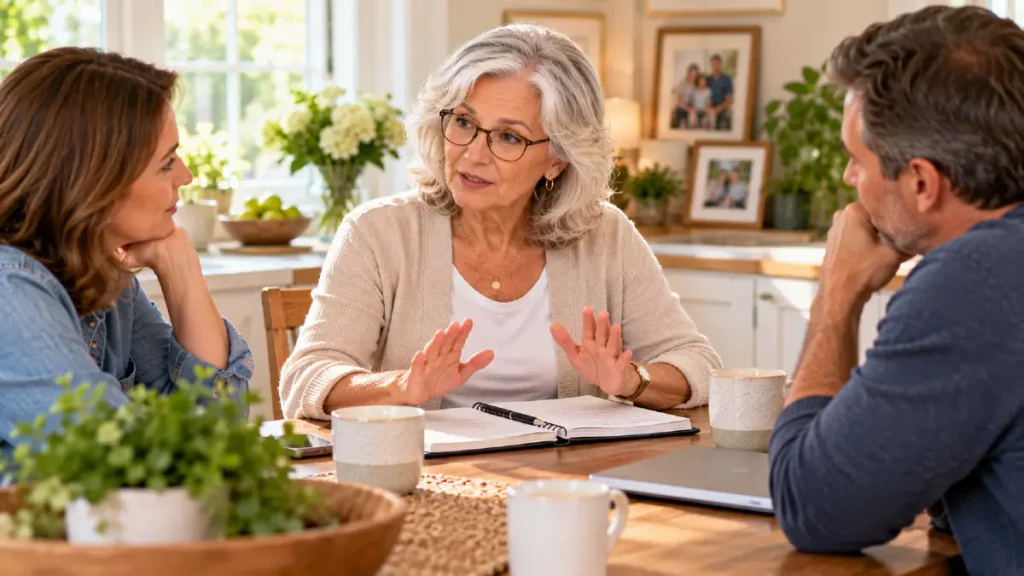
Retirement can change how family members view your availability.
Adult children, relatives, or friends may assume that someone who is no longer employed can provide regular childcare, transportation, or help with household tasks.
Many women are learning to balance family support with their own retirement plans.
Useful boundaries might include:
- Choose specific days: Offer help when it fits your schedule.
- Discuss expectations early: Explain what you can realistically manage.
- Protect personal plans: Treat classes, travel, and rest as legitimate commitments.
- Review arrangements: Change responsibilities when they become too demanding.
Some retirees enjoy caregiving and want it to remain a meaningful part of their lives. Others have already spent years caring for relatives and need more personal time.
There is no single correct balance.
Being supportive does not require being available every hour of the week.
19. Build a Simple Cooking Routine for One or Two People

Daily meals may need a different approach when household schedules change.
Women who once prepared large family dinners may enjoy experimenting with smaller portions, new recipes, or simpler meals.
Others may welcome more time to cook after years of preparing food around work commitments.
The National Institute on Aging encourages older adults to include a variety of nutrient-rich foods in their eating plans.
A little preparation can make home cooking less demanding.
| Meal Routine | Preparation Idea | Practical Benefit |
|---|---|---|
| Breakfast | Prepare overnight oats | Less morning preparation |
| Lunch | Make soup in small portions | Easy to refrigerate or freeze |
| Dinner | Roast vegetables and protein | Ingredients for several meals |
| Snacks | Wash fruit and portion nuts | Convenient ready-to-eat choices |
Try planning three or four meals before grocery shopping instead of deciding what to cook every evening.
Choose recipes that suit your preferences, food budget, and any dietary guidance from your healthcare professional.
Cooking can also become social. Occasionally inviting a friend for a homemade lunch offers a relaxed alternative to dining out.
20. Learn New Digital Skills at the Public Library

Technology can make it easier to explore interests, manage everyday tasks, and maintain relationships.
Some retired women are learning digital photography, video editing, online research, or new ways to organize personal projects.
Public libraries and community centers may offer classes covering these skills.
Good starting points include:
- Digital photography: Organize and edit pictures from your phone.
- Video calling: Stay connected with friends in other cities.
- Online learning: Take classes from home when travel is inconvenient.
- Digital safety: Recognize suspicious messages and protect accounts.
Choose one skill that serves a clear purpose.
For example, learning how to organize digital photos may help with a family album project. Video calling can make it easier to maintain long-distance friendships.
Avoid sharing passwords, financial details, or account access with unfamiliar people offering technical assistance.
Learning something new does not require becoming an expert.
21. Join a Local Arts Council or Community Committee

Retirement can offer more time to participate in decisions and activities that shape the local community.
Arts councils, neighborhood groups, park committees, and nonprofit boards sometimes welcome volunteers with different skills and backgrounds.
A woman who enjoys local history might help organize a museum event. Someone interested in community spaces could support a neighborhood improvement project.
Committee work may involve meetings, planning, outreach, or administrative responsibilities.
Before joining, ask how often the group meets and whether members are expected to take on additional tasks.
Some positions require applications, elections, or formal appointments.
Choose an organization whose goals matter to you and whose schedule fits comfortably into your life.
22. Turn Family Photographs Into a Personal Story Album
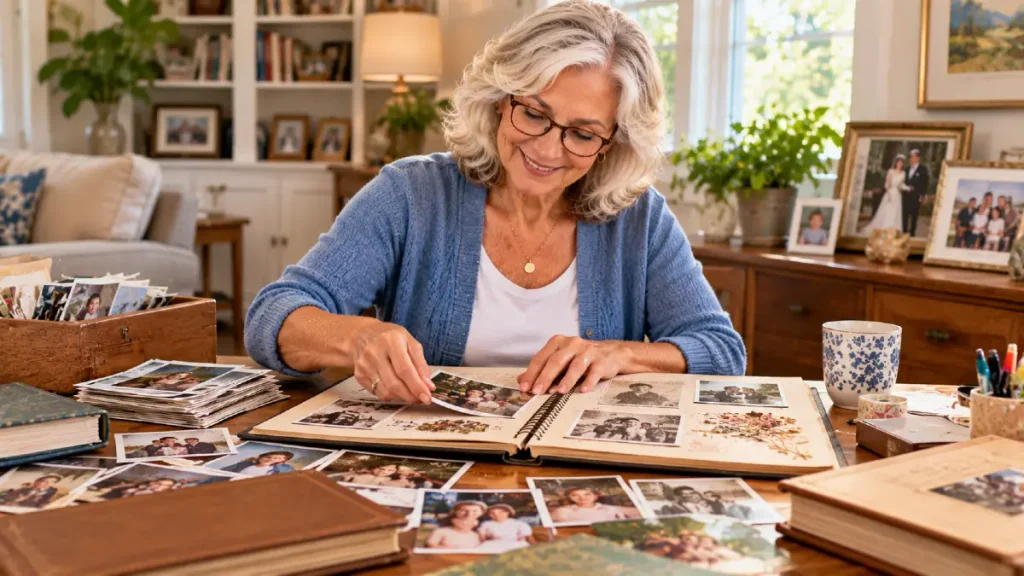
Old photographs often sit in boxes, albums, phones, or computer folders for years.
Retirement can provide an opportunity to organize those memories into something easier to enjoy and share.
Some women create printed photo books. Others build digital collections or record short stories connected to memorable pictures.
Begin with a manageable project, such as organizing photographs from one decade or one family holiday.
Add names, dates, locations, and short descriptions when those details are known.
There is no need to invent missing information or document every event.
A family story album can also be a personal project. Women without children or close relatives may enjoy preserving friendships, travel memories, pets, community experiences, or meaningful parts of their own lives.
23. Sing in a Community Choir or Local Music Group

Music groups offer another way to build a retirement routine around something enjoyable.
Community choirs, singing circles, and local music organizations may welcome adults with different experience levels.
Some groups perform at public events, while others gather mainly for recreation and social connection.
Women who sang earlier in life may enjoy returning to music. Those with little experience can look for beginner-friendly groups that do not require formal auditions.
Ask about rehearsal schedules, membership costs, and performance expectations before joining.
Transportation and evening meeting times may also affect whether a group is a practical choice.
For women who prefer instruments to singing, local beginner ensembles or informal music groups may be alternatives.
The best choice is a group where participation feels enjoyable rather than pressured.
Start With One Change That Fits Your Life
Redesigning life after retirement does not require a dramatic move, an expensive trip, or a completely new identity.
Sometimes a small change makes daily life more enjoyable. A weekly class, regular walk, new friendship, or carefully planned hobby can become part of a satisfying routine.
Choose one idea from this list and put it on your calendar for the coming week. Give yourself time to discover whether it truly fits the retirement life you want.
Frequently Asked Questions
How can a woman find purpose after retirement?
Start by identifying activities that feel rewarding, whether they involve learning, helping others, creating something, or spending time with people you care about. Purpose does not have to come from paid work or volunteering. A small personal project can be meaningful when it reflects your own interests and values.
What are inexpensive hobbies for retired women over 60?
Reading library books, walking, container gardening, birdwatching, journaling, and photography with a smartphone can be inexpensive options. Local libraries and community centers may also offer free or reduced-cost activities. Choose a hobby that matches your interests, budget, and physical abilities.
How can retired women make new friends after leaving work?
Regular group activities are often a practical starting point. Book clubs, volunteer organizations, classes, and walking groups create opportunities to see the same people over time. Friendships may develop gradually, so attending consistently can be more useful than trying many different groups once.
Is it normal to feel lost during the first year of retirement?
Yes. Leaving work can change daily routines, social relationships, and a person’s sense of identity, even when retirement was a welcome decision. Give yourself time to adjust and experiment with different activities. If sadness, anxiety, or loss of interest becomes persistent or affects daily life, speaking with a healthcare professional may help.