


At 63, a man can still feel young enough to make big plans. But time, energy, family, work, and money may no longer feel unlimited.
The difficult part is not the birthday itself. It is realizing that several decisions once pushed into “later” now deserve attention.
Social Security is available, but Medicare usually is not yet. Health setbacks can also affect independence faster than many people expect. None of this makes 63 a bad age. These nine realities show where planning now may protect more freedom later.
For a U.S. man, 63 sits in an unusual middle ground. Social Security data show that a man who reaches 63 has roughly 19.6 years of remaining life expectancy on the 2023 period life table.
1. Your Time Horizon Suddenly Feels Real

At 43, delaying a trip or personal goal for five years may not feel serious. At 63, another five years can represent a meaningful part of the active life you hope to enjoy.
That does not mean you should treat life expectancy as a countdown clock. Health, genetics, lifestyle, and personal circumstances make every person’s future different.
The better question is simpler. What meaningful part of life are you repeatedly postponing even though you already have the ability to do it?
It could be visiting an old friend, traveling, learning something new, or spending more time with family. Putting everything off until a perfect future year carries more risk at 63.
Saving still matters. But a retirement plan can become too restrictive if every enjoyable experience is delayed until some imaginary perfect moment.
2. Health Problems Can Take Freedom Faster Than Expected

A major illness is not required to change everyday life. Knee pain, a bad back, balance trouble, or recovery after surgery can quickly affect walking, driving, shopping, and travel.
The CDC recommends at least 150 minutes of moderate physical activity each week for most adults. It also recommends muscle strengthening activities on at least two days.
Individual needs can be different. Someone with pain, chronic illness, or mobility limitations may need guidance from a healthcare professional before changing activity levels.
Health also has a financial side. CareScout reported a 2025 national median price of about $35 an hour for nonmedical in home caregiving.
Here is what even limited paid assistance could cost using that national median figure.
| Paid Help | Weekly Cost at $35/Hour | Approximate Annual Cost |
|---|---|---|
| 5 hours a week | $175 | $9,100 |
| 10 hours a week | $350 | $18,200 |
| 20 hours a week | $700 | $36,400 |
| 44 hours a week | $1,540 | $80,080 |
This does not mean every 63 year old will need paid help. It shows why mobility and independence can have major financial value.
Health is also more than simply avoiding a serious diagnosis. Energy, strength, hearing, vision, sleep, and recovery can influence how freely you use your time and money.
3. Retirement at 63 Is Still a Complicated Money Decision

Being allowed to claim Social Security does not automatically mean 63 is the best claiming age. For people born in 1960 or later, claiming at exactly 63 generally pays 75% of the full retirement age benefit.
Waiting until 67 provides 100% of the full benefit amount. Waiting until 70 increases the starting percentage to 124%.
Consider a hypothetical worker whose benefit at full retirement age would be $2,400 a month. The difference between claiming ages can be substantial.
| Claiming Age | Percentage of Full Benefit | Hypothetical Monthly Benefit |
|---|---|---|
| 63 | 75% | $1,800 |
| 65 | About 86.7% | About $2,080 |
| 67 | 100% | $2,400 |
| 70 | 124% | $2,976 |
Waiting is not automatically the correct choice. Health, employment, savings, taxes, marital status, and income needs can all change the decision.
Working while claiming also deserves attention. In 2026, the earnings test limit for someone under full retirement age for the entire year is $24,480.
Social Security can withhold $1 in benefits for every $2 earned above that limit. Benefits are later recalculated at full retirement age for months affected by withholding.
The harsh reality is simple. A decision made at 63 can influence retirement income for many years.
4. Medicare Is Close, but Two Years Can Be a Long Gap

Social Security and Medicare do not normally begin at the same age. Medicare eligibility generally starts around age 65.
That creates a potential insurance gap for someone who retires at 63. Premiums, deductibles, prescriptions, and other medical costs need to be included in the retirement budget.
HealthCare.gov says people who retire before 65 and lose employer health coverage may use the Health Insurance Marketplace. Losing job based coverage can also trigger a Special Enrollment Period.
Costs vary greatly by household income, location, and plan. Premium tax credits may reduce costs for some households.
This is why asking, “Can I afford to retire at 63?” requires more than comparing Social Security with regular household bills. Health insurance can change the answer.
People approaching 65 should also check how Medicare enrollment applies to their own situation. Automatic enrollment does not work the same way for everyone.
5. Family Can Become More Important Just as It Becomes Smaller

Family gatherings can look very different at 63 than they did at 35. Parents may be older, siblings may live far away, and adult children may have busy families of their own.
Loss can also shrink a once familiar circle. At the same time, caregiving responsibilities may increase.
AARP and the National Alliance for Caregiving reported in 2026 that about 51 million Americans provided care to someone age 50 or older in 2025. Caregivers averaged roughly 26 hours of help each week.
That does not mean every 63 year old becomes a caregiver. It does show how retirement planning can overlap with aging parents, spouses, adult children, and grandchildren.
Relationships also require effort. Decades of history do not automatically guarantee decades of closeness.
Make the phone call and plan the visit. Ask older parents what kind of help they actually want instead of waiting for a crisis.
Spend time with adult children without assuming they will always be free later. Time with family can become more valuable because future opportunities are never guaranteed.
6. Male Friendships Do Not Maintain Themselves

Many men at 63 have active and satisfying social lives. Living alone also does not automatically mean someone feels lonely.
Still, friendship deserves deliberate attention. AARP’s 2025 loneliness research found that 42% of male respondents age 45 and older reported loneliness.
The same research found loneliness tended to decrease with age. That matters because getting older itself does not automatically create isolation.
Work can hide the weakness of a social network. Colleagues may feel like close friends partly because people see one another five days a week.
Retirement can remove that automatic contact almost overnight. A useful question is, “If work disappeared tomorrow, whom would I still see?”
A walking group, hobby club, volunteer role, faith community, or regular breakfast can provide structure. So can a standing weekly call with a longtime friend.
The goal is not to fill every hour with social activity. It is to make important relationships intentional instead of accidental.
7. Leaving Work Can Remove More Than a Paycheck

Retirement often removes commuting, alarms, meetings, and deadlines. It can also remove structure, identity, daily conversation, and the feeling of being needed.
That change can surprise people who spent decades focusing mainly on the financial side of retirement. A strong portfolio cannot automatically replace a meaningful weekday routine.
Bureau of Labor Statistics data show that 63.8% of U.S. men ages 60 to 64 were still in the labor force in 2025. That means complete retirement at 63 is far from universal.
One friend may retire at 61 while another works until 70. Another may continue part time because he enjoys the work rather than because he needs every paycheck.
Before retiring, picture a normal Tuesday six months after work ends. Think about where you will go, whom you will see, and what will give the day structure.
If there is no answer, the financial retirement plan may be stronger than the lifestyle plan. That gap is worth fixing before the final day at work.
8. Your House and Possessions Can Either Support You or Burden You

Decluttering becomes popular after 60, but owning possessions is not a mistake. Books, tools, photographs, furniture, and hobby equipment can represent decades of enjoyment.
The better question is whether your home still supports the life you want. AARP’s 2024 housing research found that 75% of adults age 50 and older wanted to remain in their current homes as they age.
The same research found that 43% believed their homes would eventually need modifications. Wanting to remain at home therefore does not always mean leaving the home exactly as it is.
Stairs, bathrooms, yard work, laundry placement, repairs, driving distance, and property costs may become more important than square footage. These factors can affect convenience and independence.
Use this framework before automatically deciding to stay or downsize.
| Situation | What to Examine | Possible Response |
|---|---|---|
| Home is affordable and manageable | Accessibility and future repairs | Stay and make targeted improvements |
| Stairs or bathrooms may become difficult | Modification cost and design | Improve key areas before changes become urgent |
| Much of the home is unused | Taxes, utilities, upkeep | Compare downsizing with staying |
| Driving is required for almost everything | Transportation and location | Consider a more connected area |
| Possessions make moving difficult | Use, value, and sentimental importance | Declutter slowly and deliberately |
A smaller home is not automatically cheaper. Selling, moving, storage, HOA fees, new furniture, or higher rent can reduce or erase expected savings.
At 63, the biggest advantage may simply be having time. Housing decisions can still be made because you prefer them rather than because a crisis forces them.
9. Staying Flexible Matters More Than Reliving the Past
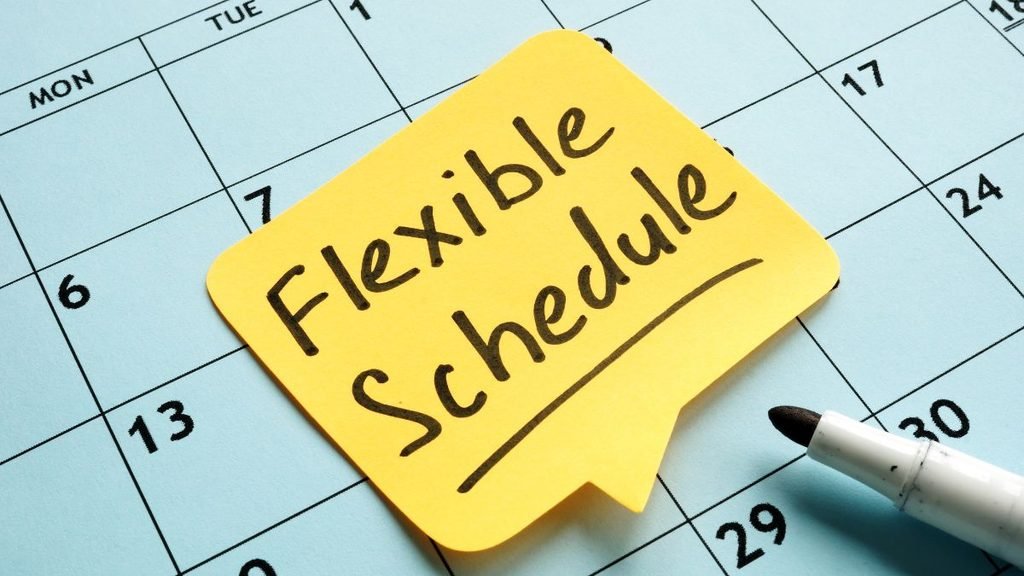
After decades of adult life, familiar things can feel automatically better. Music, neighborhoods, service, technology, and work may all seem better in memory.
Sometimes they genuinely were better for you. Other times they were simply familiar.
Rigid nostalgia can become limiting if it stops you from using something useful. Grocery delivery, video calls, smart lighting, telehealth, digital banking, or rideshare services may increase convenience for some people.
That does not mean adopting every new device. Technology should earn its place through usefulness, cost, reliability, privacy, and simplicity.
Flexibility also applies to retirement plans. Someone who once wanted a large suburban home may later prefer a smaller place near restaurants, family, or public transportation.
Another person may discover that full retirement feels too empty. Working two days a week or volunteering may provide the structure they actually enjoy.
Changing your mind is not failure. At 63, preserving the ability to change direction can be a valuable form of independence.
What to Do During the Next 30 Days
You do not need to rebuild your entire life because you turned 63. A short review can show which issue deserves attention and which worries can wait.
The goal is to create options before decisions become urgent. Start with the area most likely to affect independence.
| Priority | Check This | One Practical Next Step |
|---|---|---|
| Time | What meaningful experience keeps getting postponed? | Put one realistic date on the calendar |
| Health | Are pain or mobility problems limiting normal life? | Discuss concerns and suitable activity with a professional |
| Retirement income | Have you compared several Social Security ages? | Review your SSA estimate |
| Health insurance | Could you retire before 65? | Price coverage before leaving work |
| Relationships | Who matters but rarely hears from you? | Schedule regular contact |
| Work and purpose | What replaces your weekday routine? | Test one retirement activity now |
| Home | Does the house fit the next decade? | Check stairs, bathrooms, maintenance, and location |
| Possessions | What are you maintaining but rarely using? | Clear one small category |
| Flexibility | What option have you rejected automatically? | Reconsider one tool or lifestyle choice |
Do not turn this into nine urgent projects. One carefully chosen change may have more value than trying to fix everything at once.