


Your home may look exactly the same while the way you use it slowly changes. That is why checking a few everyday areas can matter more than doing a large renovation.
The goal is not to turn your house into a medical space. It is to make sure the home still supports your comfort, independence, and normal daily routines.
CDC reported in February 2026 that more than 14 million adults age 65 and older report a fall each year. That is about one in four older adults.
Being over 65 does not automatically mean your home is unsafe. It simply makes this a good time to notice problems before they become harder or more expensive to fix.
A few numbers help put these home checks into perspective. They also show why small targeted improvements can sometimes offer more value than a complete remodel.
| Home Safety Metric | Example Figure | Why It Matters |
|---|---|---|
| Adults 65+ reporting a fall each year | More than 14 million | Falls remain a major injury concern |
| U.S. homes meeting a basic aging ready definition | About 10% in Census research | Many homes lack basic accessible features |
| Professional grab bar installation | About $200 to $350 per bar | Small upgrades may solve specific problems |
The fall number comes from current CDC data. The Census housing figure comes from earlier national housing research and should not be treated as a 2026 housing count.
The grab bar figure is a 2026 national market estimate. Local labor costs, wall materials, and installation difficulty can make the actual price higher or lower.
1. Check the Floors and Walking Paths You Use Every Day
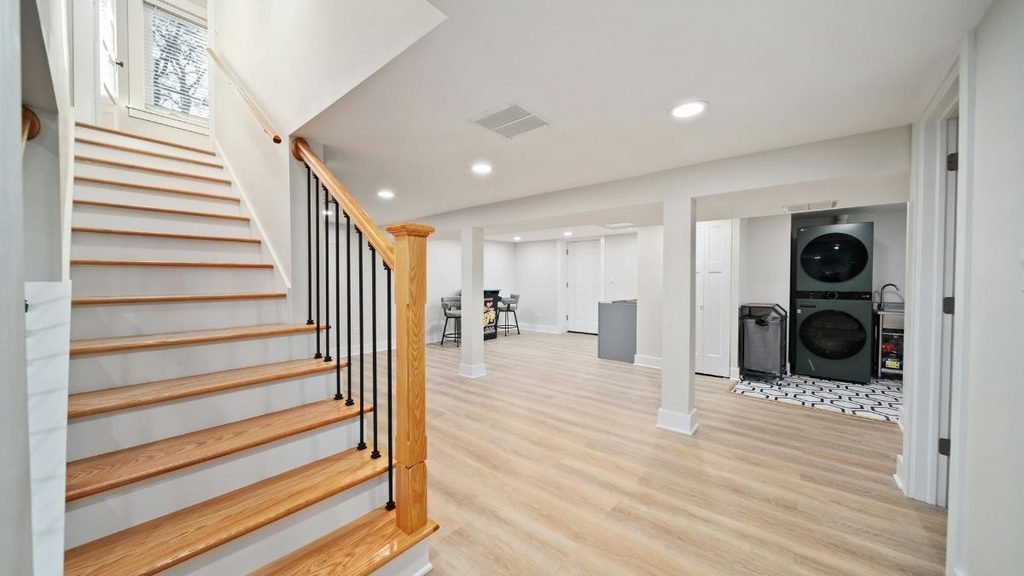
Start with the paths you actually walk most often. Check the route from your bed to the bathroom, your favorite chair to the kitchen, and your front door to the car.
Look for loose rugs, curled carpet edges, cords, pet toys, baskets, or small furniture. These items often become invisible because you see them every day.
The National Institute on Aging recommends securing carpeting and dealing with loose rugs. CPSC also advises keeping floors clear of cords and other tripping hazards.
That does not mean every rug must be removed. A flat rug that stays firmly in place is very different from a lightweight rug that slides when you step on it.
Try walking your normal route while carrying something light. If you need to twist around furniture or step sideways, the path may deserve attention.
Sometimes the cheapest fix is simply moving a table, basket, lamp, or cord. You may not need to buy anything at all.
2. Check Every Stair and Handrail
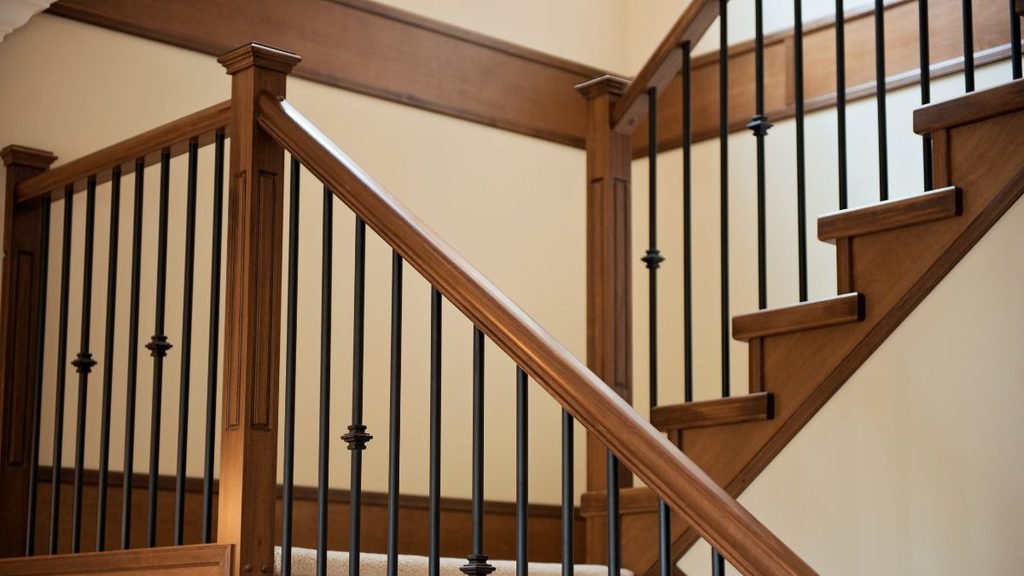
Staircases deserve a closer inspection because people often rely on a railing without thinking about whether it is still secure. A loose rail becomes a problem when real weight is suddenly placed on it.
CPSC recommends handrails and good lighting on stairs. It also recommends keeping stairs clear of clutter and other objects.
Grip each handrail and give it a firm pull. Look for movement, loose brackets, uneven steps, worn flooring, or anything stored on the stairs.
Also check the lighting at the top and bottom. A staircase that seems easy during the day may feel very different at night.
Do not judge stairs only by asking whether you can still climb them. Think about carrying laundry, groceries, or walking them when tired.
A small repair can sometimes solve the problem. Fixing one loose railing is very different from replacing or redesigning an entire staircase.
3. Check Whether the Bathroom Gives You Real Support
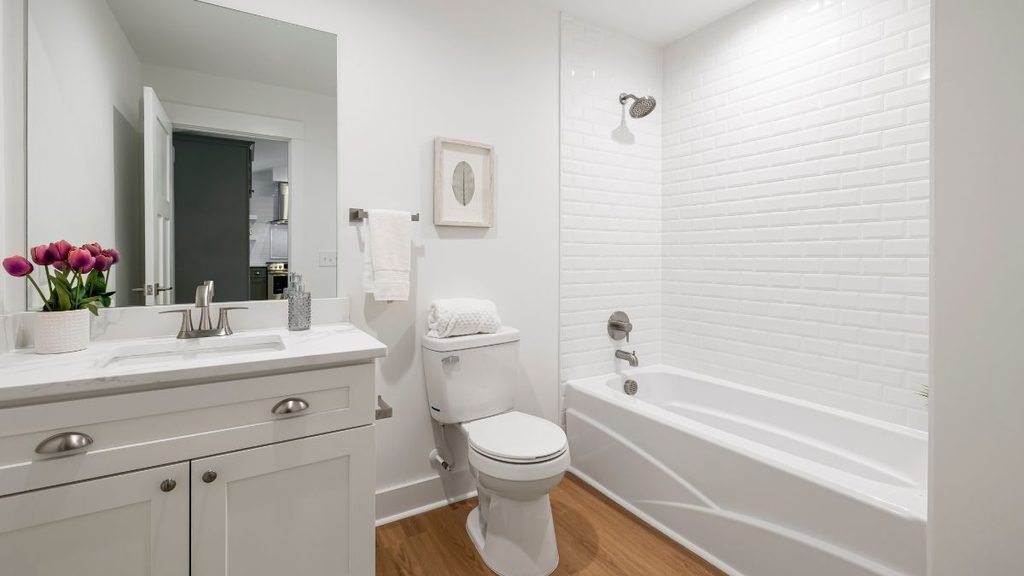
Bathrooms combine hard surfaces, water, small spaces, and repeated sitting and standing. That makes them one of the most useful places to check carefully.
The National Institute on Aging recommends grab bars near toilets and in tubs or showers when they are needed. It also recommends nonslip surfaces in wet areas.
Pay attention to what your hand reaches for when stepping into the shower. Many people automatically grab a towel bar, glass door, countertop, or shower rod.
A towel bar is generally not designed to support body weight. A properly installed grab bar is made for that purpose and must be securely mounted.
Modern grab bars do not have to make a bathroom look institutional. Many are available in finishes and styles that look like normal bathroom hardware.
Before assuming you need a full bathroom remodel, price the exact improvement you need. A targeted change may cost much less than replacing the entire shower or tub.
| Modification | 2026 Example Cost | Main Cost Driver |
|---|---|---|
| DIY grab bar materials | About $30 to $100 | Bar type and hardware |
| Professional grab bar installation | About $200 to $350 per bar | Labor and wall material |
| Wall reinforcement | Roughly $150 to $400 | Existing wall construction |
| Five foot outdoor handrail | Roughly $275 to $1,150 | Material and local labor |
These are national market estimates rather than guaranteed prices. Tile, masonry, difficult mounting locations, or structural reinforcement can increase the final cost.
DIY installation may be reasonable for some people with the right tools and experience. If you are unsure about secure mounting, professional installation may be worth paying for.
4. Check the Lighting Between Your Bed, Bathroom, Stairs, and Doors
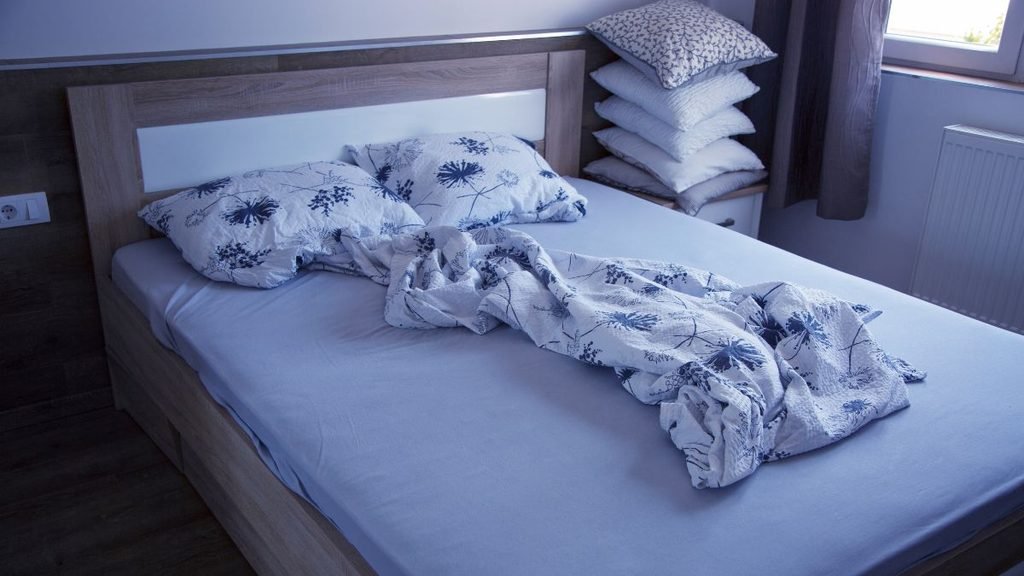
Do not judge your lighting in the middle of a sunny afternoon. The better test is to walk through your home after dark using the lights you normally use.
Check the bedroom to bathroom route first. Then look at hallways, stair landings, the garage entrance, front porch, and outdoor steps.
The National Institute on Aging recommends good lighting around stairways. CPSC also advises keeping stairs and walking areas well lit.
Look for places where you must cross a dark area before reaching a light switch. That small inconvenience can matter during a late night bathroom trip.
Nightlights, motion activated lights, or a better placed lamp can help in some homes. These changes are usually simpler than installing an entirely new lighting system.
Long lasting bulbs can also reduce the number of times someone has to climb to replace a hard to reach bulb. That can make routine maintenance easier.
5. Check Smoke and Carbon Monoxide Alarms
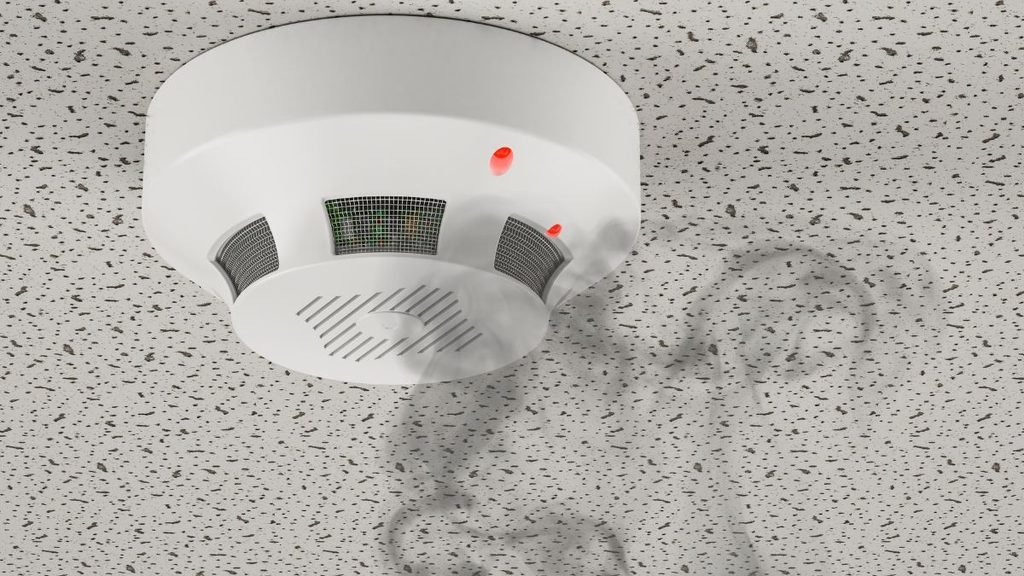
Home safety is not only about falls. Smoke alarms, carbon monoxide alarms, heating equipment, and escape planning deserve the same attention.
CPSC guidance in 2026 recommends smoke alarms on every level of the home and inside each bedroom. Carbon monoxide alarms should also be placed according to current safety guidance.
CPSC recommends testing alarms regularly. The U.S. Fire Administration says smoke alarms should generally be replaced when they reach 10 years of age.
Check the date on each alarm rather than assuming it is fine because the test button works. Older alarms may still need replacement.
Carbon monoxide alarms have their own replacement schedules. Follow the manufacturer’s end of life instructions for the exact model in your home.
If hearing an alarm is difficult, additional alert systems are available. USFA notes that some devices use flashing lights, vibrating pads, or bed shakers.
6. Check the Front Door, Porch, Thresholds, and Garage Route
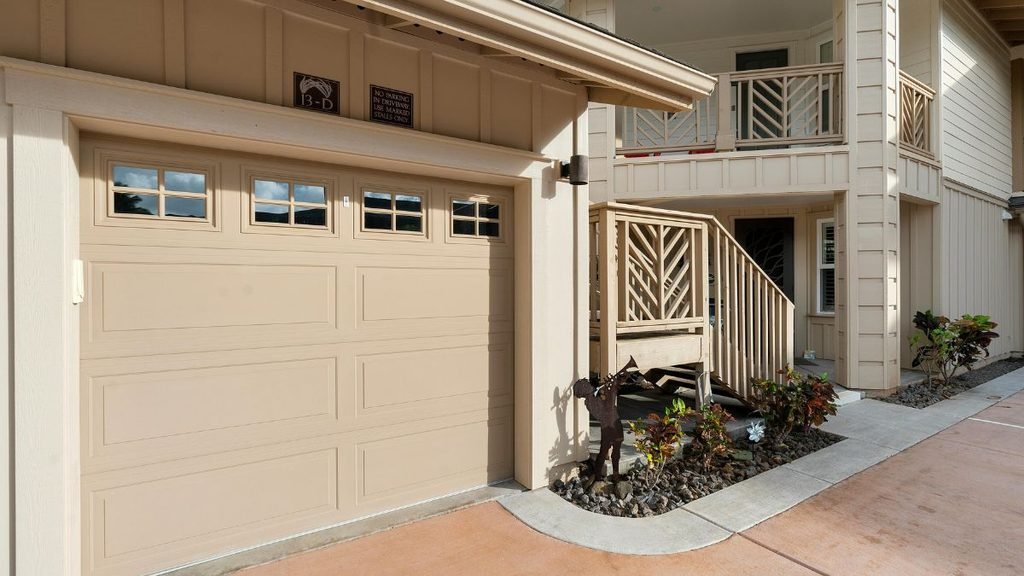
A comfortable living room does not help much if entering the house is difficult. The route between your car and your door deserves the same attention as indoor spaces.
Look at porch steps, railings, cracked concrete, loose pavers, slippery surfaces, and door thresholds. Also check whether the area is well lit after dark.
Do not forget the garage entrance if that is the door you use most often. Many people rarely use their formal front entrance.
Think about what happens when you are carrying groceries. If you need to balance bags while stepping over a threshold or unlocking the door, the entrance may need adjustment.
A small landing area, secure railing, or better light can make the routine easier. A ramp or step free entrance may help some households, but not everyone needs one.
Renters should check lease rules before drilling into walls or making structural changes. Requirements and landlord responsibilities can vary by property and location.
The first six checks usually reveal the most obvious trouble spots. This table can help you decide which ones deserve attention first.
| What You Notice | Why It Matters | What to Consider |
|---|---|---|
| Rug moves when stepped on | Surface is unpredictable | Secure or remove it |
| You grab a towel bar in the shower | It may not support your weight | Install a proper grab bar |
| Stair rail moves | Support may fail | Repair it |
| Nighttime route is dark | Obstacles are harder to see | Improve lighting |
| Entry feels awkward with groceries | Balance and carrying happen together | Improve rail or landing |
| Daily items require a step stool | Repeated reaching adds difficulty | Move items lower |
None of these signs means you must remodel or move. They simply point to places where small changes may make daily routines easier.
7. Check Where Your Everyday Items Are Stored
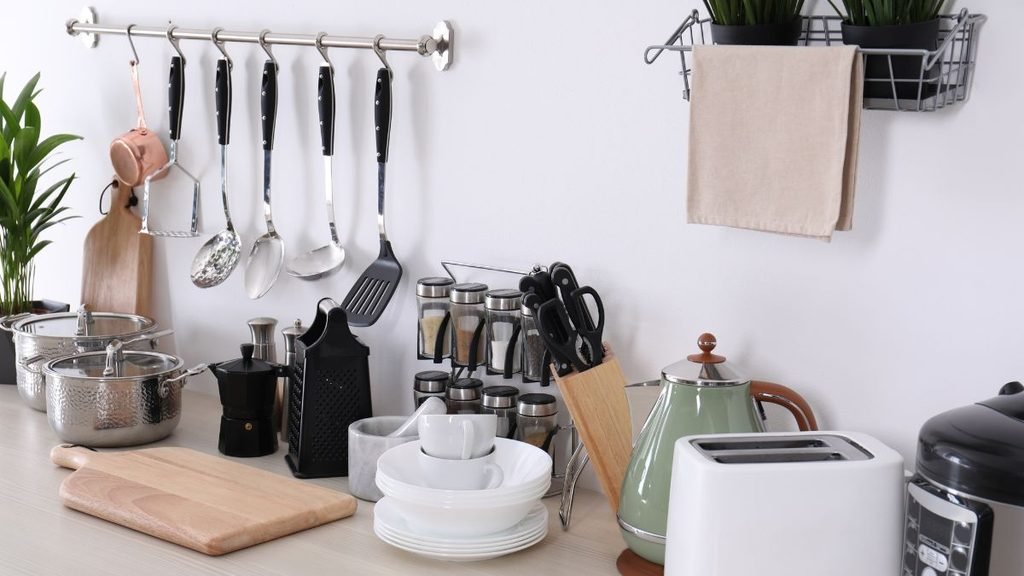
A kitchen can have plenty of storage and still be inconvenient. The real question is where the items you use every day are located.
Look at coffee mugs, heavy pans, cereal, dishes, cleaning supplies, and small appliances. If you need to climb or stretch for them regularly, move them.
AARP HomeFit guidance recommends keeping frequently used items within easier reach. Very high shelves can be reserved for things used only occasionally.
Start by reorganizing before buying new storage systems. Moving a heavy skillet to a waist high cabinet may solve the problem immediately.
Use the same idea in closets, laundry areas, garages, and bathrooms. Frequently used items should usually be placed in the easiest locations.
Storage should reflect how you live now. It does not need to stay arranged the way it was 15 or 20 years ago.
8. Check Cords, Outlets, Heaters, and Electrical Habits
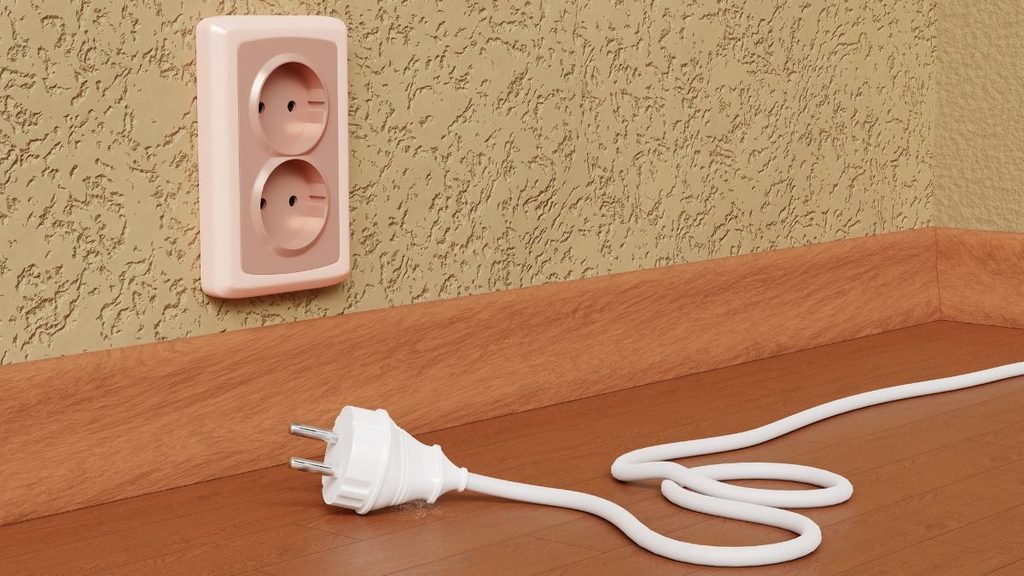
Extension cords can create more than one problem. They can become a trip hazard while also being used in ways that electrical equipment was not designed for.
Look around your favorite chair, television area, bedroom, and home office. Pay attention to cords crossing normal walking paths.
CPSC’s 2026 heater guidance says portable electric heaters should be plugged directly into a wall outlet. They should not be connected through an extension cord or power strip.
CPSC also recommends keeping portable heaters at least three feet from bedding, furniture, curtains, and other combustible materials. They should be turned off while sleeping.
Do not solve a cord problem by hiding the cord beneath a rug. That can simply replace one problem with another.
If furniture placement constantly forces cords across a walkway, consider changing the layout. A qualified electrician can also evaluate whether another outlet would make sense.
9. Check the Kitchen and Major Appliances

Kitchen safety depends partly on the equipment and partly on how the space is used. A stove surrounded by clutter can create problems even if the appliance works perfectly.
Check whether controls are easy to see and operate. Also look at damaged cords, unstable small appliances, grease buildup, and objects stored close to burners.
USFA encourages staying attentive while cooking and using timers when helpful. These are simple habits, but they become important when distractions interrupt meal preparation.
CPSC also warns against using a gas range or oven to heat the house. Gas cooking appliances are not designed to serve as home heating systems.
Think about the route from the stove to the table or counter. Carrying hot food through a cluttered path can make an ordinary task harder than necessary.
If cooking remains comfortable and the kitchen works well, there may be little to change. The purpose is to find actual problems rather than create them.
A few common myths can make people either overspend or ignore useful fixes. The better approach is to match the solution to the specific problem.
| Common Belief | Reality | Better Way to Think About It |
|---|---|---|
| Every rug must go after 65 | The concern is rugs that move or curl | Fix the rugs that create hazards |
| Grab bars always look institutional | Many decorative options exist | Focus on secure installation |
| Aging in place requires remodeling | Many changes are small | Solve the daily problem first |
| If stairs are usable, they are fine | Rails, lighting, and carrying also matter | Test stairs in real life |
| A safety check means it is time to move | Safety improvements can help someone stay home | Use checks to preserve options |
The most important distinction is between planning and panic. A home review should give you more control over future choices, not less.
10. Check Whether You Could Get Help or Get Out Quickly

A home can have good lighting and secure railings while still having a weak emergency plan. Fire, power outages, falls, and sudden illness require a different kind of preparation.
USFA recommends knowing how you would leave the home during a fire. If possible, know more than one way out of important rooms.
Anyone who uses a walker, wheelchair, or other mobility equipment should make sure intended exits actually work with that equipment. Door width and furniture placement can matter.
Keep important items where you can reach them at night. That may include glasses, a phone, hearing aids, a cane, walker, or communication device.
If you live alone, think about how you would call for assistance. A phone, wearable alert, smart speaker, or check in system may help depending on your needs.
No single device is necessary for everyone. Choose technology based on reliability, ease of use, cost, privacy, and whether it solves a real problem.
Use This Seven Day Home Check
Trying to inspect the entire house in one afternoon can become tiring. Breaking the job into small pieces makes it easier to focus on what actually matters.
Start with anything that could create immediate harm. Loose rails, nonworking alarms, sliding rugs, and unsafe heater placement deserve attention before cosmetic improvements.
| Day | What to Check | What to Do |
|---|---|---|
| Day 1 | Main walking paths | Clear or secure hazards |
| Day 2 | Stairs and entrances | Test rails and lighting |
| Day 3 | Bathroom | Check support and wet surfaces |
| Day 4 | Bedroom to bathroom route | Test it after dark |
| Day 5 | Smoke and CO alarms | Test and check age |
| Day 6 | Kitchen, heaters, cords | Correct unsafe placement |
| Day 7 | Emergency plan | Test exits and communication |
After the walkthrough, divide the problems into three groups. Use “fix now,” “plan later,” and “no change needed.”
That last category matters. A home safety review should not create unnecessary projects just because someone has reached a certain birthday.
What If the Home Needs Changes You Cannot Easily Afford?
Some home modifications can be expensive, especially if they involve stairs, bathrooms, entrances, or structural work. Cost is one reason it helps to identify the exact problem first.
The National Institute on Aging notes that assistance for certain home repairs or safety modifications may be available through local or state programs. Availability and eligibility differ by location.
The Administration for Community Living supports the Eldercare Locator, which connects older adults and families with local aging services. It can be a useful starting point for finding programs in your area.
HUD also supports programs related to older adult home modifications through local organizations and grantees. This does not mean every homeowner automatically receives federal renovation money.
Eligibility and available services depend on the program and community. Verify the current rules before assuming a particular repair or modification will be covered.