

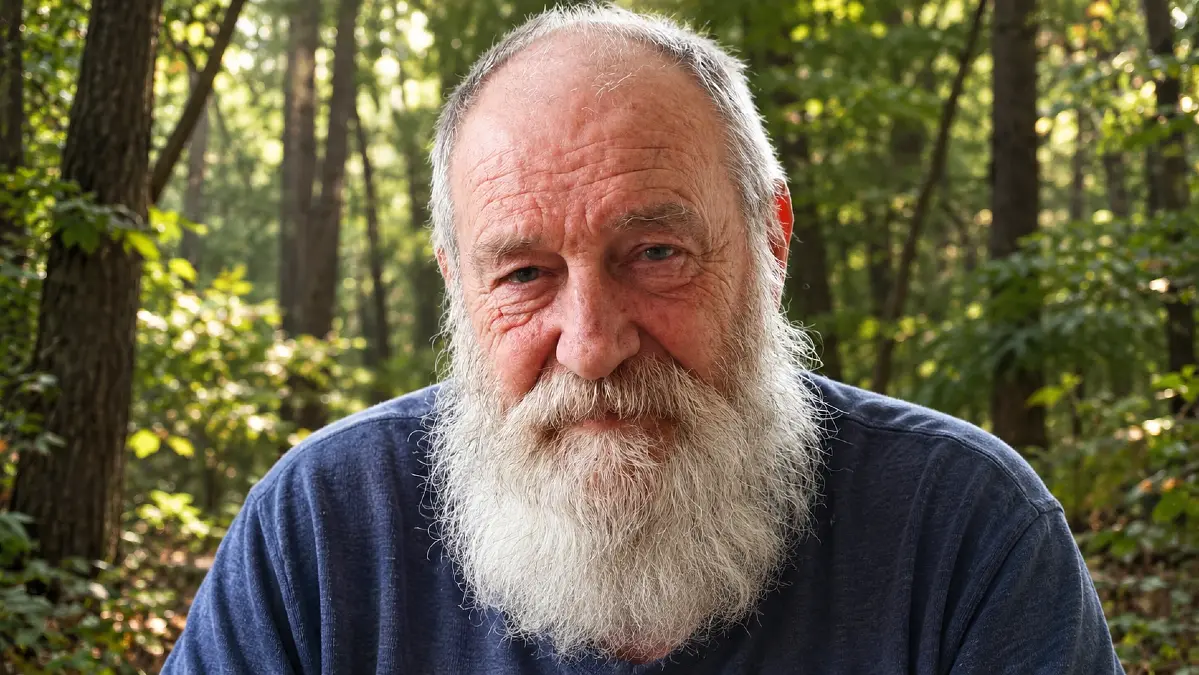
Harry spent more than 50 years believing the next milestone would finally make life feel complete. More money, more respect, a paid-off house, and eventually retirement always seemed like the answer waiting just ahead.
But every finish line moved. One achievement created another goal, one worry replaced another, and the life Harry thought he was building kept getting pushed into the future instead of being lived in the present.
What finally changed was not his bank balance or status. It was understanding what money, work, relationships, and success could actually provide, and what they could never provide on their own.
The Finish Line Keeps Moving

For much of Harry’s life, one thought seemed to follow him everywhere. He would feel better when the next important thing happened. He would relax after the promotion, feel secure once the house was paid off, and finally slow down when retirement arrived.
Those goals were not foolish, and many of them were genuinely useful. Paying off debt can improve cash flow, while higher income can make repairs, health expenses, travel, and emergencies easier to handle. A stable home can also provide comfort and security that matter greatly in later life.
The problem appears when a practical goal becomes an emotional condition.
Wanting to pay off the mortgage is different from believing peace is impossible until the mortgage disappears. Harry spent years confusing those two ideas, and every completed goal simply made room for another concern.
Research does not support the idea that money suddenly stops mattering after one universal income threshold.
A 2023 PNAS study found that emotional well-being generally rose with income among the employed U.S. adults studied, although the pattern differed among people with lower levels of happiness.
The more useful lesson is that money can improve some parts of life without solving every emotional problem.
What the Big Claims Really Mean
| Common Claim | What Research More Reasonably Supports | Important Limitation |
|---|---|---|
| More money never improves happiness | Higher income is often associated with greater well-being | Money cannot solve every source of distress |
| Living alone means someone is lonely | Living alone and loneliness are different experiences | Either can occur without the other |
| Retirement automatically creates freedom | Retirement can reduce work pressures | It can also change routine, identity, and social contact |
| Gratitude makes people happy | Gratitude practices may support well-being for some people | Results are not equally strong for everyone |
| Relationships matter | Strong relationships are repeatedly linked with well-being | Relationship quality matters more than simply having people nearby |
A promotion can provide income and professional satisfaction, while a paid-off home can lower monthly expenses. Retirement can also create more control over time and reduce some forms of stress. None of those things, however, can guarantee that someone will feel valued, connected, or at peace.
That was the mistake Harry spent decades making. He expected external milestones to perform emotional jobs they were never designed to perform. Once he understood that difference, success stopped feeling like a test he had to keep passing.
What Took Harry More Than 50 Years to Learn About “Enough”

Harry grew up believing that achievement could prove a person’s worth. Work hard enough, earn enough, become respected enough, and eventually there would be nothing left to prove. For many years, that belief pushed him forward and made every new milestone feel important.
The problem was that “enough” had no fixed measurement. Someone always earned more, owned a larger house, carried a better title, or seemed more successful from the outside. Every time Harry moved closer to what he thought was the finish line, another comparison moved it farther away.
There is nothing wrong with taking pride in work or achievement. A career can provide financial stability, confidence, skill, and real satisfaction. Trouble begins when achievement becomes the only evidence someone uses to decide whether they matter.
That becomes especially important around retirement. A career may provide routine, expertise, recognition, coworkers, responsibility, and a clear role in the world. When work ends, the paycheck may stop, but the need for purpose, identity, and connection does not disappear with it.
Harry eventually realized that a better question was not, “Have I achieved enough?” The better question was, “Enough for what?” Enough income to live comfortably is different from enough income to impress someone, and enough work to feel useful is different from work that consumes nearly every other part of life.
Providing Is Not the Same as Being Present

One of Harry’s hardest lessons involved his marriage. For years, he thought being a good husband meant providing as much as possible and protecting his family financially. He worked long hours, handled bills, and believed that creating comfort was the clearest way to show love.
Those efforts mattered, and practical responsibilities cannot simply be dismissed. Housing, groceries, insurance, transportation, medical expenses, and home repairs all have to be managed somehow. The mistake was believing that practical support could completely replace emotional presence.
Someone can work relentlessly for a family while barely being available to that family.
A person can solve every financial problem and still be too distracted, exhausted, or preoccupied to listen well. Harry eventually understood that being responsible and being emotionally present are related, but they are not the same thing.
Research from the long-running Harvard Study of Adult Development has repeatedly emphasized the importance of strong relationships to well-being.
The National Institute on Aging also highlights meaningful social connection while carefully distinguishing loneliness from simply living alone. The quality of attention inside relationships often matters more than simply being physically nearby.
Providing Versus Being Present
| Providing Can Look Like | Being Present Can Look Like |
|---|---|
| Paying household expenses | Giving someone full attention |
| Handling appointments | Asking what the other person actually needs |
| Solving problems | Listening before offering a solution |
| Buying gifts | Making time without constant multitasking |
| Managing transportation | Sharing experiences when possible |
| Helping financially | Staying curious about another person’s life |
Neither side replaces the other, and many strong relationships need both. Practical support can be a powerful expression of care, but it does not automatically create emotional closeness. The useful question is whether one has quietly become a substitute for the other.
Harry eventually understood that a person can be deeply loved and still feel unheard. That applies beyond marriage to adult children, grandchildren, siblings, neighbors, and longtime friends. Shared meals, conversations, and ordinary afternoons often carry a different kind of value than financial support alone can provide.
Retirement Cannot Fix a Life Built Around Work Alone

Retirement can bring more freedom, but it also changes the structure of everyday life. Work may have provided routine, social contact, responsibility, and a sense of being needed.
Harry spent years planning how to stop working, but much less time thinking about what ordinary days would look like afterward. That became more important once the familiar work schedule disappeared.
A satisfying retirement often needs more than savings. Purpose can come from simple things such as:
- Spending time with grandchildren
- Gardening or woodworking
- Volunteering
- Reading or learning something new
- Teaching a skill
- Joining a local group
- Helping a neighbor
The National Institute on Aging notes that retirement can affect social connection for some people, although retirement itself does not automatically cause loneliness.
Research using 11,546 older U.S. adults also found links between greater purpose and higher life satisfaction. Harry’s lesson was that retirement planning should include both money and a reason to get up and engage with the day.
Money Matters Most When It Buys Security and Choice

Money does matter, especially when it covers essentials such as housing, food, medical costs, transportation, repairs, and debt. Having more financial room can reduce pressure and give someone more control over everyday decisions.
Harry’s mistake was expecting money to do too many jobs at once. He wanted it to provide security, respect, status, self-worth, and peace, even though those needs do not all come from a bank account.
The Consumer Financial Protection Bureau describes financial well-being around a few practical ideas:
- Control over everyday finances
- Ability to handle an unexpected expense
- Progress toward financial goals
- Freedom to make choices that improve quality of life
That is different from simply trying to have more than someone else.
It also helps to look at recurring costs over a full year. A monthly expense may seem small, but multiplying it by 12 can show whether it is still worth keeping, especially in retirement when regular expenses compete with savings and other priorities.
What a Monthly Expense Becomes Over One Year
These examples are hypothetical and are included only to make recurring costs concrete.
| Monthly Amount | Annual Amount | What That Amount Could Represent |
|---|---|---|
| $100 | $1,200 | Emergency savings, hobbies, visits, or another priority |
| $250 | $3,000 | A larger cash reserve or several planned experiences |
| $500 | $6,000 | Significant additional financial flexibility |
| $750 | $9,000 | A larger savings contribution or major household priority |
A $500 monthly expense becomes $6,000 over 12 months. That does not automatically mean the expense should be cut, because something that improves comfort, independence, safety, or connection may be worth every dollar. The point is to see the full cost before deciding.
The more useful question is what the spending actually does for daily life. Does it reduce stress, improve mobility, protect independence, or create meaningful experiences? Or is it mostly maintaining an image that no longer feels important?
Harry eventually began separating security from status. That distinction made money feel less like a score and more like a tool. It also made spending decisions easier because each dollar could be judged by what it actually added to life.
Comparison Keeps Moving the Goalposts
Comparison can make “enough” almost impossible to reach. A person may feel happy with a car, home, or vacation until someone else appears to have something better.
That can lead to spending for the wrong reason. A useful car gets replaced early, a comfortable home suddenly feels inadequate, or a good trip seems less impressive after seeing someone else’s photos.
Before making a bigger purchase, it helps to ask what problem it is actually solving:
- Better comfort
- More reliability
- Improved accessibility or safety
- Genuine enjoyment
- Pressure to keep up with someone else
Wanting nicer things is not the problem. Harry’s lesson was to separate a real need or desire from the urge to match somebody else’s lifestyle.
Warning Signs That the Finish Line Is Moving Again
| Pattern | What It Can Sound Like | Better Question |
|---|---|---|
| Conditional living | “Once this happens, then I’ll enjoy myself” | What part could begin now? |
| Automatic comparison | “They have more than I do” | Is what they have actually important to me? |
| Constant upgrading | “This works, but theirs is better” | What real problem needs solving? |
| Work crowding out relationships | “I’ll make time when things calm down” | When exactly is that supposed to happen? |
| Retirement without structure | “I’ll figure it out once I stop working” | What will an ordinary week contain? |
| Achievement as identity | “Without this role, who am I?” | What parts of life have nothing to do with the title? |
These are not diagnoses and do not mean someone is doing life incorrectly. They are simply checkpoints that can reveal whether a goal still belongs to the person pursuing it.
Sometimes the goal is worth keeping, while other times the comparison behind it has become more important than the outcome itself.
Harry spent decades measuring progress partly through things other people could see. Later in life, that scoreboard became far less interesting.
Someone will almost always be ahead in one category and behind in another, and neither position says much about whether life feels meaningful.
Gratitude Helps, but It Is Not a Cure-All
Later in life, Harry became better at noticing what was already good around him. He paid more attention to ordinary moments he once rushed past while chasing the next goal.
Gratitude can help, but it should not be treated as a cure for every problem. A 2026 review of gratitude and savoring interventions in older adults found promising results, but the evidence was not consistent across every outcome.
Gratitude can exist alongside difficult feelings:
- Enjoying a quiet morning while worrying about money
- Loving family while wishing they called more often
- Enjoying retirement while still missing parts of working life
- Feeling thankful while also dealing with grief or stress
Persistent depression, anxiety, or grief deserves more than advice to “think positive.” The National Institute on Aging notes that depression can involve health, stress, sleep, social circumstances, and major life changes.
Harry’s lesson was simple. Gratitude means noticing what is still good without pretending everything else is fine.
Build a Life You Can Feel While It Is Happening
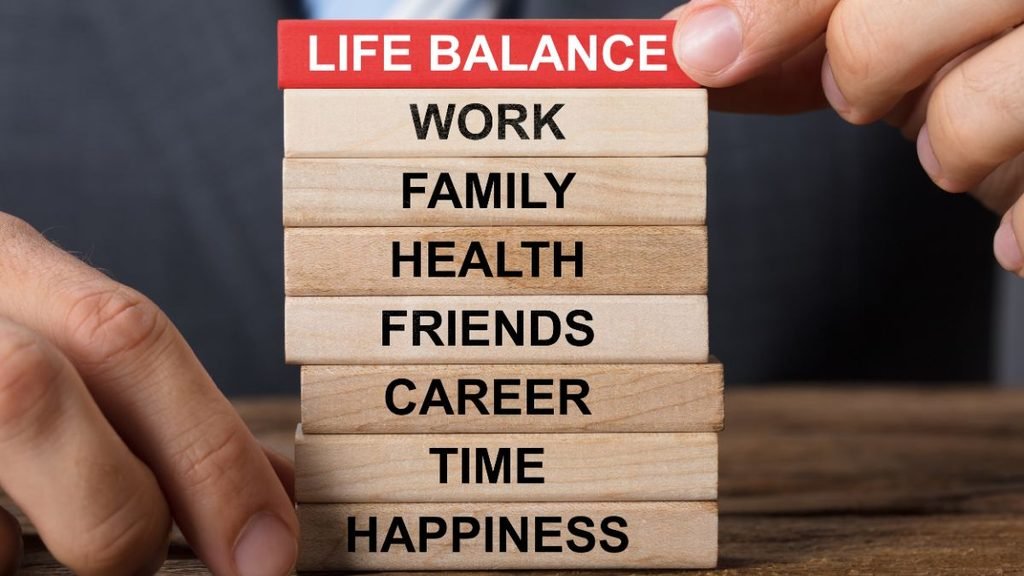
Harry’s mistake was not working hard. It was assuming meaningful parts of life could always wait until work, bills, and responsibilities were finally under control.
The problem was that there was always another reason to wait. A common example is, “We’ll travel when we retire,” which can later become, “We’ll travel when the market improves.”
Some delays are responsible, especially when health, finances, caregiving, or transportation are involved. But waiting for perfect conditions can quietly turn into years of postponement.
Smaller versions of the life someone wants still count:
- Take a nearby day trip instead of waiting for a major vacation
- Call someone instead of waiting for the perfect time to visit
- Start a hobby before feeling completely ready
- Schedule something enjoyable instead of leaving it as a future idea
NIA notes that meaningful activities and social participation can support connection and well-being. Harry eventually understood that a good life does not have to wait for a major event before it starts feeling worthwhile.
A Seven-Day Reset From “I’ll Be Happy When”
Harry’s story does not require anyone to quit a job, sell a home, spend retirement savings, or completely reinvent life.
A smaller experiment may be more useful because it allows someone to notice patterns without creating another enormous goal. Seven days is enough to start seeing where life is being postponed.
The purpose is not to become a different person in one week. It is to identify one recurring habit that deserves attention and one small thing worth changing. That keeps the exercise practical rather than turning it into another test of self-improvement.
Seven Days of Less Waiting
| Day | Action | Question to Ask |
|---|---|---|
| 1 | Write down three “I’ll be happy when…” statements | Which one has been moving for years? |
| 2 | Contact one person who matters | Has intention replaced actual contact? |
| 3 | Review one recurring expense | Is it buying security, usefulness, enjoyment, or status? |
| 4 | Do one small enjoyable thing that keeps getting postponed | What was the real reason for waiting? |
| 5 | Spend 30 minutes on something meaningful | Would more of this improve an ordinary week? |
| 6 | Notice one comparison trigger | Would this matter if nobody else knew about it? |
| 7 | Put one worthwhile activity on next week’s calendar | What deserves a real appointment rather than good intentions? |
There is no score and no reason to treat a missed day as failure. The point is simply to observe what happens when enjoyment, contact, or meaning is given a real place on the calendar. Even one useful discovery can make the week worthwhile.
At the end, the goal is to keep only what genuinely helped. That may be a weekly phone call, a regular walk, a class, a volunteer shift, or a recurring expense redirected to something more useful. Small changes often have a better chance of surviving than dramatic promises to completely redesign life.
What to Protect in Your 50s, 60s, 70s, and Beyond

If Harry could send one message back across those five decades, it would not be an instruction to abandon ambition.
He would still tell his younger self to work, save, plan, build financial security, and take responsibility seriously. Those choices helped create options and stability that genuinely mattered.
What he would change is the belief that those were the only things worth protecting. Relationships deserve attention before they turn into occasional holiday phone calls, while curiosity deserves room after a career ends. Time also deserves protection even when nobody is paying for it.
Health deserves sensible attention without allowing every decision to become driven by fear. Independence deserves practical planning rather than pride, and money deserves to be treated as a useful tool rather than a public score.
Those priorities can exist alongside ambition rather than replacing it.
Stop Waiting for the Finish Line to Start Living
Money, work, retirement, and achievement matter. But none of them can carry every job we expect them to do.
The Finish Line Keeps Moving
The promotion, paid-off house, or next milestone may help, but another goal usually appears.
Use Money for Security and Choice
Money works best when it covers needs, absorbs surprises, and gives you more freedom over your life.
Presence Matters Too
Providing for people matters, but listening, calling, visiting, and giving attention cannot always be replaced by money.
Stop Using Other People as the Scoreboard
A good car, home, or vacation can suddenly feel inadequate when comparison becomes the measurement.
Retirement Still Needs Purpose
Savings matter, but ordinary days also need connection, interests, learning, usefulness, and something worth doing.
Notice What Is Good Now
Gratitude does not erase grief, stress, or real problems. It simply keeps one hard part of life from hiding everything good.
Harry’s Question to Ask Today
“I’ll be happy when __________.”
Keep the goal if it matters. Then ask what part of the life behind that blank can begin now.

Denis Short is a Senior Living writer focused on helping older adults enjoy a safer, more comfortable, and more independent life. He covers aging at home, downsizing, home organization, everyday wellness, senior-friendly design, lifestyle choices, and practical ways to make daily routines easier.
Denis brings a warm, realistic perspective to later-life living, offering clear advice and useful ideas that help seniors and their families create homes, habits, and plans that support confidence, comfort, and independence.