


Affordable retirement lists can make a city look cheap before you ever price the things that keep rising after the move.
A $200,000 house means less if property taxes, insurance, heating, car dependence, healthcare premiums or state taxes quietly absorb the savings.
That is the problem with choosing an affordable place to retire from a home-price list alone. These eight U.S. cities still deserve a closer look in 2026, but only after the advertised savings are tested against the costs retirees actually pay.
A Cheap House Is Only the Beginning
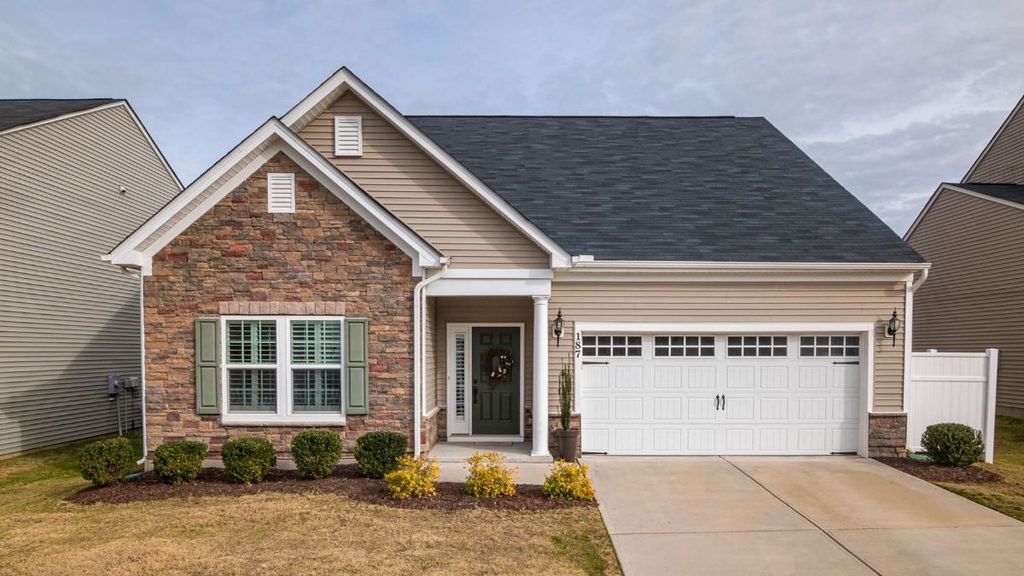
Consider the difference between two cities on this list. Zillow’s August 2026 typical home value was about $138,052 in Peoria, Illinois, while Knoxville, Tennessee was about $370,699, slightly above the roughly $368,697 national benchmark shown in Zillow’s current data.
That does not automatically make Peoria the cheaper retirement for every household. Illinois has comparatively high effective property taxes, while Tennessee has no individual state income tax on Social Security, pension, IRA or 401(k) income, although Tennessee’s average combined state and local sales-tax rate was 9.61% as of July 2026.
Healthcare creates another distinction. The standard 2026 Medicare Part B premium is $202.90 per month and the Part B deductible is $283, wherever you live, but Medigap premiums can vary substantially by insurer, plan and location.
That is why the useful question is not, “Which city is cheapest?” It is, “Which city leaves more of my retirement income available after the costs that apply to my household?”
The first comparison shows why none of these places should be judged from the home price alone. The retiree cost-of-living figures come from Kiplinger’s current inexpensive-retirement-city research, while housing values use Zillow data through August 31, 2026.
| Place | Aug. 2026 Zillow Typical Home Value | Retiree Cost of Living vs. U.S. | Hidden Cost to Price Carefully |
|---|---|---|---|
| Peoria, IL | $138,052 | 24.4% below | Property taxes and winter housing costs |
| Des Moines, IA | $210,572 | 13.4% below | Property taxes and transportation |
| Fort Wayne, IN | $248,442 | 18.0% below | State/county income taxes |
| Green Bay, WI | $285,361 | 10.2% below | Property taxes and winter utilities |
| Huntsville, AL | $290,244 | 5.8% below | Sales taxes and insurance quotes |
| Fargo, ND | $324,126 | 9.4% below | Heating, snow and property costs |
| Sioux Falls, SD | $332,295 | 3.7% below | Home-care costs and winter expenses |
| Knoxville, TN | $370,699 | 8.2% below | Housing cost and sales taxes |
The percentages should not be treated as promises about your personal spending. Kiplinger’s methodology already considers categories such as housing, groceries, transportation, utilities and healthcare, but individual taxes, insurance policies, Medicare choices and future care needs can still move the result substantially.
1. Peoria, Illinois: Extremely Cheap Housing Comes With a Tax Tradeoff

Peoria has the lowest current housing value of these eight cities by a wide margin. Zillow puts the typical home near $138,000, while Kiplinger estimates retiree living costs at 24.4% below the national average, with particularly inexpensive housing.
The hidden-cost story is property tax. Illinois’ statewide effective property-tax rate on owner-occupied housing was 1.88% in the latest Census-based figures published by Tax Foundation in 2026, tied for the highest rate in its table.
The consolation for retirees is significant: Illinois generally allows federally taxable Social Security, qualified pension, IRA and 401(k) retirement income to be subtracted from Illinois taxable income.
For someone selling a costly home elsewhere and buying a modest Peoria property with little or no mortgage, that combination can still work well. A renter may reach a different conclusion because the low purchase price does not benefit them directly, while property taxes can still be embedded indirectly in rent.
2. Des Moines, Iowa: Low Housing Costs Meet Favorable Retirement-Income Rules

Des Moines is one of the stronger examples of why older “tax-friendly state” labels can become stale. Zillow’s August 2026 typical value was about $210,572, and Kiplinger places retiree living costs 13.4% below the national average.
Iowa now provides a particularly important benefit for older retirees. Qualifying taxpayers age 55 or older can exclude eligible pension, IRA, 401(k), 403(b), 457 and other qualifying retirement-plan distributions from Iowa taxable income, subject to the state’s eligibility rules.
The counterweight is property tax. Iowa’s statewide effective rate was 1.33% in the latest available Census-derived comparison, one of the higher rates nationally, so retirees should inspect the actual tax bill on any house rather than estimating it from the listing price.
3. Fort Wayne, Indiana: Housing Is Cheap Enough to Leave Room for Other Costs

Fort Wayne deserves attention because the housing numbers remain meaningfully below national levels. Zillow’s typical value was about $248,442 in August 2026, and its average rent was about $1,271, compared with $1,948 nationally in the same dataset.
Kiplinger estimates retiree living costs 18% below the national average. The catch is that Indiana still taxes much ordinary income: the 2026 state individual income-tax rate is 2.95%, counties can impose additional income taxes, although Social Security benefits are excluded from Indiana income tax.
That distinction matters to a retiree living mostly on Social Security compared with someone drawing $50,000 or $60,000 annually from a traditional IRA. Two households in the same Fort Wayne subdivision could therefore experience very different after-tax affordability.
4. Green Bay, Wisconsin: Affordable Housing, but Do the Property-Tax Math

Green Bay’s current housing market remains comparatively accessible, with a Zillow typical value around $285,361 and average rent around $1,066 in August 2026. Kiplinger estimates retiree living costs about 10.2% below the national average and housing costs for retirees about 20% below average.
Wisconsin is more interesting for retirees than some older articles suggest. Social Security is not taxed by Wisconsin, and people at least 67 years old can potentially subtract up to $24,000 of qualifying retirement income, or as much as $48,000 for a qualifying married couple filing jointly when both spouses meet the age requirement.
The hidden cost again sits on the property side. Wisconsin’s latest statewide effective property-tax rate was about 1.32%, so anyone buying a home should request the current tax bill and ask how a change in ownership could affect assessments rather than relying on a statewide estimate.
5. Huntsville, Alabama: Low Property Taxes, but Don’t Call It Tax-Free

Huntsville combines a moderate home value with unusually low statewide property-tax exposure. Zillow’s typical home value was about $290,244 in August 2026, while the latest statewide effective property-tax figure for Alabama was only 0.37%.
Alabama also excludes Social Security and several categories of defined-benefit retirement income from state taxation. Traditional IRA, 401(k) and other retirement distributions do not automatically receive that same blanket treatment, however, so the source of your income matters.
The less obvious bill arrives through consumption taxes. Alabama’s population-weighted average combined state and local sales-tax rate was about 9.46% as of July 2026, so a retiree who spends heavily may feel more of the tax system at the cash register than on an income-tax return.
The Tax Bill Can Reverse Part of the Housing Savings
A retirement move changes several taxes at once, which is why “no state income tax” is an incomplete affordability test. The comparison below uses August 2026 Zillow home values and multiplies them by Tax Foundation’s latest statewide effective property-tax rate to create a rough illustration, not an estimate of an actual local bill.
Actual assessments, exemptions, municipal rates and senior programs can produce very different results. The sales-tax figures are population-weighted statewide averages as of July 1, 2026, so the rate at a particular address may also differ.
| Place | Retirement-Income Treatment | Rough Annual Property-Tax Proxy* | 2026 Avg. State + Local Sales Tax |
|---|---|---|---|
| Peoria, IL | Most qualified retirement income, including Social Security, IRA and 401(k) income, excluded | ~$2,595 | 8.98% |
| Des Moines, IA | Qualifying retirement income excluded for eligible taxpayers age 55+ | ~$2,801 | 6.94% |
| Fort Wayne, IN | Social Security exempt; other income may face 2.95% state tax plus county tax | ~$1,888 | 7.00% |
| Green Bay, WI | Social Security exempt; qualifying age-67+ retirement subtraction available | ~$3,767 | 5.72% |
| Huntsville, AL | Social Security and certain pensions exempt; IRA/401(k) treatment differs | ~$1,074 | 9.46% |
| Fargo, ND | Social Security excluded; other taxable income faces low state rates | ~$2,982 | 7.09% |
| Sioux Falls, SD | No state individual income tax | ~$3,323 | 6.11% |
| Knoxville, TN | No individual state tax on Social Security, pensions, IRAs or 401(k)s | ~$1,928 | 9.61% |
*Illustrative calculation using the current Zillow value shown earlier multiplied by the statewide effective property-tax rate. It is not a forecast of the actual tax bill on a particular property.
This produces one of the article’s most important distinctions. Peoria’s inexpensive home prices remain attractive despite Illinois’ high property-tax rate because the taxable property value can be so low, while Green Bay’s somewhat higher housing price combined with Wisconsin’s statewide rate produces a larger illustrative annual property-tax figure.
Taxes therefore need to be calculated in dollars, not judged from labels. “High property-tax state,” “no-income-tax state” and “retirement-friendly state” tell you very little until your income and intended home price are inserted.
6. Fargo, North Dakota: Affordable Daily Living With a Real Winter Budget

Fargo’s August 2026 Zillow typical home value was about $324,126. Kiplinger estimates retiree living costs 9.4% below the national average, with the city also offering university-linked cultural amenities.
The obvious hidden expense is climate-related housing and transportation. Kiplinger’s current profile notes an average January low around zero degrees and about 47 inches of annual snowfall, which makes heating, snow removal, winter tires and home maintenance realistic budget categories rather than lifestyle footnotes.
North Dakota excludes taxable Social Security benefits from state taxable income, while other income can still face state income tax.
Current state rates are comparatively low, ranging from 1.10% to 2.50%, but retirees drawing heavily from taxable retirement accounts should still calculate the amount rather than assuming North Dakota is income-tax-free.
7. Sioux Falls, South Dakota: No Income Tax Does Not Mean Every Later-Life Cost Is Low

Sioux Falls is more expensive to buy into than several Midwestern cities here, but it remains below the national housing benchmark. Zillow’s August 2026 typical value was about $332,295 and average rent about $1,302.
South Dakota does not impose a state individual income tax, which can be valuable to retirees taking substantial taxable distributions from traditional retirement accounts. Its average combined sales-tax burden is also noticeably lower than Tennessee or Alabama in the 2026 Tax Foundation comparison.
The longer-term catch deserves attention. WalletHub’s 2026 retirement-state analysis placed South Dakota at the expensive end of its measure for annual in-home services, reminding retirees that the cheapest place at age 66 may not remain the cheapest place if substantial paid assistance is needed at 82.
That does not make Sioux Falls unsuitable. It means home-care prices belong in a longevity stress test for anyone moving far from adult children or other people who might otherwise provide informal help.
8. Knoxville, Tennessee: Tax-Friendly Income, but Housing Is No Longer Dirt Cheap

Knoxville is the clearest warning against relying on an old reputation. Kiplinger still calculates retiree living costs about 8.2% below the national average, yet Zillow’s August 2026 typical home value of roughly $370,699 was essentially at the national benchmark shown in the same dataset.
Renting also costs more than in several cities here. Zillow reported average Knoxville rent around $1,712 in August 2026, compared with roughly $1,066 in Green Bay and $1,126 in Des Moines.
Tennessee still offers a meaningful advantage for households living on taxable retirement withdrawals because it does not impose individual income tax on wages, Social Security, pensions, IRAs or 401(k) distributions. The counterweight is consumption taxation: Tennessee’s average combined state and local sales-tax rate was 9.61% in July 2026.
Knoxville may therefore work particularly well for someone arriving with enough equity to keep housing costs modest. It can look less compelling to a renter or new buyer who expects the low home prices Tennessee was known for years ago.
Healthcare Is the Hidden Cost a City Ranking Cannot Fully Price for You

Medicare creates a national baseline, but not a national retirement healthcare bill. The standard Part B premium is $202.90 per month in 2026, with a $283 annual deductible, while higher-income beneficiaries can pay substantially more through IRMAA.
Your location then starts to matter. Medicare states that Medigap premiums can vary widely depending on the insurance company, plan and where you live, while Medicare Advantage and Part D plan options also depend on your service area.
That means a relocation spreadsheet should contain actual ZIP-code plan searches for both spouses, not a national healthcare estimate.
The comparison also needs your prescriptions, doctors, preferred hospital system and likely travel pattern because a cheap premium is less useful if the network does not fit the care you use.
Long-term care deserves a separate calculation because Medicare is not a general long-term custodial-care program. A city with inexpensive groceries and property may still produce a difficult late-retirement budget if home-care or facility costs are high.
Build a Hidden-Cost Budget Before Calling Any City Affordable
The safest approach is to price the new location as though you already live there. Start with your present retirement budget, replace only the expenses that truly change, and avoid assuming every category will fall simply because housing is cheaper.
This worksheet is deliberately simple. Its purpose is to force the expenses usually hidden behind a home-price number onto the same page.
| Cost | What to Obtain | Annual Calculation | Warning Sign |
|---|---|---|---|
| Housing | Actual rent or mortgage payment | Monthly cost × 12 | Savings depend on unrealistic downsizing |
| Property tax + HOA | Current tax bill and HOA documents | Full annual amount | HOA assessments or rising tax bill |
| Homeowners insurance | Written quote for exact address | Premium + deductible reserve | Quote much higher than expected |
| Utilities | 12 months of seller/landlord history | Electricity + gas + water | Climate makes heating/cooling expensive |
| Transportation | Insurance, fuel, parking and replacement cost | Total annual vehicle expense | Two cars still required |
| Healthcare | Medicare/Medigap/MA/Part D quotes | Premiums + expected out-of-pocket costs | Preferred doctors out of network |
| State/local taxes | Tax return modeled in new state | Compare with current-state tax | IRA withdrawals taxed differently |
| Home maintenance | Realistic reserve for property type | Annual reserve | Older cheap home needs major work |
The most revealing number is not the city’s average cost of living. It is the difference between your current annual spending and the same lifestyle priced in the new ZIP code.
A household that saves $9,000 on housing but spends $3,000 more on travel to see children, $1,500 more maintaining two cars and $1,500 more on insurance has not created $9,000 of additional retirement margin. It has created roughly $3,000 before considering taxes or healthcare.
Renting First Can Be Cheaper Than Discovering the Wrong City After Closing
Retirement relocations involve more than money because the house is also where daily life happens. A beautiful affordable property can feel isolating if every medical appointment, grocery trip, activity and friend’s home requires a long drive.
Renting for six or twelve months can therefore function as research rather than wasted money. It allows you to experience weather, traffic, healthcare access, neighborhoods and social life while keeping your capital liquid and avoiding the transaction costs of buying and selling twice.
The idea is especially relevant in markets such as Peoria and Des Moines, where rents remain relatively modest. Zillow’s August 2026 data showed average rent around $1,266 in Peoria and $1,126 in Des Moines, both well below its national rent benchmark.
Buying immediately can still make sense when you already know the community well. The point is not that renting is financially superior, but that a temporary lease can buy information before a difficult-to-reverse retirement decision.

Marco Kelley is a Retirement writer focused on helping older adults make confident, informed decisions about life after work. He covers retirement planning, Social Security, savings, taxes, healthcare costs, senior benefits, housing, and everyday financial choices. Marco brings a practical, straightforward approach to topics that can often feel complicated.
His goal is to give retirees and those nearing retirement clear guidance, useful ideas, and realistic strategies for building a more secure and comfortable future.