


Austin is not a real retiree. He is a hypothetical example used to show why someone can be bored after retirement even when finances are manageable, the calendar is open, and nothing obviously seems wrong.
The surprising problem is often not a shortage of free time. In 2025, Americans age 65 and older averaged 7.11 hours a day in leisure and sports, including 4.30 hours watching television but only about 34 minutes socializing and communicating.
Those figures cover the entire 65-plus population rather than retirees alone. Still, they show how easily a large amount of available time can become mostly passive time.
Why Being Bored After Retirement Is Not Simply a Hobby Problem

A job does more than provide income. It can supply a place to go, people to see, problems to solve, expectations to meet, and a reason for Tuesday to feel different from Saturday.
Retirement may remove several of those things at once. Research on retirement transitions suggests some people experience changes in routine, social interaction, activity, identity, and sense of purpose, although retirement experiences vary widely.
Austin’s hypothetical mistake was trying to replace working life mainly with entertainment. He watched more television, took occasional trips, completed jobs around the house, and met friends whenever everyone’s schedules happened to line up.
None of those activities was bad. The problem was that almost nothing required Austin to show up at a certain time, improve at something, or be missed when he did not come.
What Was Actually Missing From Austin’s Week?
Before adding more activities, Austin needed to identify the missing ingredient. A retiree with plenty of friends but no challenge has a different problem from someone with interesting projects but very little regular social contact.
| If the week feels… | What may be missing | A practical test |
|---|---|---|
| Every day feels identical | Structure | Add two recurring appointments |
| Comfortable but flat | Challenge | Learn something with measurable progress |
| Quiet for too long | Connection | Add regular face-to-face or live contact |
| Physically sluggish | Movement | Schedule activity suited to ability |
| Busy but pointless | Contribution | Take responsibility for helping someone or something |
This distinction matters because retirement boredom is not always solved by becoming busier. Austin’s goal was not a packed calendar but a week containing several different kinds of engagement.
1. Austin Stopped Trying to Fill Every Empty Hour

The first change sounded almost backward. Austin stopped treating every empty afternoon as a problem that needed to be eliminated.
Unscheduled time can be enjoyable when it sits beside activities that provide structure and meaning. When every hour must be filled, retirees can drift between errands, television, internet use, and household jobs without feeling that anything meaningful happened.
Austin instead focused on a few high-value parts of the week. He wanted something physical, something social, something mentally demanding, and something that mattered to another person.
2. Three Fixed Anchors Gave the Week Structure
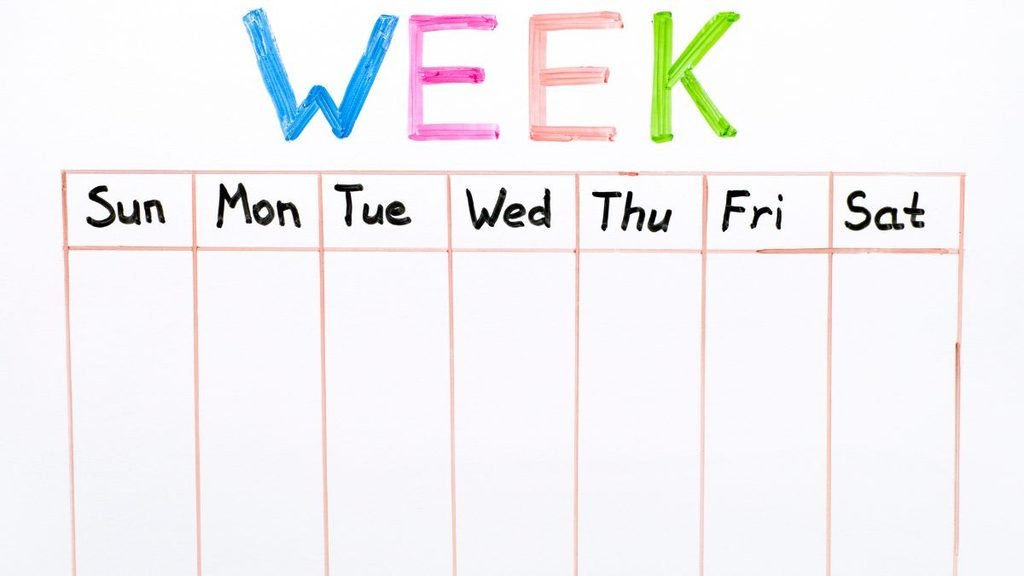
Working life often comes with automatic anchors. There may be a Monday meeting, Wednesday deadline, Friday lunch, or daily commute separating one day from another.
Austin recreated only a small amount of that structure. Monday morning became a walking group, Wednesday afternoon became a class, and Friday became a volunteer commitment.
The exact days were not important. What mattered was having several activities that happened regularly instead of depending entirely on morning motivation.
3. Regular Destinations Created Reasons to Leave Home

Austin had been waiting until he needed something before going out. Groceries, pharmacy trips, medical appointments, and errands had become most of his reasons to leave home.
That changed when he added destinations that were not chores. A library, park, community center, coffee shop, recreation class, museum, faith community, workshop, or volunteer site can make the outside world part of an ordinary week again.
For someone with mobility or transportation barriers, the solution may look different. The Administration for Community Living’s Eldercare Locator can help connect older adults and families with local aging services, including transportation resources where available.
4. Movement Became a Scheduled Part of the Week
Austin did not decide retirement needed to turn him into an athlete. He simply stopped allowing movement to depend entirely on whether he happened to feel energetic that day.
Current CDC guidance says adults age 65 and older generally should include aerobic activity, muscle-strengthening activity, and balance activities during the week. The general aerobic target is at least 150 minutes of moderate-intensity activity per week, although activity should be matched to health, mobility, and ability.
That could include walking, swimming, cycling, gardening, resistance exercises, fitness classes, or another suitable activity. Someone with medical limitations should discuss an appropriate level of activity with a health professional rather than copying another person’s routine.
Which Activity Solves Which Problem?
A satisfying retirement week usually needs variety. One activity does not have to provide exercise, friendship, creativity, responsibility, and purpose all at once.
| Activity | Structure | Social contact | Challenge | Contribution |
|---|---|---|---|---|
| Solo walking | Medium | Low | Low to medium | Low |
| Group exercise | High | Medium | Medium | Low |
| Skills class | High | Medium | High | Low |
| Volunteer shift | High | High | Medium | High |
| Personal project | Medium | Low | High | Medium |
| Regular family help | High | High | Medium | High |
Austin stopped asking whether an activity was simply a “good hobby.” Instead, he began asking what the activity added to the week that was currently missing.
That small shift made activity choices more useful. It also reduced the pressure to constantly search for new entertainment.
5. Recurring Plans Replaced “We Should Get Together”

Austin had friends. That did not automatically mean he saw them often.
The National Institute on Aging makes an important distinction between loneliness and social isolation. Loneliness refers to the distressing feeling of being alone or separated, while social isolation means having relatively few social contacts or interactions.
Someone can live alone without feeling lonely. Another person can have regular contact with others and still feel emotionally disconnected.
Austin made some social contact recurring instead of accidental. A weekly breakfast, Tuesday phone call, monthly dinner, card group, walking partner, or standing family visit required less effort than repeatedly arranging something from scratch.
6. Becoming a Beginner Brought Challenge Back

Retirement gave Austin freedom from deadlines, but it also removed many situations in which he had to improve. That was comfortable for a while, yet eventually comfort started feeling like sameness.
Austin chose one activity where progress could be seen. It might be a language, photography, woodworking, music, cooking, computer skills, gardening techniques, or another subject that genuinely interested him.
Being inexperienced again created something retirement had been missing: anticipation. There was now a reason to practice today because next month’s Austin could do something today’s Austin could not.
7. Passive Hobbies Turned Into Projects

Reading can be enjoyable. Reading several books on one subject, taking notes, and discussing them with a group creates a project.
Gardening can be relaxing. Designing one garden bed, tracking what grows, learning a new technique, and sharing produce creates progression and a visible result.
Austin began giving some activities a finish line. The goal was not productivity for its own sake but the satisfaction of seeing something change because he kept showing up.
A project can last one afternoon or six months. What matters is that it creates momentum rather than simply consuming time.
8. Responsibility Brought Back the Feeling of Being Needed
This became one of the bigger changes. Austin realized that many retirement activities were optional in a way that work rarely had been.
If he skipped television, golf, reading, or a drive, nobody cared. That freedom was pleasant, but Austin also missed knowing that someone expected him to show up.
Responsibility can be modest. It might mean helping run part of a club, working at a community garden, tutoring, maintaining a nonprofit website, preparing materials for a group, or regularly helping with an agreed family task.
The important word is choice. Retirees should not be pressured into unpaid caregiving or community responsibilities simply because other people assume they have unlimited free time.
9. Structured Volunteering Added Purpose Without Taking Over

Volunteering is often recommended casually, but the research deserves some nuance. A 2026 systematic review in The Gerontologist examined 182 papers and found that studies largely reported benefits across biological, psychological, and social outcomes.
The researchers also noted limitations, including relatively limited randomized-trial evidence and the possibility that burdens or negative experiences may receive less attention. Volunteering can therefore be rewarding without being treated as a guaranteed solution for everyone.
AmeriCorps Seniors RSVP currently connects adults age 55 and older with community service opportunities. Participants can choose where and how often they serve, which allows commitments to range from occasional service to much more regular involvement.
Austin’s useful change was choosing a defined responsibility instead of vaguely deciding he should volunteer somewhere. Knowing the role, hours, people, and expectations made the commitment feel real.
Austin’s Social Commitment Ladder
Not everyone wants a busy social calendar. Austin used a simple ladder so he could increase connection without turning retirement into another exhausting schedule.
| Commitment level | Example | Best for |
|---|---|---|
| Very light | One weekly phone or video call | Rebuilding contact gradually |
| Light | Coffee or walking partner | Regular one-to-one interaction |
| Moderate | Weekly class or club | Contact plus shared interest |
| Structured | Volunteer shift | Contact plus responsibility |
| Higher | Committee, mentoring, part-time role | People wanting deeper involvement |
The best level is the one a person can realistically maintain. More contact is not automatically better if the commitments become stressful or crowd out needed rest.
Austin also learned that consistency mattered more than quantity. One dependable weekly connection could feel more meaningful than several vague plans that rarely happened.
10. Intergenerational Connections Broadened the Social Circle

Austin’s circle had gradually become people in roughly the same stage of life. He liked them, but many shared similar schedules, concerns, and experiences.
Mentoring, tutoring, teaching a skill, volunteering at a school or library, joining a community project, or spending intentional time with younger relatives or neighbors can widen the range of conversations in a week.
This should not turn into the idea that older adults exist mainly to dispense wisdom. Intergenerational connection works best when curiosity and learning move in both directions.
Austin could share experience in one conversation and learn something completely unfamiliar in the next. That variety made his social world feel broader.
11. Paid Work Returned on Different Terms

Retirement does not require permanent separation from paid work. Some retirees genuinely enjoy consulting, seasonal work, teaching, mentoring, freelancing, operating a small business, or taking a limited-hours job.
Austin’s hypothetical goal was not to rebuild the career he had left. He wanted to recover particular parts he missed, such as problem-solving, professional conversation, deadlines, or being useful to customers.
A small amount of paid work may provide structure and extra income. It can also become stressful if the schedule expands until retirement begins to resemble the working life someone intentionally left.
Anyone receiving Social Security or income-based benefits should check current program rules before making a financial decision. Earnings can affect some benefits depending on age, benefit type, income, and individual circumstances.
12. A Change of Setting Made Familiar Activities Feel Different
Sometimes the problem was not what Austin was doing. It was where he was doing it.
Reading at home every afternoon began to feel repetitive. Reading at the library once a week, taking a walk beforehand, and seeing familiar faces changed the experience without requiring an entirely new hobby.
The same principle can apply to writing, puzzles, laptop work, exercise, meals, or phone calls. Changing the setting can add movement and incidental social contact to something a retiree already enjoys.
This can also be inexpensive. A park, library, community center, walking trail, or friend’s porch may provide enough change without turning retirement into a constant spending project.
13. Television Stopped Becoming the Automatic Evening Plan

Television was not the enemy in Austin’s hypothetical retirement. The problem was allowing it to become the automatic answer whenever nothing else had been planned.
BLS data show Americans age 65 and older averaged 4.30 hours of television viewing per day in 2025. That figure describes an age group rather than retirees specifically, and averages do not describe every individual’s habits.
Austin did not impose a dramatic screen ban. He simply decided what he wanted to watch before turning the television on and protected certain evenings for other activities.
That change turned television back into entertainment. It no longer had to provide the default structure for every quiet evening.
14. Practical Barriers Stopped Looking Like “Lack of Motivation”

A person may say, “Nothing interests me,” when the real obstacle is transportation, cost, hearing difficulty, mobility, fatigue, inconvenient timing, or the stress of entering an unfamiliar group.
Austin started examining those barriers instead of blaming himself. He chose daytime activities, shorter commitments, closer locations, smaller groups, and online options when those genuinely worked better.
Someone who no longer drives, for example, may need to solve transportation before joining a weekly activity. Local aging services, public transit programs, volunteer transportation, paratransit, and community organizations may provide options depending on location and eligibility.
The Administration for Community Living’s Eldercare Locator can help people identify local Area Agencies on Aging and related community resources. Available services differ by state, county, and community.
15. Weekly Reviews Replaced Judging Retirement as a Whole

The final change was simple. Austin stopped asking one enormous question: “Am I happy in retirement?”
That question was too broad to answer usefully. Austin instead asked which part of the previous week gave him energy, which commitment he dreaded, when time passed quickly, and when a day felt unusually long.
Every few weeks, Austin kept what was working and changed what was not. Retirement became an ongoing experiment rather than a verdict about whether he had somehow succeeded or failed.
That approach also gave him permission to change again later. What works during the first year of retirement may not be what someone wants five or ten years later.
When “I’m Just Bored” May Deserve More Attention
Boredom itself is not a diagnosis. People can feel restless, under-stimulated, lonely, or dissatisfied without having a mental health disorder.
Persistent loss of interest deserves more attention, especially when it comes with ongoing sadness, hopelessness, sleep or appetite changes, difficulty concentrating, unusual fatigue, withdrawal, or trouble completing normal activities.
NIMH identifies loss of interest or pleasure as one symptom clinicians consider when evaluating depression. Someone experiencing persistent or significant changes should consider talking with a health professional rather than assuming another hobby will solve the problem.
| Situation | Reasonable next step |
|---|---|
| Days feel repetitive, but enjoyable activities still feel enjoyable | Experiment with structure and new commitments |
| Social contact has gradually disappeared | Rebuild regular contact at a comfortable pace |
| Nothing feels interesting anymore | Consider discussing the change with a health professional |
| Sleep, appetite, concentration, mood, or daily functioning have changed significantly | Seek professional guidance rather than assuming simple boredom |
| Thoughts of self-harm or suicide occur | Call or text 988 in the U.S. for immediate crisis support |
The purpose of this distinction is not to medicalize an ordinary retirement transition. It is to avoid assuming that every persistent change in mood, interest, or functioning can be solved by joining another club.
Austin’s Four-Week Retirement Reset
Austin did not attempt all 15 changes on Monday morning. That would simply have replaced boredom with exhaustion.
A more realistic experiment is four weeks. Each week adds one layer, making it easier to see which change actually improves ordinary days.
| Week | Change to test | What to watch |
|---|---|---|
| Week 1 | Add two fixed weekly anchors | Do the days feel more distinct? |
| Week 2 | Add one recurring social contact | Is there more anticipation? |
| Week 3 | Add one challenging project or class | Does progress feel satisfying? |
| Week 4 | Add one contribution or responsibility | Does being needed change the week? |
After four weeks, the goal is not to keep everything. A retiree can drop the activity that feels like another obligation and keep the one that makes Wednesday worth looking forward to.
The experiment can then be repeated with another missing area. Small adjustments are easier to maintain than trying to design an entirely new retirement lifestyle in one weekend.

Denis Short is a Senior Living writer focused on helping older adults enjoy a safer, more comfortable, and more independent life. He covers aging at home, downsizing, home organization, everyday wellness, senior-friendly design, lifestyle choices, and practical ways to make daily routines easier.
Denis brings a warm, realistic perspective to later-life living, offering clear advice and useful ideas that help seniors and their families create homes, habits, and plans that support confidence, comfort, and independence.